
Best chisel set for wood carving shopping gets confusing fast, because “chisel” can mean a bench chisel for joinery, a short palm tool for detail work, or a full carving kit that includes gouges and V-tools.
If you buy the wrong type, you either fight the tool on every cut, or you end up with a set that looks complete but still can’t do the cuts you actually want.
This guide focuses on how to choose a set that matches your carving style, what to look for in steel and handles, which sizes matter, and what accessories make a real difference when you’re trying to keep edges sharp.
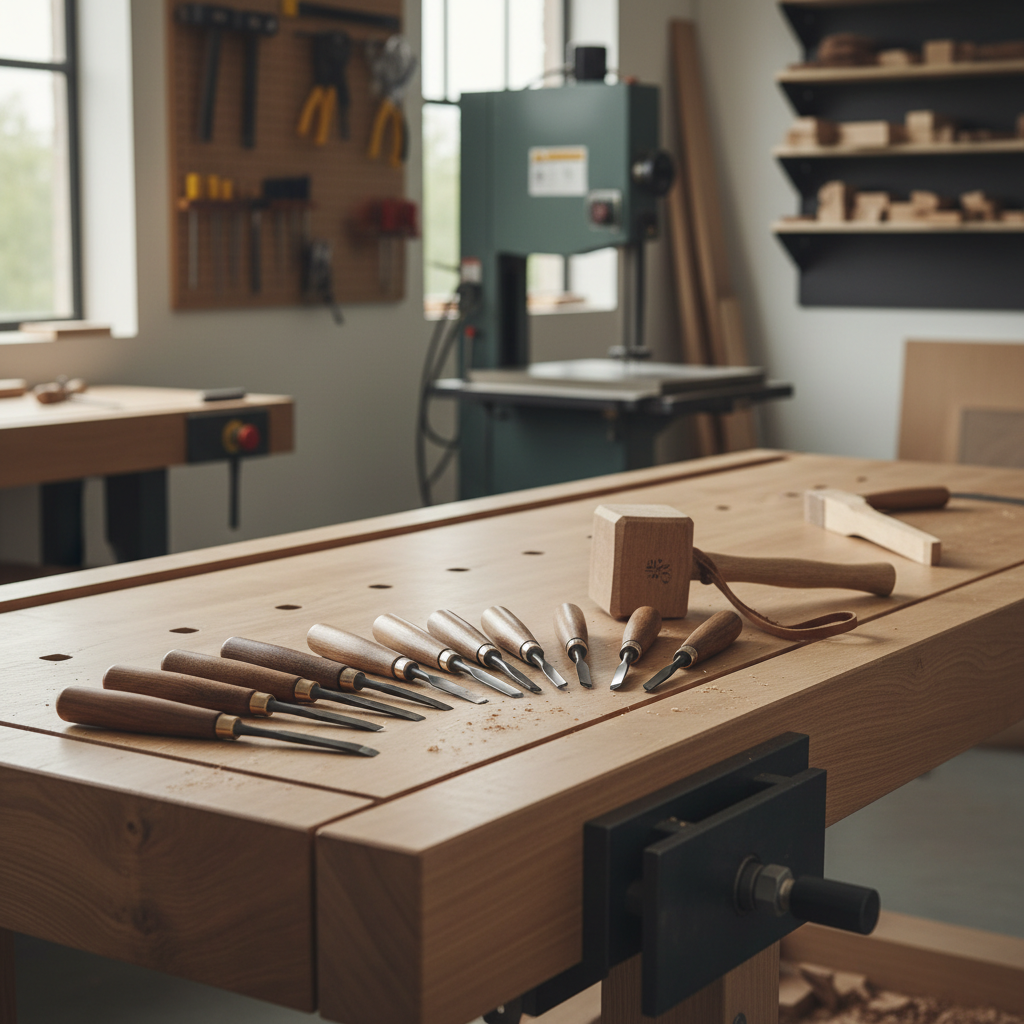
What “chisel set for wood carving” really means (and why it matters)
A lot of sets marketed for carving are really wood chisels meant for furniture work, they can still carve, but they shine when you’re paring end grain or cleaning up joints. True carving sets usually include at least one gouge and often a V-tool.
Here’s the practical breakdown most people end up using:
- Bench chisels: longer blades, can take mallet taps, good control on flat work and joinery, “carving” feels possible but not always comfortable for fine detail.
- Palm carving tools: short tools with bulb handles you push by hand, better for small figures, spoons, relief details, and long sessions without wrist fatigue.
- Full carving sets (gouges + V-tool + straight chisels): best coverage for relief and sculptural carving, usually needs more sharpening know-how.
So before you chase the “best” set, decide what you’re carving, because the ideal kit for chip carving is not the same kit for relief panels or bowls.
Quick comparison table: what to prioritize by carving style
If you want one fast way to narrow choices, use this table like a filter. It’s not about brand names, it’s about the tool geometry you’ll reach for most.
| Carving style | Tool types you’ll use most | “Good set” minimum | Common mismatch to avoid |
|---|---|---|---|
| Whittling (figures) | Palm tools, small straight chisels, detail knife | 3–6 palm tools + strop | Buying long bench chisels that feel clumsy in-hand |
| Relief carving | Gouges (varied sweeps), V-tool, fishtail tools | 8–12 tools incl. V-tool | Sets with only straight chisels and no V-tool |
| Spoon/kuksa carving | Hook knife + gouge, sometimes a small chisel | Not really a chisel set | Overpaying for a big kit instead of a hook knife + strop |
| Joinery + light shaping | Bench chisels, mallet, sharpening stones | 4–6 bench chisels | Buying delicate palm tools that can’t take mallet work |
What makes a set “best” in real use (steel, grind, handle, and consistency)
Most frustration comes from two things: edges that won’t stay sharp, and handles that hurt after 20 minutes. A best chisel set for wood carving usually gets the basics right, even if it isn’t flashy.
Steel and heat treatment (edge holding)
Steel type matters, but heat treatment and quality control matter more. Many reputable sets use high-carbon steel or tool steels that sharpen cleanly. If the set feels like it dulls immediately, the culprit is often poor tempering or a thick factory bevel that needs reworking.
According to Woodcraft (their sharpening and tool selection resources), consistent sharpening and correct bevel angles are central to edge performance, which is a polite way of saying even great steel will feel bad if the geometry is wrong.
Bevel geometry (how the tool “enters” the wood)
- Thinner, lower-angle bevel: slices easier for hand carving, but can chip if you pry or hit knots.
- Steeper bevel: stronger edge for tougher woods, needs more force and may crush fibers if too steep.
If a set arrives “sharp,” treat that as a starting point, not a finish line. Most new tools benefit from a quick honing routine to match your wood species and cutting style.
Handle comfort and control
Carving is a control sport. Handles that are too slick, too skinny, or oddly shaped often cause grip death-spiral, you squeeze harder, you get tired, your cuts get worse. Look for palm-friendly contours, and if you plan to tap with a mallet, make sure the handle design supports that use.
A simple checklist to choose the right set (before you spend money)
Use this quick self-check. You’ll know which aisle to stand in, and which “complete sets” you should ignore.
- Project scale: tiny figures and details point to palm tools, larger relief panels point to gouges with different sweeps.
- Cutting method: mostly push cuts by hand, or you plan to use a mallet for deeper removal.
- Wood type: basswood feels forgiving, hardwoods tend to punish dull edges and weak bevels.
- Sharpening patience: carving sets with many gouges ask more from your sharpening setup than straight chisels.
- Storage: roll-up canvas is fine, hard case protects edges better if you travel or share space.
- Duplicates: avoid sets where half the tools look nearly identical, you pay for “count,” not capability.
If you check “I want to carve relief” and “I don’t want to learn sharpening yet,” you don’t need a massive kit, you need a smaller kit plus a sharpening plan that feels realistic.
Recommended set “profiles” (pick a lane, then shop within it)
Instead of pretending there’s one universal winner, here are profiles that usually map to real buyers in the U.S. market. Once you pick the profile, you can compare sets within that category with fewer regrets.
1) Starter relief carving kit (most versatile)
- 8–12 tools
- Includes V-tool and at least 4 gouge sweeps
- Comfortable palm handles (or longer handles if you prefer two-hand guidance)
Why it works: it covers outlining, background removal, and shaping without forcing you into specialty tools too early.
2) Whittling-focused set (small tools, high control)
- 3–6 palm tools focused on small straight chisels and shallow gouges
- Optional detail knife, depending on your style
- Prioritizes edge feel and handle ergonomics over “tool count”
Why it works: you’re not paying for big gouges you won’t use on a 2-inch figure.
3) Bench chisel set for woodworkers who also carve
- 4–6 bench chisels, common sizes
- Durable handles suitable for mallet work
- Pairs well with stones and a strop
Why it works: if your “carving” is chamfers, light shaping, and cleanup, bench chisels make sense, and they stay useful even if you later buy dedicated carving tools.
Sharpening and setup: the part most sets don’t solve for you
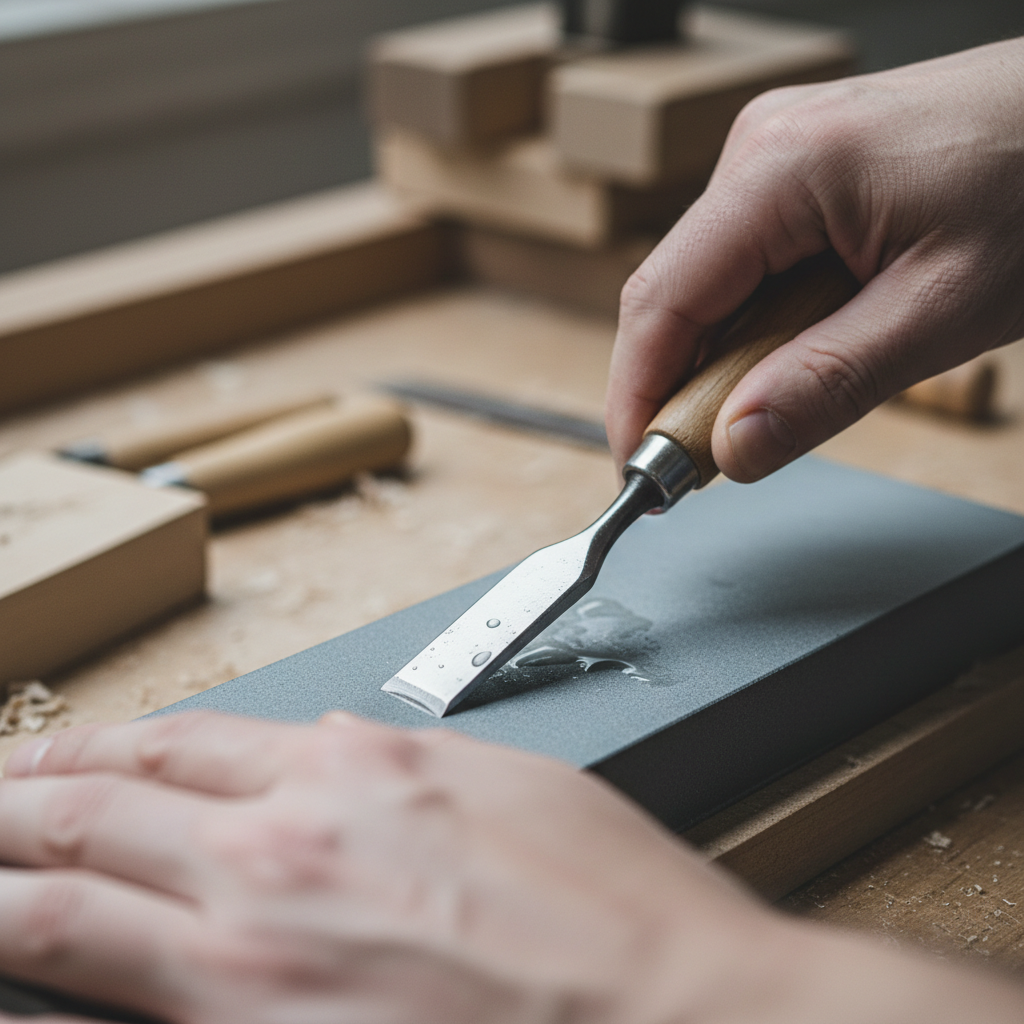
Even the best chisel set for wood carving feels disappointing if your sharpening kit is missing one key piece: a way to maintain edges often, quickly, and without drama.
A realistic starter sharpening setup
- Strop + compound: fast touch-ups between cuts, especially on basswood and similar carving woods.
- One medium stone (or diamond plate): for restoring bite when stropping stops working.
- One fine stone: refines the edge for cleaner cuts and less tearing.
According to Fine Woodworking, sharp tools are central to safe, controlled cutting, and that lines up with what you feel at the bench: dull edges push you into using more force, and force is where slips happen.
Safety notes that are actually useful
- Carve with the work secured when possible, a bench hook or vise reduces surprise movement.
- Wear cut-resistant gloves if you’re new or working close to your holding hand, many people find it helps, but comfort and fit matter.
- If you have numbness, tingling, or persistent wrist pain, it may be smart to consult a medical professional, especially if you carve for long sessions.

Buying tips for 2026: how to spot value without overbuying
Tool marketing loves big numbers. Your hands prefer fewer tools that behave predictably.
- Pay for consistency: a smaller set where every tool sharpens similarly beats a big set with “mystery steel.”
- Check the grind: uneven bevels and rough backs are fixable, but they add time and frustration.
- Look for usable sizes: mid-size straight chisels and medium gouges get used constantly, ultra-wide tools and ultra-tiny profiles tend to be niche.
- Don’t ignore the case: edge protection matters, one chipped tool can sour the whole set.
- Budget for sharpening: if your set doesn’t include stropping supplies, assume you’ll add them.
Key takeaways you can keep in mind while browsing listings:
- Match the set to the carving style, not to the photo of “everything included.”
- A V-tool is a deal-breaker for many relief projects.
- Comfort counts, especially for beginners who tense up without noticing.
- Sharpening is part of the purchase, whether the listing mentions it or not.
Conclusion: the right set is the one you’ll actually keep sharp
The “best” choice usually isn’t the biggest kit, it’s the one that matches your projects, fits your grip, and sharpens without a fight. If you’re buying for relief carving, prioritize a V-tool and a few gouge sweeps you can learn well; if you’re mostly doing joinery and light shaping, a solid bench chisel set plus a simple sharpening routine makes more sense.
If you want to take one action today, pick your carving style, then use the checklist above to eliminate mismatched sets before you compare prices and tool counts.