
Best random orbital sander for wood choices usually come down to three things you feel immediately in the shop: how smooth it finishes, how much dust it actually captures, and whether your hand goes numb after ten minutes.
If you have ever sanded a tabletop that looked perfect, then watched swirl marks appear under stain, you already know why people obsess over random orbitals, the tool can save a project or quietly ruin it. The good news is you do not need the most expensive model, you need the right size, stroke, and dust setup for the way you work.
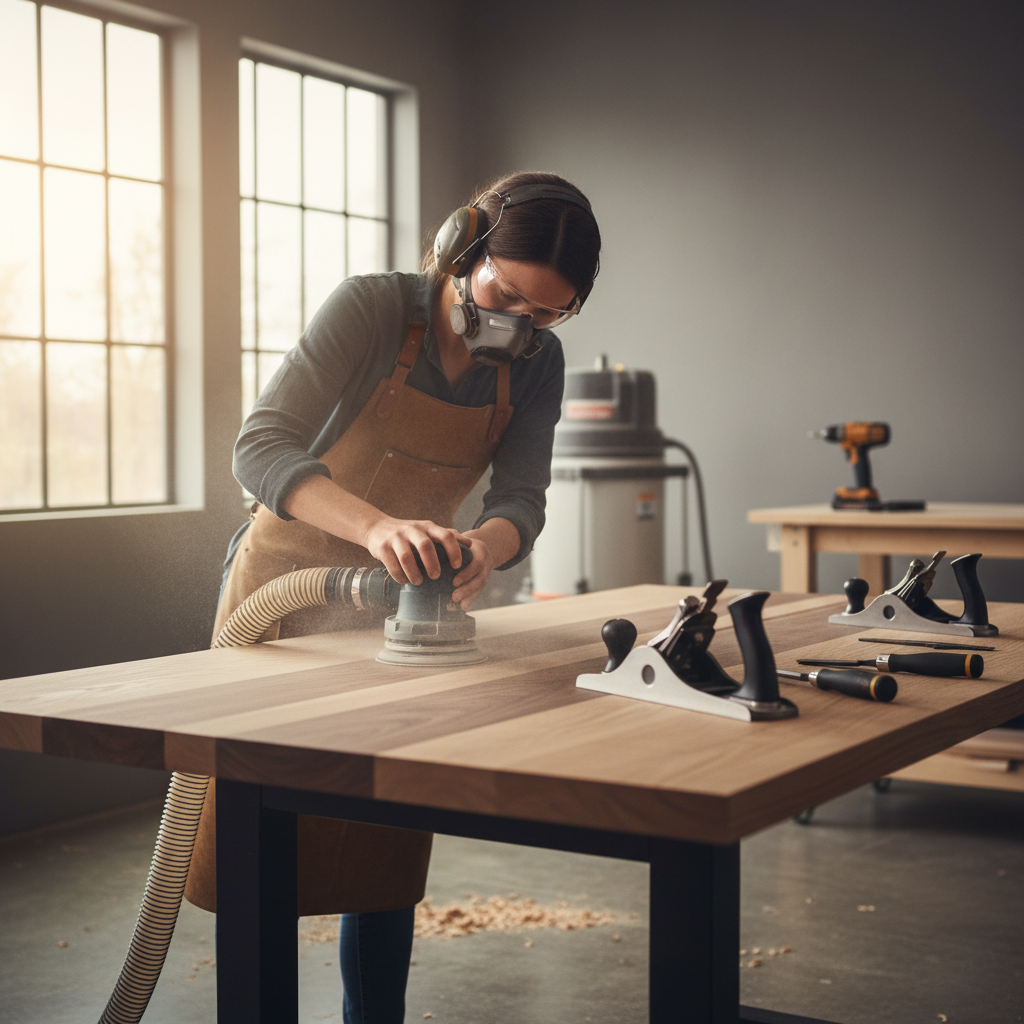
This guide helps you pick confidently for 2026 without getting lost in spec sheets. You will see what matters for furniture work versus framing lumber, how to match grit steps, and where “features” often turn into dead weight.
What “best” really means for wood sanding
A random orbital sander spins and oscillates at the same time, which reduces visible scratch patterns compared with a basic palm sander. On wood, “best” usually means you can remove material when needed, then shift to finish sanding without fighting the tool.
- Finish quality: fewer pigtails and swirls, especially on softwoods and blotchy hardwoods.
- Control: stable pad, predictable braking, low vibration so you do not tip and gouge edges.
- Dust control: real extraction through the pad, not just a token bag that clogs.
- Usability: comfort, weight balance, switch placement, and how easy it is to change discs.
According to OSHA, wood dust can pose health risks, so dust capture is not just “cleaner shop” marketing, it is a practical safety feature and sometimes a compliance issue in professional settings.
Key specs to compare (and what they mean in real life)
Most spec lists look similar, yet they behave differently on wood. Here is what I would actually compare before you read a single review.
Pad size: 5-inch vs 6-inch
- 5-inch: more nimble for cabinet parts, chair components, trim, and edge work. Discs cost less and are easier to find.
- 6-inch: faster coverage for tabletops, doors, panels, and epoxy flood coats, usually better for staying flat on wide surfaces.
If your projects are mostly furniture panels or live-edge slabs, a 6-inch model often feels like time back in your day. If you do a lot of small parts, 5-inch stays less awkward.
Orbit size (stroke): about 2.5mm, 3mm, 5mm
- Smaller stroke (around 2.5–3mm): cleaner final finish sanding, less likely to leave visible patterns.
- Larger stroke (around 5mm): faster stock removal, more aggressive leveling, but can be harder to “finish out” on some woods.
For many people, the sweet spot is a general-purpose 5-inch with a moderate stroke, then you control aggressiveness with grit and pressure. But if you do a lot of finishing, a dedicated fine-stroke sander can feel calmer and more predictable.
Power, speed control, and pad braking
Higher OPM (oscillations per minute) is not automatically better. The tool needs enough torque to keep moving under light pressure, and speed control that actually changes behavior rather than just noise. A good pad brake helps avoid “runaway” spinning that can cause swirls when you lift off or hit an edge.
Dust collection: bag vs vacuum vs extractor
On paper, almost every unit includes a bag, in practice, bags work only for quick touch-ups. For consistent results, you want a good vacuum connection and a pad designed for extraction.
- Shop vac: decent for many garages, but can be loud and may need a better filter for fine dust.
- Dust extractor: steadier airflow, often better filtration, usually less annoying to use daily.
According to EPA, fine particulate matter can affect indoor air quality, so if you sand inside a closed garage or basement, upgrading extraction and filtration tends to pay off beyond just cleanup.
Quick comparison table: choose by project type
Instead of naming a single “winner,” it is more useful to match the tool class to what you build and how you sand.
| Use case | Recommended setup | Why it fits | Watch-outs |
|---|---|---|---|
| Furniture, cabinets, hardwood finishing | 5-inch, smaller-to-medium stroke, strong dust collection | Better control, cleaner final passes | Can feel slower on big tabletops |
| Tabletops, doors, large panels | 6-inch, medium stroke, vacuum/extractor | Covers area faster, stays flatter | Heavier, clumsier on small parts |
| Paint removal, rough lumber, flattening filler | 5-inch or 6-inch, larger stroke, speed control | Removes material quicker | Higher risk of visible sanding marks |
| Occasional DIY, small repairs | 5-inch, basic speed control, decent bag or vac port | Lower cost, flexible | More vibration, weaker dust capture common |
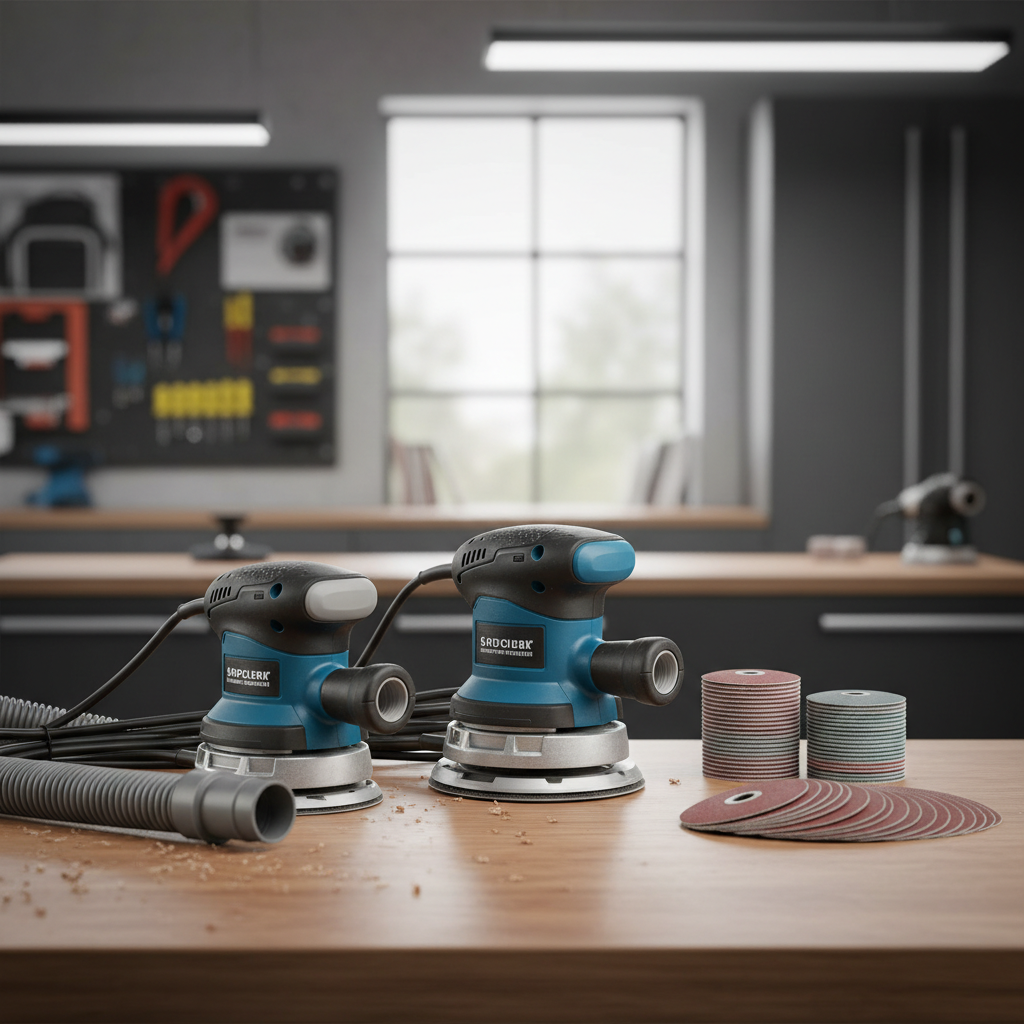
Self-check: which sander type fits you best?
If you want the best random orbital sander for wood for your shop, be honest about your bottleneck. Most people are not limited by power, they are limited by control, dust, and workflow.
- You sand for long sessions: prioritize low vibration, good grip shape, and balanced weight.
- You care about stain-ready surfaces: prioritize pad brake behavior, smoother bearings, and consistent speed control.
- You work indoors or in a small garage: prioritize extraction, better pad hole alignment, and easy vacuum hookup.
- You do big flat panels weekly: consider 6-inch to cut time, and a pad that stays flat without “digging.”
- You jump between rough removal and finish sanding: consider a variable-speed model, or two sanders with different strokes.
If two or more bullets hit home, you already have your buying criteria. That is the part that makes reviews useful instead of overwhelming.
Practical buying checklist for 2026 (what I would not skip)
This is the stuff that tends to matter after the honeymoon period.
- Speed range you will actually use: lower speeds help on veneers, edges, and between coats.
- Disc change system: hook-and-loop should hold tight, but still release without tearing pads.
- Pad options: availability of replacement pads, soft interface pads for curves, and common hole patterns.
- Noise and vibration: if possible, test in-store, your hands will tell you faster than specs.
- Dust port fit: check if it needs proprietary adapters, this is a common annoyance.
- Warranty and parts: not glamorous, but pad and bearing wear is real with wood dust.
Battery models can be great for jobsite sanding or quick punch-list work, but for long sessions on wood, corded tools often feel steadier and lighter for the same output. That varies by brand and battery ecosystem, so treat it as a workflow decision rather than a trend.
How to get a better finish with the sander you buy
Even the best random orbital sander for wood will leave marks if your process fights the tool. These steps look basic, but they are where most sanding results are won.
Use a smarter grit progression
- Start only as coarse as you need. If the surface is already fairly flat, skipping the “too coarse” step reduces deep scratches you must chase later.
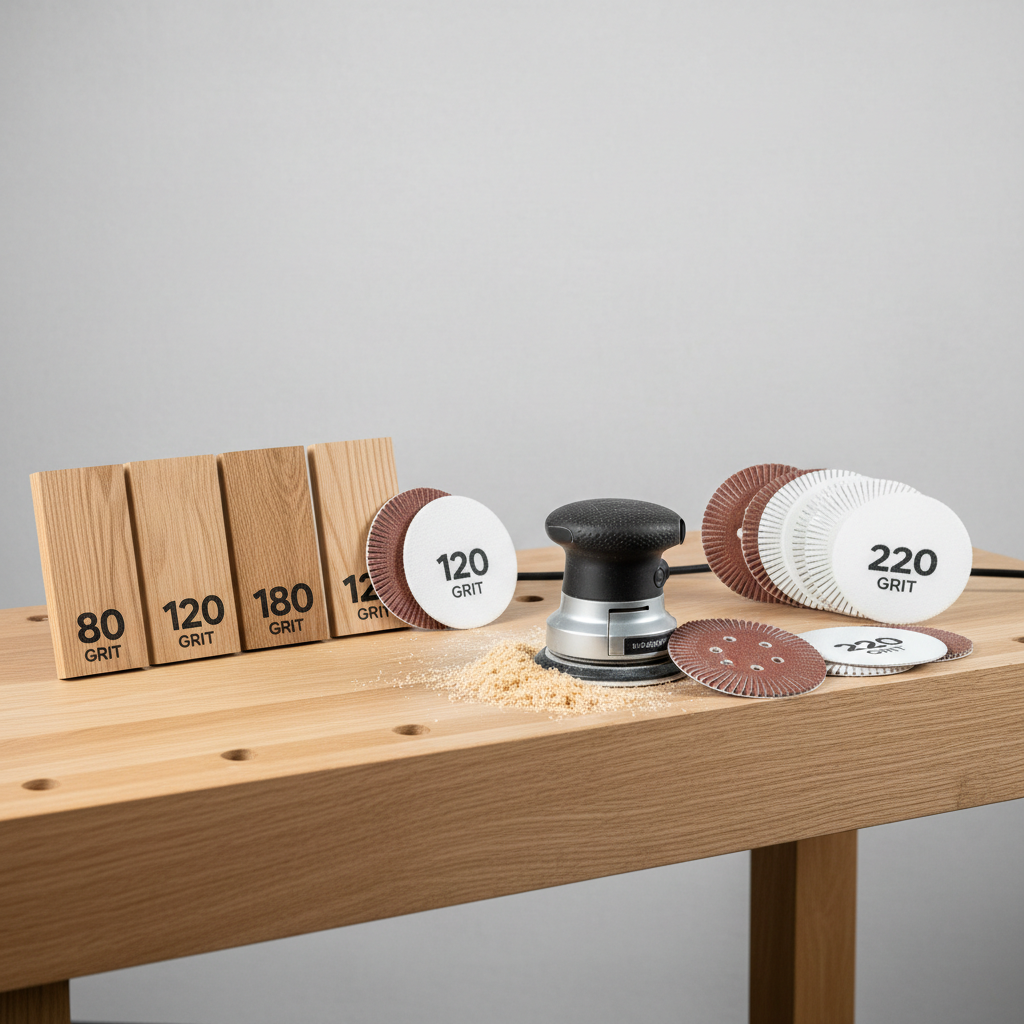
- Common progressions for hardwood furniture: 80 → 120 → 180, then decide if 220 makes sense for your finish.
- For softwood, 220 can sometimes burnish fibers and reduce stain absorption, many situations stop at 180.
Test on offcuts when you can, because wood species, finish type, and even sanding disc brand can change how the surface behaves.
Let the sander float, do not force it
- Pressure: light, steady pressure usually cuts faster than “leaning in,” which stalls the orbit and creates swirls.
- Movement: slow passes with overlap, rushing creates inconsistent scratch depth.
- Edges: ease up near edges to avoid rounding, or finish edges by hand after flattening faces.
Keep discs fresh and matched to the dust system
Loaded discs act like they are finer grit while still scratching like coarser grit, which feels confusing until you see it under light. If dust holes do not align, extraction drops and clogging accelerates, so match discs to the pad pattern.
Mistakes that make people think their sander is “bad”
A lot of returns and bad reviews come from avoidable setup issues, not defective tools.
- Skipping grits too aggressively: jumping 80 → 220 can leave 80-grit scratches that show after finish.
- Sanding across glue squeeze-out: glue smears can seal pores, stain then turns patchy, scrape glue first.
- Over-sanding veneer: random orbitals remove material faster than you think, use lower speed and lighter pressure.
- Using worn pads: a soft, damaged pad can create uneven contact and “mystery” swirl marks.
- Bad lighting: you do not see defects until finish time, a raking light during sanding changes everything.
One more that sounds small: mixing disc brands within the same grit can shift scratch pattern and cutting rate, it is not wrong, it just makes results harder to predict.
When it’s worth getting professional help (or at least a second opinion)
If you are refinishing antiques, working with unknown coatings, or removing old paint, consider talking with a local finishing supplier or a restoration pro. Some older finishes and paints may contain hazardous materials, and dust control plus proper PPE becomes more than “nice to have.”
For health concerns such as asthma or persistent irritation from fine dust exposure, it is reasonable to consult a medical professional and improve ventilation and filtration rather than trying to power through.
Conclusion: picking the right sander without overthinking it
The “best” choice in 2026 is the one that matches your wood projects, your tolerance for vibration, and your dust setup, not the one with the longest feature list. If you mainly build furniture and want clean stain-ready surfaces, lean toward a controlled 5-inch model with strong extraction. If you live on tabletops and big panels, a 6-inch setup with a vacuum or extractor often feels like the most noticeable upgrade.
Next steps: write down your primary project type, pick pad size and stroke to match, then budget for good discs and dust collection, those two often matter as much as the tool itself.
FAQ
What is the best random orbital sander for wood if I only do weekend DIY?
Look for a 5-inch variable-speed sander with decent dust collection and low vibration. For occasional work, comfort and easy disc changes usually matter more than maximum power.
Is a 6-inch random orbital sander better than a 5-inch for wood?
It depends on surface area. Six-inch models shine on big flat panels and tabletops, while five-inch units feel easier on small parts, edges, and tight spaces. Many woodworkers end up with both over time, but you do not need to start there.
Why am I getting swirl marks even with a random orbital sander?
Common causes include too much pressure, a clogged disc, skipping grits, or lifting the sander while it is still spinning fast. Better dust extraction and a lighter touch often fix it quicker than changing tools.
What grit should I stop at before staining wood?
Many projects land at 180 grit, especially on softwoods. Hardwood can sometimes go to 220, but going too fine may reduce stain absorption on certain species, so testing on scrap is the safest call.
Do I need a dust extractor, or is a shop vac enough?
A shop vac can work well if it has a good filter and your hose connection seals properly. A dust extractor is usually nicer for frequent sanding because airflow tends to stay steadier and filtration is often better, but it is a budget and workflow decision.
Are cordless random orbital sanders strong enough for wood?
Many are strong enough for typical sanding tasks, but runtime and weight can be the tradeoff. If you sand large surfaces for long stretches, corded models still make sense for many shops.
How do I sand without rounding edges?
Sand faces flat first, then reduce pressure near edges and avoid tipping the tool. For crisp edges on furniture, hand-sanding the last pass on edges is often the cleanest approach.
If you are trying to choose the best random orbital sander for wood for your exact mix of projects, it can help to list your typical wood species, surface sizes, and whether you already own a vacuum or extractor, that short checklist usually makes the decision much clearer without guesswork.