
Drywall anchor kit heavy choices can feel simple until you hear that first crack, watch a shelf tilt, or realize your “stud finder plan” isn’t happening on this wall. If you’re mounting a TV, large mirror, floating shelf, or a small cabinet, the anchor matters as much as the bracket.
The good news, heavy-duty anchoring isn’t mysterious, but it is picky about details: drywall thickness, the kind of load (straight down vs pulling out), and how well the fastener spreads force behind the wall. Miss one of those and even a “rated” anchor can disappoint in real life.
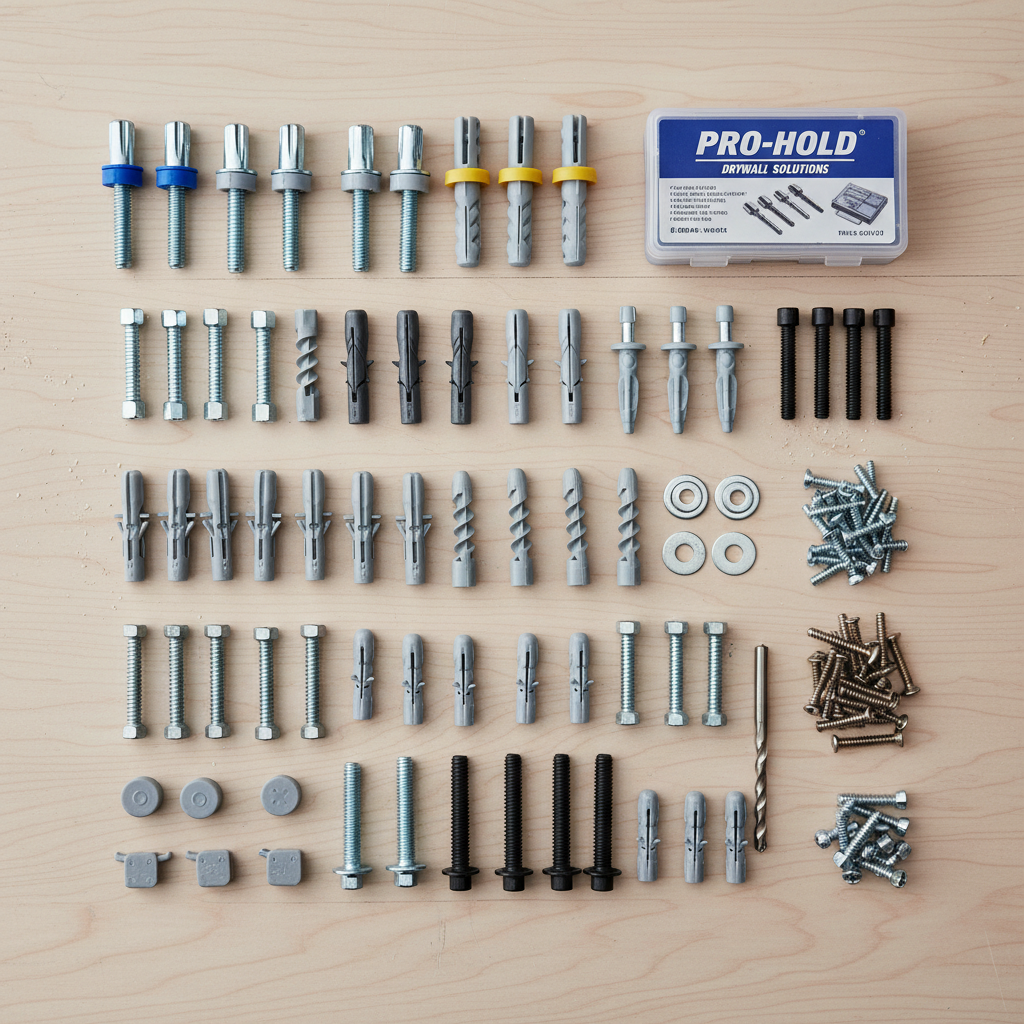
This guide helps you pick a kit that matches what you’re hanging, spot when drywall anchors are the wrong tool, and install cleanly so your mount stays tight. I’ll also call out a few common “looks fine today, fails later” mistakes people make.
What “heavy-duty” really means for drywall anchors
Most anchor packaging advertises a max weight, but that number often assumes ideal conditions: fresh drywall, correct thickness, perfect hole size, and load applied the way the test intended. In homes, you’ll see paint layers, patch repairs, older gypsum, or slightly oversized holes, all of which reduce holding power.
Two quick concepts make the labels easier to interpret:
- Shear load: weight pulling straight down (a mirror hanging flat, a shelf bracket pushing down).
- Tension (pull-out) load: force pulling the fastener outward (a TV mount that articulates, a towel bar yanked, a shelf that gets bumped).
Many “heavy” installs fail from tension, not from pure downward weight. If you’re using an articulating mount or anything that stands off the wall, treat it like a tension-heavy scenario.
Anchor types you’ll actually see in a drywall anchor kit
Most kits mix a few anchor styles. That’s helpful, as long as you know which pieces are for “picture frame” jobs and which pieces belong in the heavy lane.
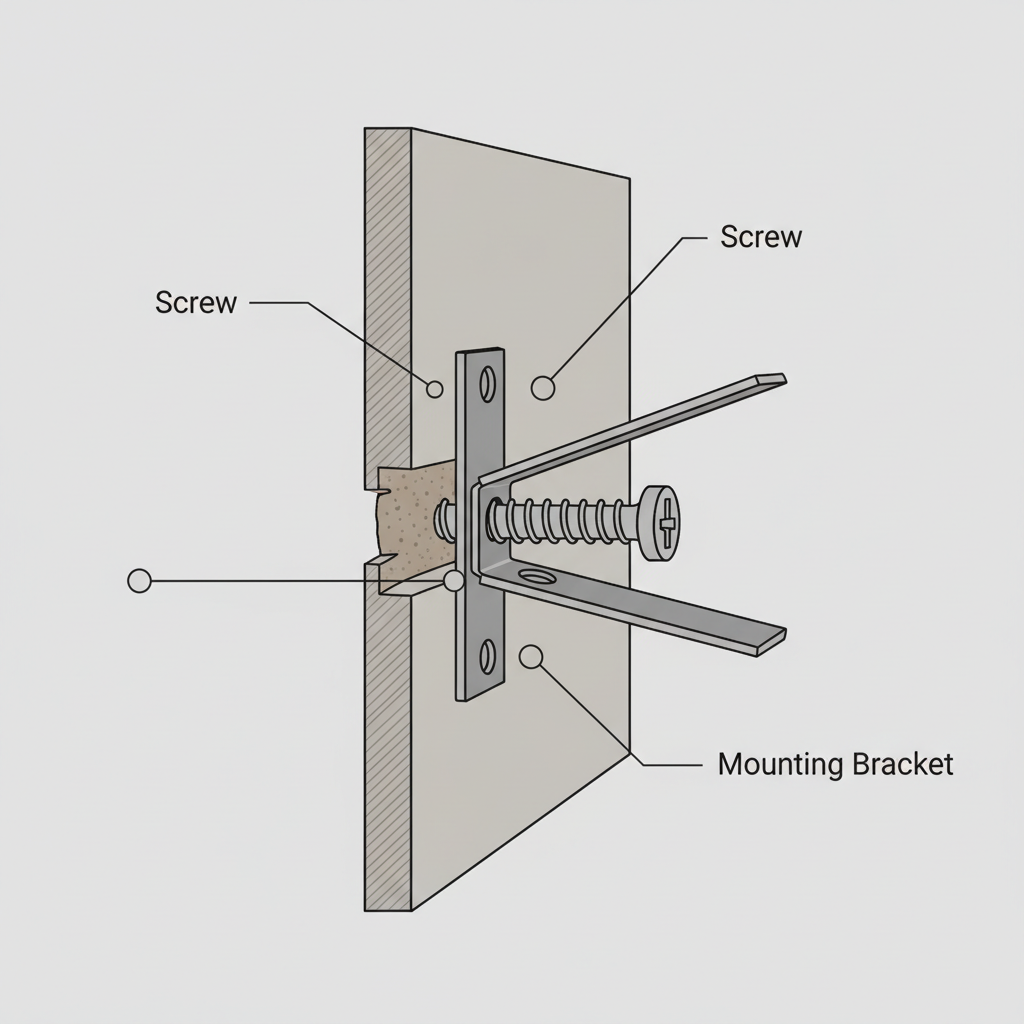
Toggle bolts (spring toggles)
Classic wings that open behind the drywall and spread load over a bigger area. They’re strong when installed correctly, but they require a larger hole, and removal can be annoying because the wings can drop behind the wall.
Strap toggles (toggle straps)
Often easier than spring toggles and more repeatable for DIY. They also spread load well. Many people prefer these for medium-to-heavy mounts because the install feels less fiddly.
Molly bolts (hollow-wall anchors)
Metal sleeves that expand behind drywall. They can be solid for heavier items, but the install is sensitive to hole size and drywall condition. Over-tighten and you can crush the gypsum.
Self-drilling anchors (plastic or metal)
Fast to install and great for lighter-to-medium loads. Some metal versions claim higher ratings, but they’re still relying on the drywall core, so for true heavy or levered loads, toggles usually inspire more confidence.
Quick self-check: which mounting situation are you in?
Before buying another kit, take 60 seconds and classify the job. This prevents the most common mismatch: using a strong-looking anchor for the wrong kind of force.
- Light, flat load: small frames, small décor, smoke detectors.
- Medium, flat load: large framed art, mirrors close to wall, curtain rod brackets.
- Heavy, flat load: big mirrors, wall cabinets (lightly loaded), dense shelves with limited depth.
- Heavy with leverage: articulating TV mounts, fold-down desks, shelves that stick out far, anything that gets pulled or bumped.
Also check the wall itself:
- Drywall thickness is commonly 1/2 inch, sometimes 5/8 inch, but renovations vary.
- If the wall sounds hollow but feels “crumbly” when drilled, treat it as weaker drywall.
- If you suspect plaster over lath, stop and reassess because many drywall anchors are a poor fit.
How to choose a drywall anchor kit heavy enough for your project
When you’re comparing kits, don’t shop only by the biggest number on the box. Shop by anchor type, hardware quality, and whether the kit supports your mounting pattern (hole spacing, screw diameter, screw length).
Here’s a practical selection table you can use while shopping:
| Project type | Typical force profile | Anchor style to favor | Notes that matter |
|---|---|---|---|
| Heavy mirror (flush) | Mostly shear | Strap toggles or molly bolts | Use 2+ anchors, keep mirror tight to wall |
| Floating shelf (deep) | Shear + tension | Strap toggles | Depth increases leverage, avoid “all self-drilling” setups |
| TV mount (fixed) | Shear + some tension | Prefer studs; if not possible, toggles | Bracket must distribute load across multiple fasteners |
| TV mount (full-motion) | High tension | Stud mounting strongly preferred | Drywall-only anchoring is often risky, even with heavy toggles |
Key point: if the bracket has four holes, use all four when you can. Skipping holes concentrates force and makes drywall failure more likely.
Installation steps that prevent “spins,” cracks, and sagging
A drywall anchor kit heavy-rated on paper can still fail because of install details. These steps are boring, but they’re the difference between “solid” and “why is this wiggling.”
1) Locate studs anyway
Even if you plan to use anchors, check for studs. If you can hit a stud on one side of the bracket, you often can mix stud screws with anchors on the other side for a much stronger result.
According to FEMA, anchoring heavy furniture to wall studs helps reduce tip-over risk during earthquakes and other impacts, which is a good reminder that studs are the real structure, drywall is not.
2) Drill the right size hole (don’t “make it fit”)
- For toggles and mollies, drill to the specified diameter, not a guess.
- If the hole becomes oversized, switch to a larger anchor type rather than trying to “tighten harder.”
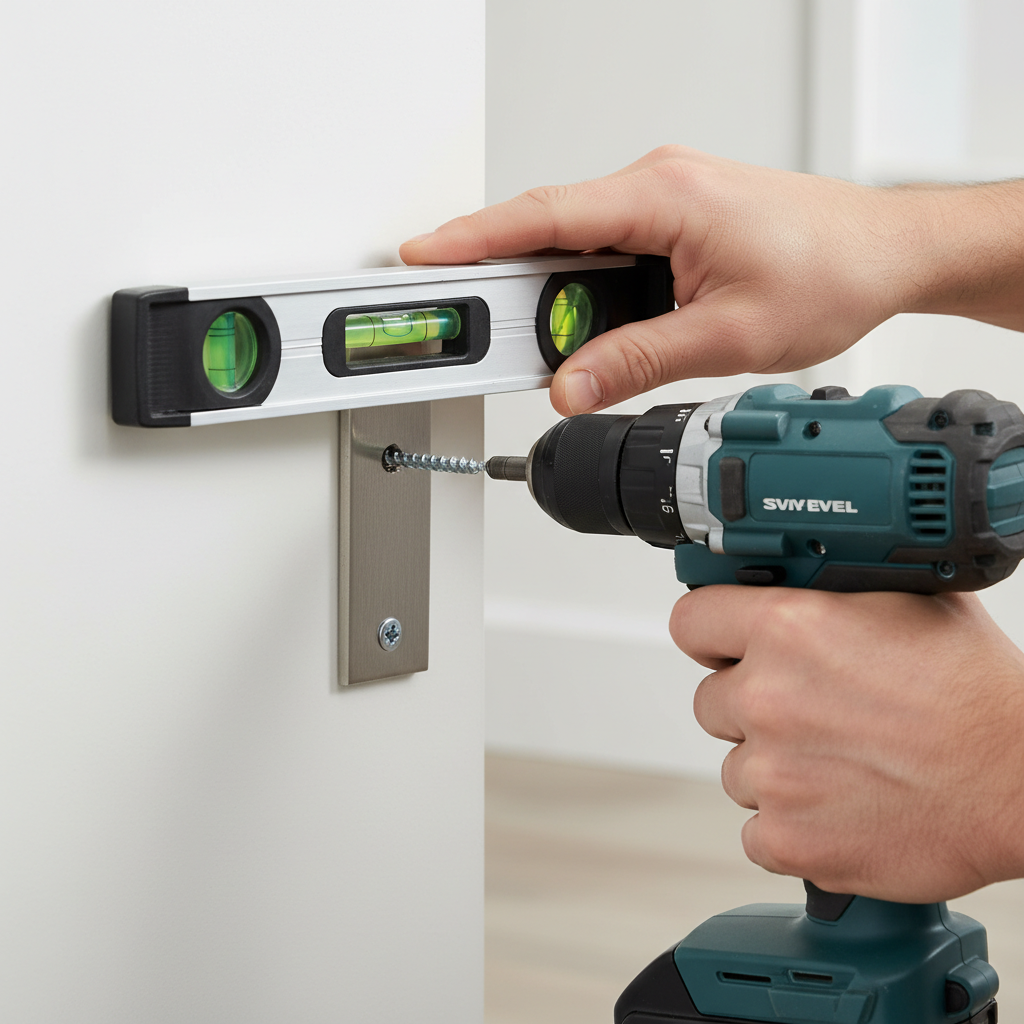
3) Keep the bracket flat and aligned
If the bracket rocks, it creates micro-movement that slowly enlarges holes. Use a level, then snug fasteners evenly. Tight is good, crushed drywall is not.
4) For toggle styles, set the toggle correctly before loading weight
- Pull the screw gently outward while tightening so the toggle stays seated behind drywall.
- After tightening, test with controlled hand pressure before hanging the full item.
5) Load test in stages
Especially for shelves, add weight gradually and watch for fasteners settling. If anything shifts, stop and rework the mount rather than hoping it “settles in.”
Common mistakes that waste time (and drywall)
- Using anchors where a stud is available: it’s not about skill, studs simply carry load better.
- Choosing an anchor for shear when you have tension: levered loads pull out, even if the item is not “that heavy.”
- Over-tightening: crushing gypsum reduces holding power, especially with mollies.
- Mixing random screws: many anchors need a specific screw diameter and thread type to expand correctly.
- Mounting into patched areas: joint compound and repair patches often hold less than intact drywall.
If you’re not sure what your wall is made of, do a small exploratory hole in a hidden spot. Drywall dust looks different from plaster debris, and that quick check can save a lot of frustration.
When drywall anchors are the wrong answer
There are cases where the safest call is to change the plan, not the anchor:
- Full-motion TV mounts on drywall-only: many setups create high pull-out forces, studs or a backer board usually make more sense.
- Very heavy cabinets or anything that will be frequently yanked: mount to studs, or consider adding blocking/backing.
- Plaster walls: you may need specialized fasteners, and drilling technique matters to avoid cracks.
If you’re dealing with an expensive item or a safety risk, it’s reasonable to consult a licensed handyman or contractor. That’s not defeat, it’s just picking the right level of certainty.
Practical buying checklist for a heavy anchor kit
- Includes toggles (strap or spring) in multiple sizes, not only self-drilling anchors.
- Clear screw specs: screw diameter and length matched to each anchor type.
- Drill bit included or the required bit size printed clearly.
- Corrosion resistance if used in bathrooms, laundry rooms, or humid spaces.
- Spare pieces: you will lose one toggle behind the wall at some point, it happens.
Key takeaways: match anchor type to load direction, prioritize toggles for heavier tension-prone mounts, and treat installation accuracy as part of the “strength rating.”
Conclusion: a secure mount is mostly about the match
A drywall anchor kit heavy enough for wall mounting is less about buying the “strongest” box and more about choosing the anchor style that fits your load, then installing without enlarging holes or crushing drywall. If your project creates leverage, lean toward toggles or, better yet, find studs and use them.
If you want one next step, do this: identify whether your mount has tension risk, then pick a kit that includes strap toggles and the correct screw sizes, and plan on using every mounting hole your bracket provides.
FAQ
What is the best drywall anchor type for heavy items?
For many heavy items on standard drywall, toggle-style anchors often hold more reliably because they spread load behind the wall. The “best” choice still depends on whether the force is mostly downward or pulling outward.
Can I mount a TV using only drywall anchors?
A fixed TV mount sometimes works with the right toggles and a bracket that spreads load, but full-motion mounts are much trickier. When the TV pulls away from the wall, tension forces rise fast, so studs or a backer board usually makes more sense.
How do I know if my drywall is 1/2 inch or 5/8 inch?
The cleanest check is measuring at an outlet box after turning off power at the breaker, or measuring at an unfinished edge in a closet or utility area. If you’re unsure, choose anchors rated for your thickness range and avoid oversized holes.
Why does my anchor spin when I tighten the screw?
Spinning usually means the hole is too large, the wrong screw is used, or the anchor never engaged behind the drywall. Back it out, inspect the hole, and switch to a different anchor type or size rather than forcing it tighter.
Do weight ratings on anchor packages reflect real-world use?
They can be a starting point, but real walls vary, and load direction matters. Treat ratings as conditional, and build in margin, especially for items that move, get pulled, or sit far from the wall.
Is it okay to use self-drilling anchors for shelves?
For light-to-medium shelves that stay close to the wall, they can be fine. For deeper shelves or heavier loads, toggles tend to handle leverage better, assuming the bracket supports multiple fasteners.
What should I do if I accidentally drilled the hole too big?
Don’t try to “save it” by over-tightening. Move up to a larger anchor (often a toggle) that requires a bigger hole anyway, or shift the mounting point slightly if the bracket allows.
If you’re trying to mount something valuable and you want a more predictable setup, look for a kit that includes strap toggles, matched screws, and clear hole-size guidance, or consider having a pro evaluate whether studs or backing is the safer route for your wall and mount style.