
The best hacksaw for metal and plastic is usually the one that holds a blade rock-solid, lets you tension it high, and makes blade swaps painless, because that’s what keeps cuts straight and prevents the “why is this taking forever” spiral.
If you’ve ever fought a wandering cut on EMT, snapped a blade halfway through a bolt, or melted and ragged the edge of PVC, you already know the tool matters, but the blade choice and setup matter just as much as the frame.
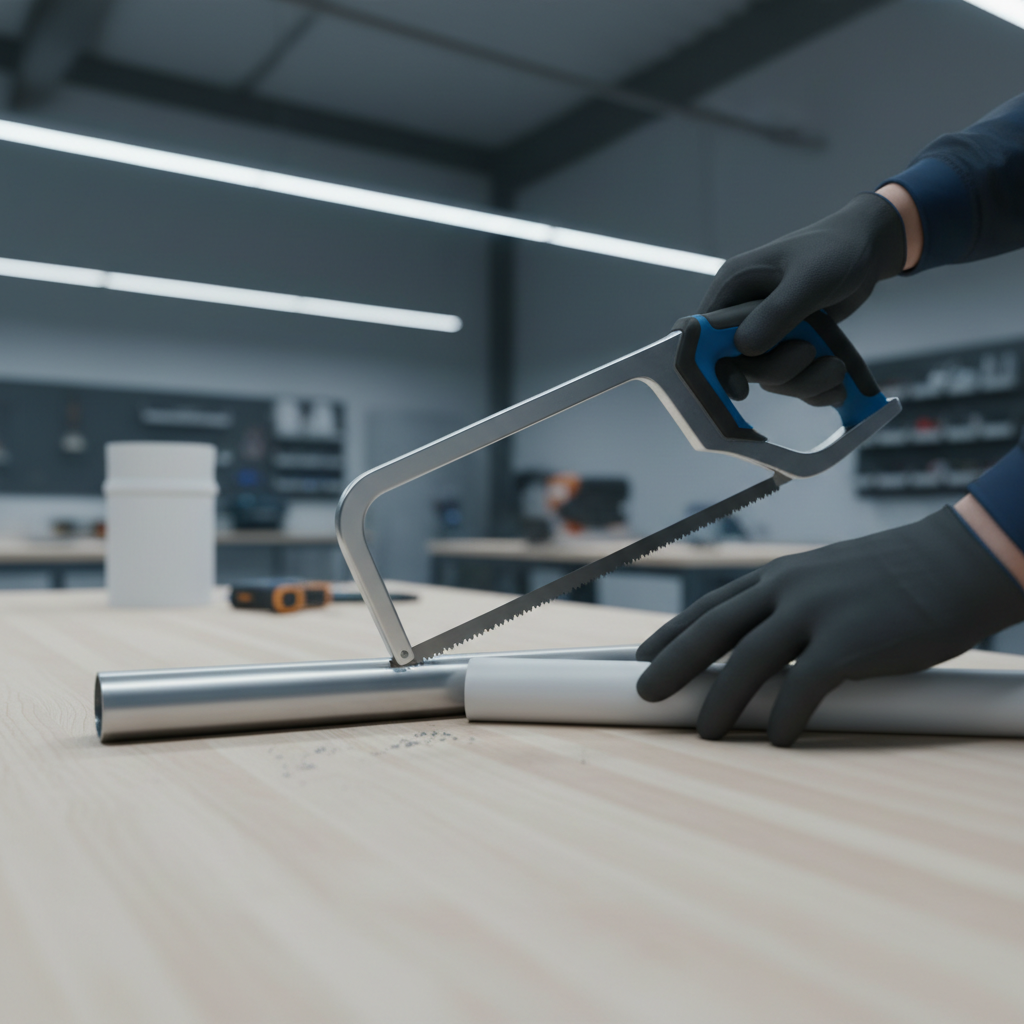
This guide focuses on what to buy in 2026, how to match blades to metal vs plastic, and a few simple habits that make a “cheap” hacksaw cut like a better one. I’ll keep it practical, with quick checks you can do before spending money.
What actually makes a hacksaw good for both metal and plastic
A hacksaw that feels “fine” on plastic can be frustrating on metal, and a metal-focused setup can chew up softer plastics. The sweet spot usually comes from a rigid frame plus the right blade pitch.
- High blade tension: More tension means less flex, straighter cuts, fewer tooth grabs. Frames that can’t tension well make every cut feel mushy.
- Frame rigidity: A stiff spine and solid handle connection reduce chatter on metal and keep the blade from twisting on thin-wall tubing.
- Blade angle options (45°/90°): Helpful for flush-ish cuts or tight spots around studs, conduit, and brackets.
- Comfortable grip: Not “nice to have” when you’re cutting stainless hardware or thick threaded rod. Hot spots cause sloppy tracking.
- Quick blade changes: Especially if you plan to swap between a finer metal blade and a coarser plastic blade.
According to OSHA, employers must ensure hand tools are maintained and used safely; in real shops that translates to “don’t fight dull or damaged blades,” because that’s when slips happen.
Pick your frame: full-size, mini, or high-tension
Most people shopping for the best hacksaw for metal and plastic really need to decide frame style first. The rest is blade selection and technique.
Full-size (12-inch) frame
This is the default for a reason: better stroke length, better control, more blade choices. If you cut a mix of bolts, angle, conduit, and PVC, start here.
- Best for: general purpose cutting, medium to thicker metals, straight cuts on pipe
- Watch for: flimsy frames that can’t tension a blade tightly
High-tension / “pro” frame
High-tension frames cost more, but the difference shows up on metal immediately. If you do frequent metal work, this is where the “why didn’t I do this earlier” feeling often comes from.
- Best for: stainless fasteners, hard steel, frequent use, precision cuts
- Watch for: weight and bulk in tight spaces
Mini hacksaw
Great for tight clearances, not great for long straight cuts. Lots of people buy only a mini and then wonder why everything takes twice as long.
- Best for: close quarters, trimming small fasteners, behind-sink or automotive spaces
- Watch for: short strokes that overheat plastic and load up teeth
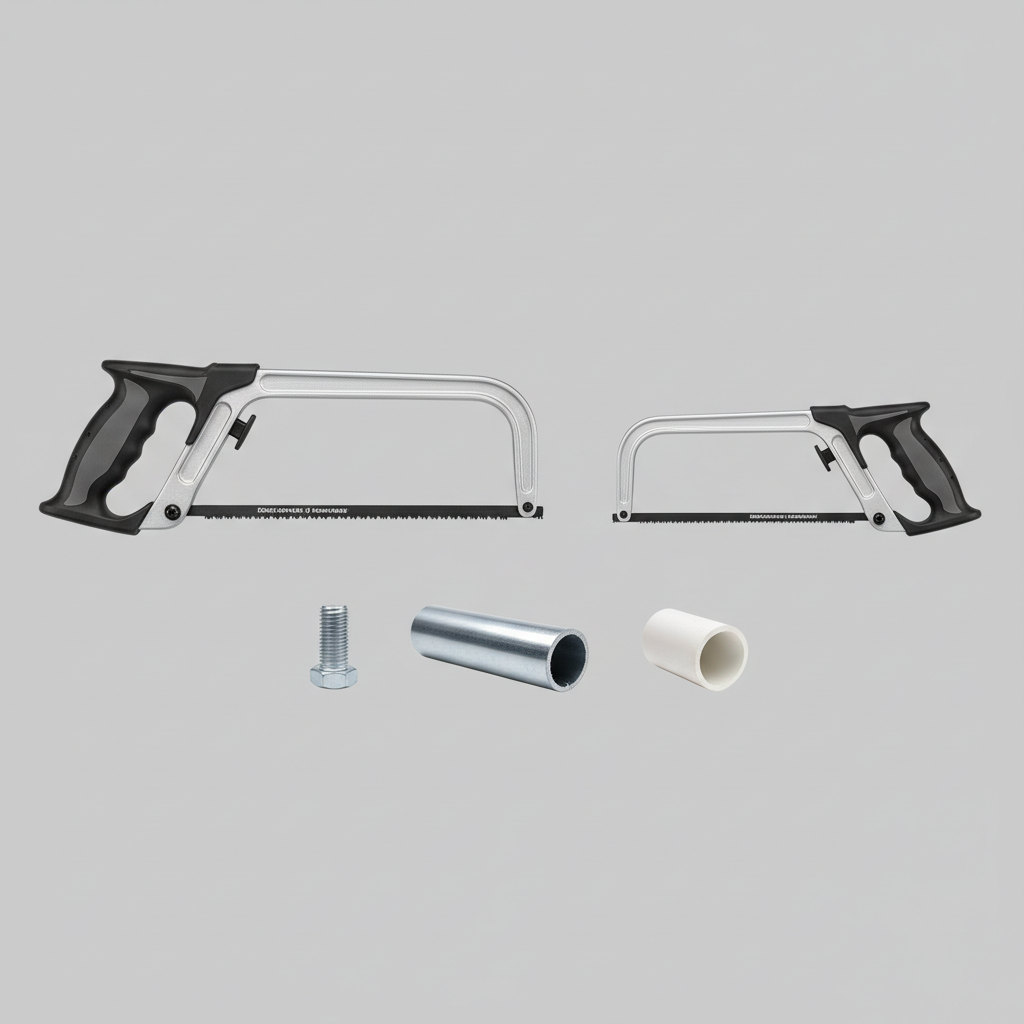
Blade basics: the real secret to clean cuts
If you remember one thing, make it this: you don’t buy one “magic” blade for everything. You keep 2–3 blade types and swap based on material.
- TPI (teeth per inch): Higher TPI = finer teeth, smoother cuts on thin metal; lower TPI = faster bite on thicker stock and many plastics.
- Bimetal blades: Common pick for metal because they resist tooth stripping and last longer than basic carbon steel blades.
- Tooth set: Teeth are bent slightly left/right to create kerf width; too aggressive on plastic can cause grabbing and chatter.
According to Stanley Black & Decker (as a major hand tool manufacturer), choosing the correct blade tooth count for the material is a key factor in cutting performance and blade life.
Recommended blade pitch by material (quick table)
| Material | Typical TPI range | What it feels like when you’re right | Common mistake |
|---|---|---|---|
| Thin metal (sheet, thin-wall tube) | 24–32 TPI | Controlled bite, minimal snagging | Using 18 TPI and shredding edges |
| General steel/aluminum (bolts, bar) | 18–24 TPI | Steady progress, teeth don’t chatter | Using 32 TPI and cutting painfully slow |
| Harder steel / stainless hardware | 24–32 TPI (quality bimetal) | Smoother stroke, fewer tooth pops | Cheap blades that dull fast |
| PVC/ABS plastic | 10–18 TPI (or a dedicated plastic blade) | Fast chips, edge stays clean | Too fine a blade, heat buildup and melting |
| Acrylic / brittle plastics | 18–24 TPI | Less chipping, more control | Over-aggressive teeth causing cracks |
How to choose the best hacksaw for your use case (fast checklist)
If you’re trying to land on the best hacksaw for metal and plastic without overthinking it, use these checks like a store-aisle filter.
- You cut metal weekly? Prioritize a high-tension frame and bimetal blades.
- You mostly cut PVC and occasional bolts? A solid full-size frame plus two blade packs (metal + plastic) is usually enough.
- You work in tight areas? Add a mini hacksaw, but don’t make it your only saw.
- You care about straight, “finish” cuts? Look for a rigid frame, comfortable grip, and finer blade options.
- You hate tool fuss? Quick-change matters, because you’ll actually swap blades instead of forcing the wrong one.
Key point: if the frame flexes when you tension the blade, you’ll end up compensating with hand pressure, and that’s when blades wander.
Buying guide: what to look for in 2026 (without brand hype)
Retail listings love buzzwords. Here’s what tends to matter more in real use.
- Tension mechanism you can feel: Knobs and levers vary, but you want a clear ramp-up to high tension, not a vague “it’s tight-ish.”
- Comfort handle shape: A slightly larger, grippy handle usually reduces wrist fatigue on metal. If you have bigger hands, tiny handles become a problem fast.
- Standard 12-inch blade compatibility: It keeps replacement simple, and you can buy better blades anywhere.
- Blade angle settings: 45° is genuinely useful for flush-adjacent cuts, like trimming a bolt close to a bracket.
- Frame clearance: Deep frames help when cutting larger diameters, but can feel bulky in cramped spaces.
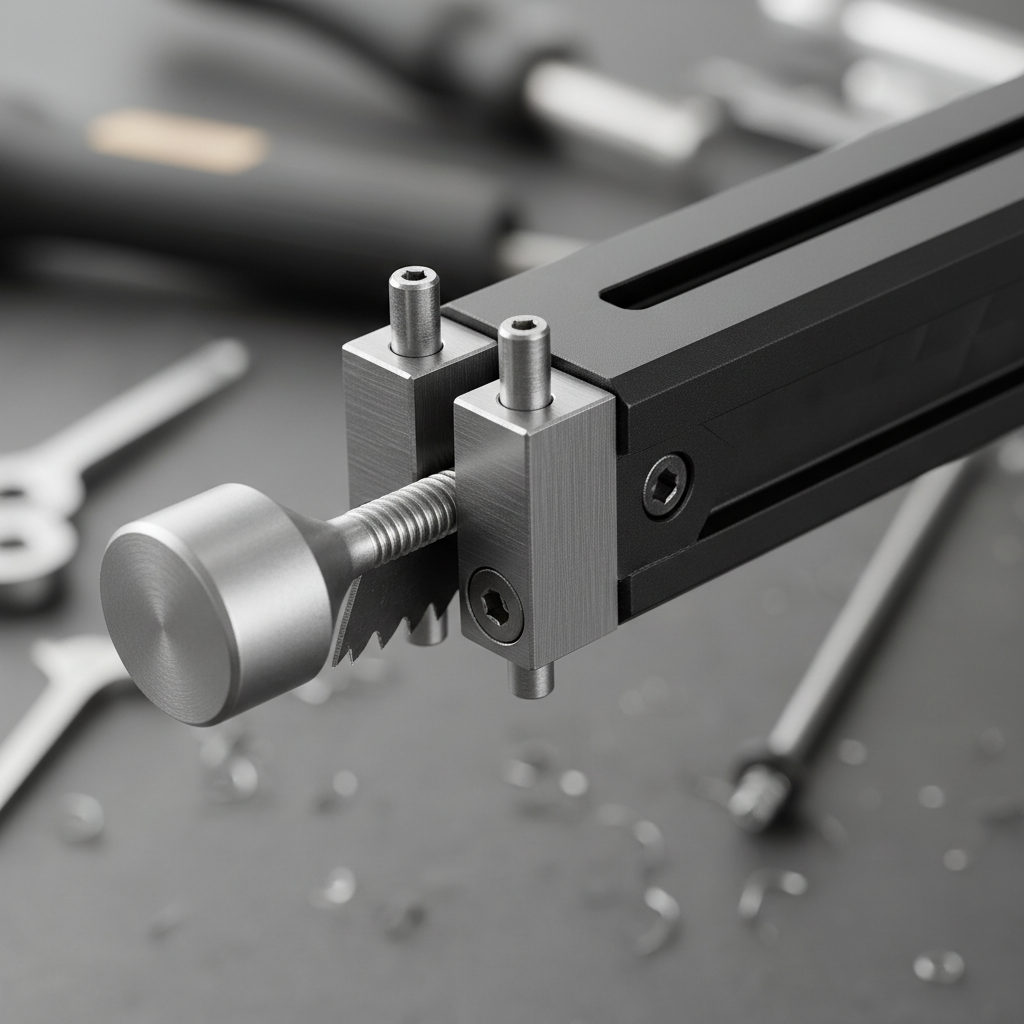
One more thing people miss: if you plan to cut both metal and plastic, buy extra blades up front. Blades are cheap, the time you lose forcing a dull blade is not.
Practical cutting tips that make any hacksaw work better
Even the right saw can feel wrong if the workpiece moves or the stroke is off. These habits are boring, but they fix most complaints.
For metal
- Start with light pressure: Let the teeth establish a groove, then increase pressure slightly.
- Use long strokes: Short choppy strokes wear a small tooth section and overheat the cut.
- Support both sides of the cut: If the offcut drops, it pinches the blade and can snap it.
- Wax/lube can help: On some metals, a little cutting wax reduces binding. If you’re unsure, test on scrap.
For plastic
- Reduce heat: Too much speed plus too fine teeth can melt PVC, especially on thicker pipe.
- Use a coarser blade when appropriate: It clears chips better, so the cut stays cooler.
- Score a guide line: A quick utility knife score on brittle plastics can reduce chipping at the edge.
According to CDC guidance on workplace safety, eye protection is important for tasks with flying particles; cutting metal or brittle plastic can throw chips, so safety glasses are a sensible baseline. If you’re working in a situation with higher risk, consider asking a safety professional what PPE is appropriate.
Common mistakes (and what to do instead)
- Using one blade forever: If the saw suddenly feels “hard,” it’s often a dull blade, not your technique. Swap early.
- Too few teeth in the cut: On thin metal, you generally want multiple teeth engaged; otherwise teeth catch and strip. Go finer TPI.
- Over-torquing the frame: Cranking tension beyond what the frame can handle can damage cheaper frames. If it won’t tension well, that’s the frame telling you its limit.
- Letting the workpiece vibrate: Vibration ruins cuts and blades. Clamp it, even if it feels “quick.”
- Pushing hard to go faster: With hacksaws, extra force often makes cuts slower because the blade binds and wanders.
Conclusion: a simple setup that covers most people
If you want one purchase that behaves like the best hacksaw for metal and plastic in day-to-day home and light-pro use, go with a rigid full-size frame that can tension well, then keep two blade types on hand: a quality bimetal blade in the 18–24 TPI range for general metal work, plus a coarser option for PVC and other plastics.
Action-wise, start by upgrading blades before upgrading the frame, and clamp the work more often than you think you need to. Those two moves solve a surprising number of “my hacksaw sucks” situations.