
An air hose reel retractable wall setup is one of those upgrades you feel every day, less tangling, fewer trip hazards, and air tools that are actually ready when you are.
But the “right” reel depends on details most people gloss over: hose length vs pressure drop, reel spring strength vs daily use, swivel quality vs annoying leaks, and whether your wall can safely carry the load over time.
This guide breaks down what matters, how to choose by real-world use, and how to mount and maintain a wall mount retractable reel without creating new problems.
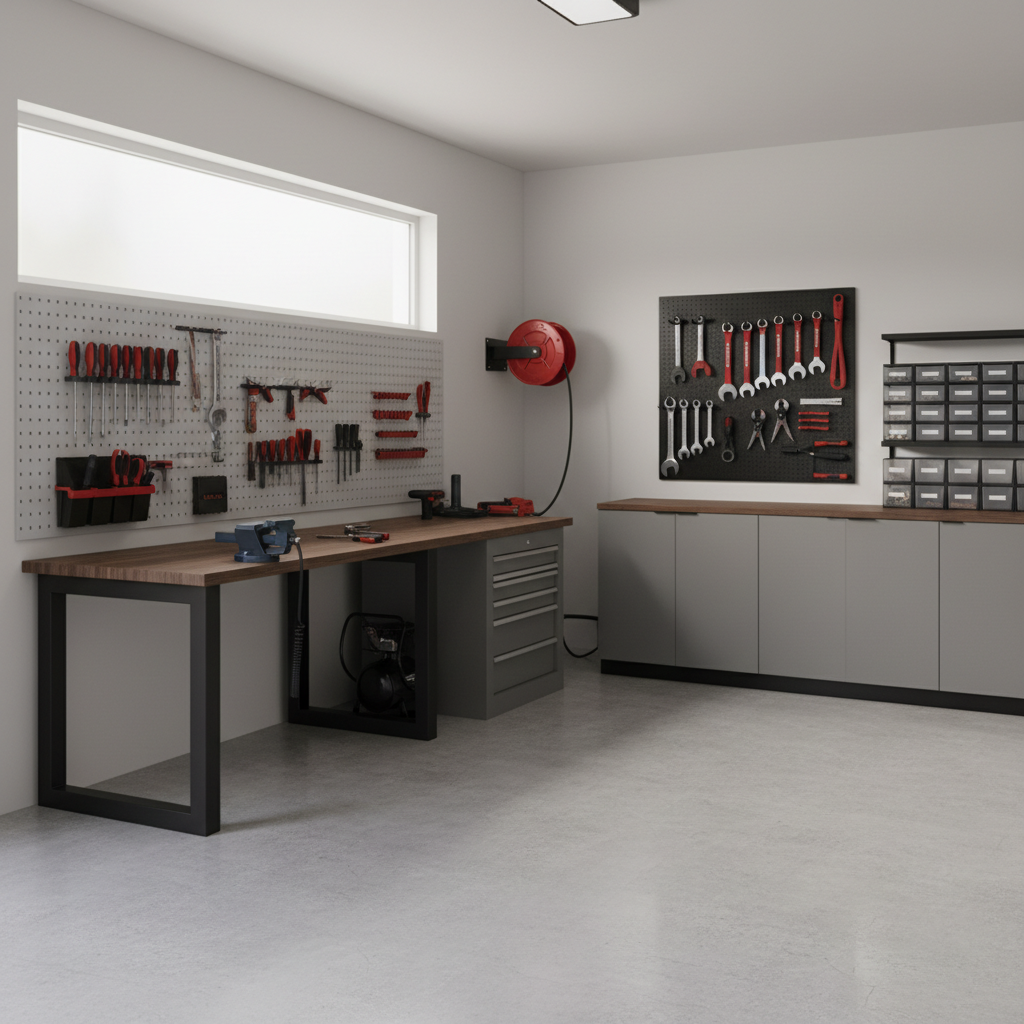
What a Wall-Mount Retractable Air Hose Reel Actually Solves
The main win is simple: you stop managing hose. A retractable reel keeps the line off the floor, controls where it “lives,” and reduces the friction that causes kinks and premature wear.
In many home garages and small shops, it also improves how your compressor “feels.” Not because it adds air, but because good routing and fewer sharp bends often reduce flow restriction during use.
- Less mess, less downtime: You finish a job and the hose stows in seconds.
- Fewer trip hazards: Especially when you move around a vehicle or a workbench.
- Cleaner hose life: Less dragging across concrete, metal shavings, or driveway grit.
- More consistent reach: A mounted reel creates a predictable “work radius.”
Why Some Reels Feel Great for a Month, Then Get Annoying
If you have ever used a reel that starts sticking, retracting too aggressively, or leaking at the swivel, you already know the pattern. The early experience is nice, then little issues turn into daily friction.
Common causes (and what they look like)
- Weak or inconsistent spring tension: The hose won’t retract fully, or retracts only when you “help” it.
- Low-quality swivel seals: You hear faint hissing near the reel hub, especially under load.
- Undersized hose ID: Tools run, but impact wrenches feel underpowered, sanders stall easier.
- Mount flex: Reel “walks” on the wall, squeaks, or loosens fast after a few weeks.
- Wrong hose material: Stiffness in cold weather, or abrasion cracks where it rubs.
According to OSHA (Occupational Safety and Health Administration) guidance on compressed air use, uncontrolled hoses and damaged fittings can create safety hazards, so the “annoying” stuff can become a real risk if ignored.
Quick Self-Check: What Kind of Reel Do You Need?
Before you shop, sort yourself into a use case. It saves money and prevents buying a reel that fights your workflow.
- Light DIY / occasional: Blow gun, tire top-offs, brad nailer, a few times a month.
- Garage regular: Impact wrench, inflator, ratchet, weekly use, multiple bays.
- High-flow tools: DA sander, die grinder, paint prep tools, longer duty cycles.
- Mobile reach: You need the hose to reach driveway, backyard, or around a lift.
Also check your compressor reality: tank size matters less than CFM at pressure and how your regulator and fittings are set up. A reel can’t fix a compressor that’s undersized for your tool, but it can avoid making flow worse.
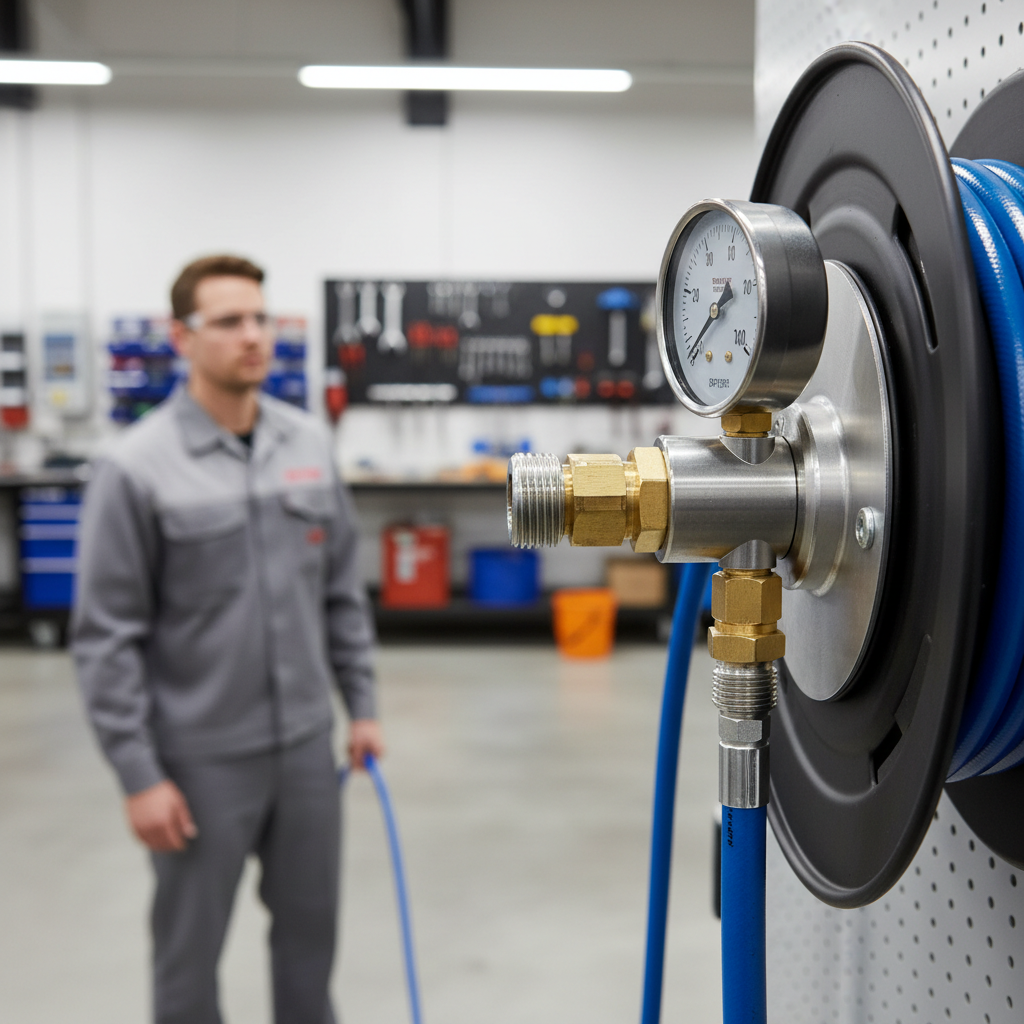
Buying Guide: Specs That Matter (and the Ones That Don’t)
Product pages love big numbers, but the “feel” of a reel usually comes down to a few practical specs.
Key specs to prioritize
- Hose inside diameter (ID): Many garage users prefer 3/8 in for better airflow; 1/4 in can be fine for nailers and inflators but may restrict high-demand tools.
- Hose length: Buy for actual reach, not optimism. Longer runs can increase pressure drop, especially with small ID hose and restrictive couplers.
- Working pressure rating: Ensure it covers your regulated pressure with margin. Don’t run near the edge.
- Swivel quality: Look for solid materials and serviceable seals when available. The swivel is where many reels fail first.
- Mounting bracket and pivot: A reel that can swivel left-right usually feels better in a bay, reducing hose rub and side loads.
Nice-to-have features (useful, but not always required)
- Adjustable hose stop: Helps keep the coupler at a convenient parking spot.
- Slow retract / speed control: Reduces “whip” when retracting.
- Hybrid polymer hose: Often stays flexible across seasons and resists kinks better than basic PVC.
Wall Mounting: A Practical, Safer Installation Approach
This is where people cut corners. A retractable reel creates dynamic load: pulling, retracting, and side angle forces. Treat it like mounting a small piece of equipment, not a wall hook.
According to American Wood Council span and fastener guidance principles, fastening to solid framing (studs) generally provides a more reliable load path than relying on drywall anchors for heavy, repeatedly loaded items. If you’re unsure about your wall structure, a local contractor can help you pick a safe mounting method.
Mounting steps that usually work well
- Pick the height: Commonly 5–7 ft so the hose clears benches but the latch is reachable.
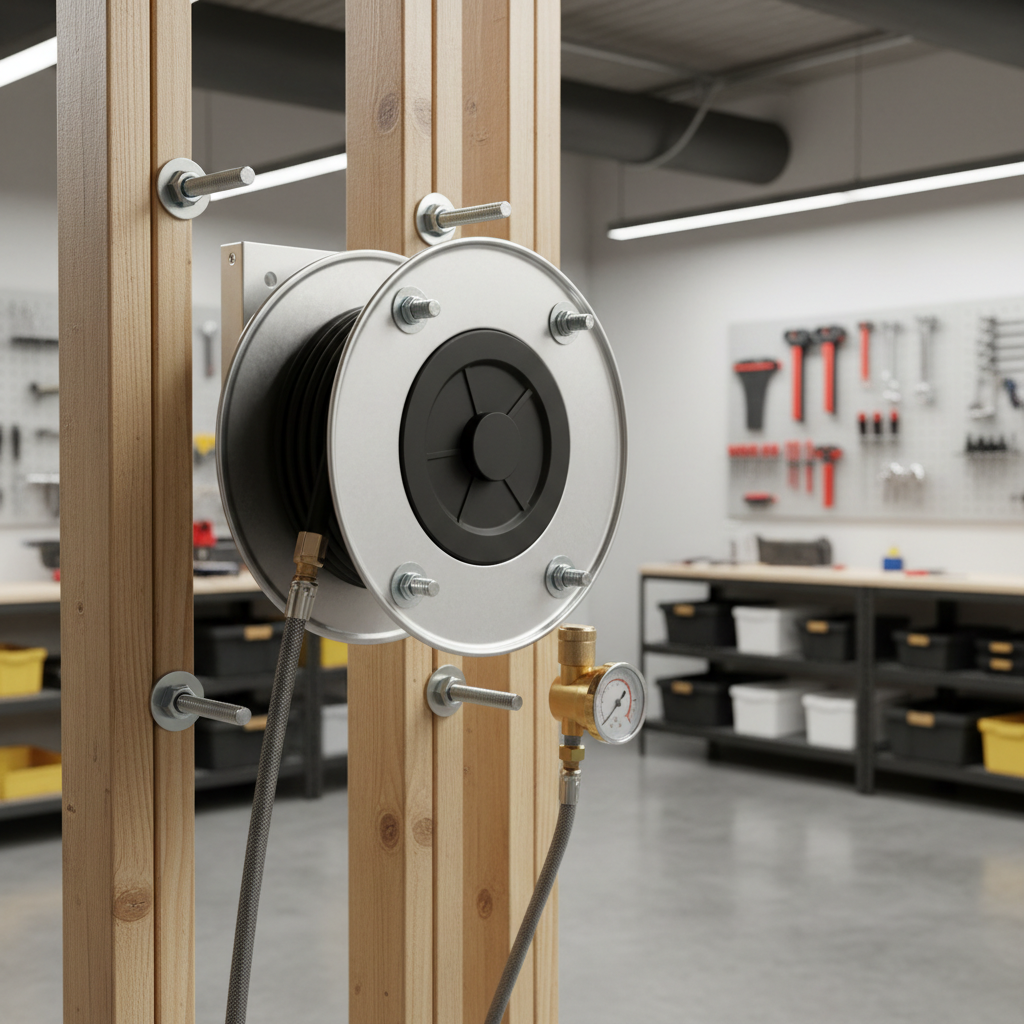
- Find structure: Mount into studs, masonry, or a properly installed backer board. Avoid “just drywall.”
- Use proper hardware: Lag screws into studs, or rated concrete anchors for masonry. Match diameter and length to the reel bracket holes.
- Keep the air supply short and flexible: A short leader hose from your rigid line/regulator reduces stress and makes swivel movement smoother.
- Add thread sealant correctly: Use PTFE tape or pipe dope rated for air systems on NPT threads, keep the first thread mostly clean so debris doesn’t enter the line.
If you plan to run rigid piping, consider a filter/regulator near the reel for cleaner air and consistent pressure. For painting or sensitive tools, you may need a dryer setup; that becomes more of a system decision than a reel decision.
Choosing the Right Reel by Scenario (with a Quick Comparison Table)
Instead of chasing “best,” match the reel to how you work. Here’s a practical comparison most buyers can use as a starting point.
| Use case | Typical hose ID | Typical length | What to prioritize | Common mistake |
|---|---|---|---|---|
| Inflation + blow gun | 1/4 in | 25–50 ft | Easy retract, decent coupler | Overbuying length and fighting stiffness |
| General garage air tools | 3/8 in | 50 ft | Swivel seal quality, bracket strength | Using restrictive quick-connects everywhere |
| High-flow / continuous tools | 3/8 in (or larger system) | 50–75 ft | Flow, hose material, rebuildable parts | Small ID hose causing tool “weakness” |
| Driveway or multi-bay reach | 3/8 in | 75 ft | Swivel pivot range, smooth pull | Mounting too low, hose rub and wear |
Real-World Use Tips: Keep It Retracting Smoothly (and Quietly)
Most “my reel is junk” complaints are actually maintenance or setup issues. Not all, but many.
- Don’t let it slam retract: Walk it back in. Fast retraction can whip the coupler and stress the stop.
- Listen for leaks early: A tiny hiss at the hub often gets worse. Fixing a seal early can be cheaper than replacing the reel.
- Keep the hose path clean: Metal chips and grit can abrade the outer jacket, especially near the first few feet.
- Drain water at the compressor: Moisture in the line can shorten coupler life and cause inconsistent tool behavior.
For an air hose reel retractable wall installation, one underrated choice is the quick-connect style. Standard industrial couplers are convenient, but high-flow couplers can make a noticeable difference for demanding tools. You don’t need to replace everything, but the bottleneck usually shows up at the smallest fitting in the chain.
Common Mistakes to Avoid (So You Don’t Buy Twice)
These show up a lot in garages and small shops, usually because the reel seems “simple” until it isn’t.
- Mounting into drywall only: It may hold briefly, then loosen. If it falls, the fittings can break and the hose can whip.
- Ignoring pressure drop: A long, small-ID hose plus cheap couplers can starve tools even when the regulator reads fine.
- Over-tightening fittings: This can damage threads or distort seals. Tight is good, crushed is not.
- Placing it where the hose rubs constantly: Corner installs can grind the hose jacket over time unless the reel pivots well.
- Assuming all reels are serviceable: Some are effectively disposable. If long-term ownership matters, check parts availability.
When It’s Worth Calling a Pro
If your setup involves new electrical circuits for a bigger compressor, hard-piped air lines, or mounting into questionable masonry, getting help can be the calm, boring choice that prevents expensive surprises.
- Frequent breaker trips or voltage drop: An electrician can confirm the circuit is appropriate for compressor startup load.
- Persistent leaks you can’t locate: A compressor tech or experienced installer can pressure-test and isolate sections.
- Commercial shop requirements: You may have code, safety, or inspection expectations that vary by city and insurer.
According to OSHA, compressed air used for cleaning can be hazardous if misused; if you’re setting up air for blow-off, consider proper nozzles and safe pressure limits, and when in doubt, ask a qualified safety professional.
Key Takeaways and Next Steps
If you want the cleanest day-to-day experience, treat the reel as part of the whole air system: hose ID, couplers, mounting, and swivel quality matter as much as the brand name on the cover.
- Match hose ID and length to your tools, not just your garage size.
- Mount into real structure, and use hardware that fits the wall type.
- Pay attention to leaks and retract behavior early, small fixes prevent bigger failures.
If you’re upgrading from a pile of hose on the floor, an air hose reel retractable wall setup is usually a noticeable quality-of-life improvement. Pick the right size, mount it right, then enjoy not thinking about your hose anymore.
FAQ
What length is best for a wall-mounted retractable air hose reel?
For many garages, 50 ft is the sweet spot because it reaches around a vehicle without feeling overly heavy. If you routinely work in a driveway or multi-bay space, 75 ft can be worth it, but expect more pressure drop and a larger reel.
Is 1/4-inch hose OK, or should I buy 3/8-inch?
1/4-inch often works fine for inflators and nailers. If you use impact tools or anything that runs continuously, 3/8-inch is usually more forgiving and can reduce the “tool feels weak” problem caused by restricted airflow.
Why does my retractable reel leak at the hub?
Many leaks come from the swivel seals. Sometimes re-sealing the threaded connections helps, but a consistent hiss at the rotating joint may mean the internal seal is worn. If the reel isn’t serviceable, replacement may be more practical.
Can I mount a reel to drywall with heavy-duty anchors?
In many cases it’s risky because retracting and pulling creates repeated forces. If studs aren’t where you want the reel, a common approach is adding a properly secured backer board spanning studs, then mounting the reel to that.
How do I reduce hose whip when it retracts?
Guide the hose in by hand and avoid letting it free-spin. If the reel has speed control, dial it down. A solid hose stop also helps keep the coupler from slamming into the reel housing.
Do I need a regulator at the reel or only at the compressor?
Either can work, but a regulator near the point of use can make adjustments easier and more consistent, especially if your main line feeds multiple tools or stations. For specific applications like painting, filtration and drying needs may change the setup.
My air tools still feel underpowered after installing a reel, why?
Check the whole chain: compressor CFM rating, regulator setting under load, coupler style, hose ID, and any narrow fittings. The reel might be fine, but one restrictive connector can bottleneck the system.
If you’re deciding between a few reel options, it helps to list your tools, required reach, and where you can safely mount, then pick the simplest reel that fits those constraints, if you want, share your compressor model, tool list, and mounting surface, and I can help you sanity-check the sizing before you buy.