
The best plier set for general household use is the one that covers 90% of everyday fixes without slipping, chewing up fasteners, or leaving you hunting for a “better pair” mid-project.
Most households don’t need a giant toolbox, but they do need a few reliable pliers that grip cleanly, cut predictably, and feel comfortable after five minutes of twisting, pulling, or holding something in place.
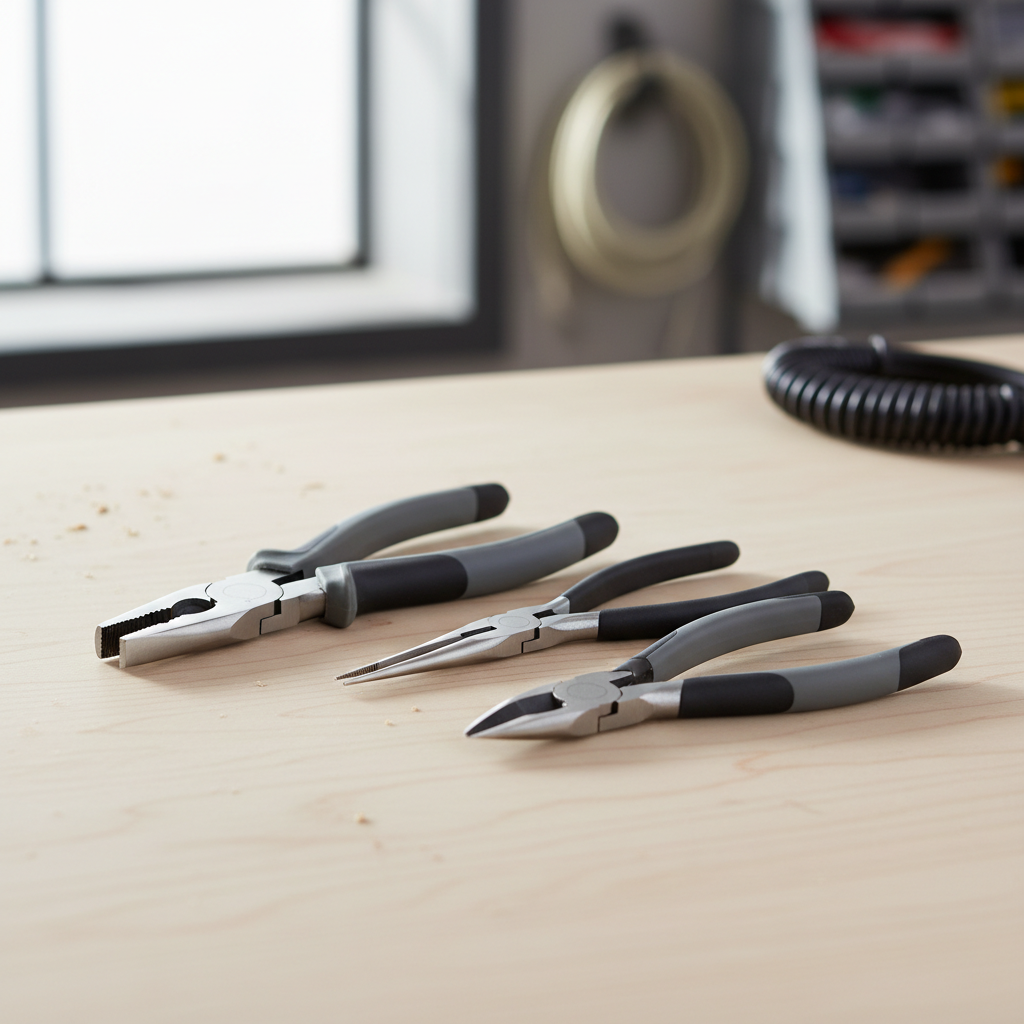
This guide is built for typical U.S. home use, think light electrical work, tightening a nut under the sink, pulling a stubborn nail, fixing a gate latch, or bending a small bracket. You’ll get a quick comparison table, a practical “what to buy” checklist, and a few mistakes that waste money.
What “General Household Use” Really Means (and What It Doesn’t)
In real life, “household use” usually means mixed materials and awkward angles, not heavy fabrication. Pliers get used on small bolts, wire, zip ties, hose clamps, picture-hanging hardware, and random stuck things.
- Typical tasks: gripping, bending, light cutting, pulling staples/nails, holding parts while you tighten with another tool.
- Not typical: cutting hardened steel, daily automotive work, crimping large electrical lugs, plumbing on big pipe sizes.
If you do those heavier jobs often, you still can start with a household set, but you’ll likely add a few “purpose” tools later.
The Core Pliers Most Homes Actually Use
If you’re trying to buy fewer tools, focus on coverage. A small set can be more useful than a big kit of duplicates.
1) Slip-joint or groove-joint pliers
These are your general grip tool for odd shapes. Groove-joint (often called “channel” style) tends to bite better on larger items like faucet fittings or small drain parts.
2) Long/needle-nose pliers
Best for reaching into tight spots, pinching small parts, and bending wire with some control. Look for a tip that meets cleanly, not a misaligned point.
3) Diagonal cutters (a.k.a. “dikes”)
For cutting wire, trimming zip ties, and snipping small nails in a pinch. A sharp, well-ground edge matters more than brand hype.
4) Tongue-and-groove pliers (optional but common)
Helpful when you need extra capacity and torque. Many households use these a lot for plumbing-adjacent tasks, but if you rarely touch fittings, you can skip at first.
Quick Comparison Table: What to Look For in a Household Pliers Set
Here’s a practical way to compare options without getting lost in marketing language.
| Feature | Why it matters at home | Good sign | Red flag |
|---|---|---|---|
| Jaw alignment | Prevents slipping and rounding fasteners | Tips meet evenly, no wobble | Gaps at the tip, side-to-side play |
| Cutting edge quality | Cleaner cuts, less hand strain | Sharp, consistent bevel | Dull out of box, chipped edge |
| Handle comfort | Reduces fatigue on repetitive squeezing | Cushioned, secure grip texture | Hard plastic that twists or slides |
| Corrosion resistance | Tools survive humid garages and basements | Chrome/nickel finish or coated steel | Rough finish, early surface rust |
| Set composition | Avoid paying for duplicates you won’t use | 3–5 distinct plier types | 8–10 pieces that look nearly identical |
How to Choose the Best Pliers Set for Your Home (A Simple Checklist)
If you want the best plier set for general household use, your decision is mostly about fit and use frequency, not chasing the “most pieces.” Use this as a quick filter when you’re scrolling listings.
- Start with 3 essentials: slip-joint (or groove-joint), needle-nose, diagonal cutters.
- Choose mid-size: around 6–8 inches covers most tasks without feeling clumsy.
- Check the pivot feel: opening/closing should feel smooth, not gritty or loose.
- Prefer clear specs: heat-treated steel, induction-hardened cutters, or similar notes help, even if brands vary.
- Storage matters: pouch or case is not “extra,” it keeps tools from vanishing into drawers.
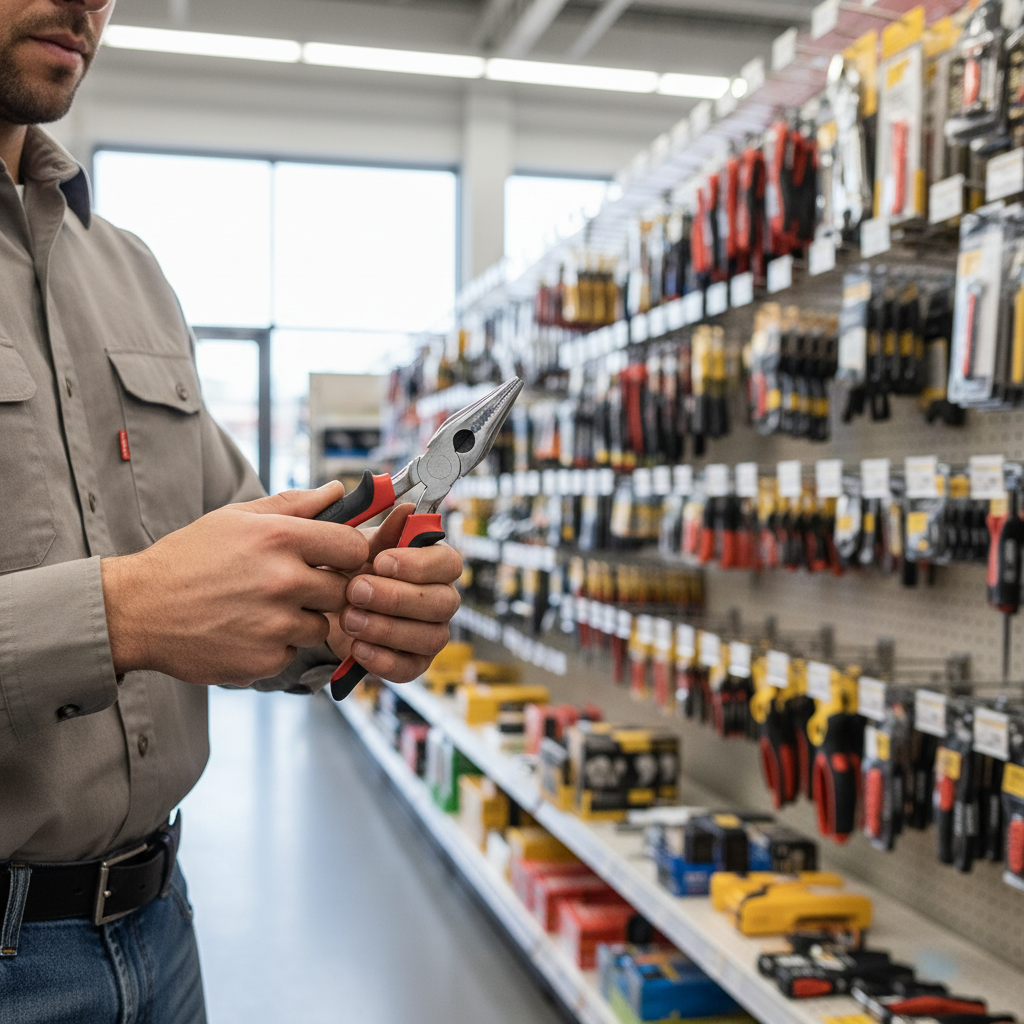
Key point: a “household” set that cuts cleanly and grips confidently beats a bigger set with mediocre jaws. That’s the difference you feel on day two, not day one.
Practical Buying Scenarios (So You Don’t Overbuy)
Most people shop for pliers after something breaks, so it helps to match the set to your situation.
If you’re a renter or in an apartment
- Pick a compact 3-piece set plus a small adjustable wrench.
- Prioritize needle-nose and diagonal cutters for light tasks.
If you own a home with a garage or shed
- Go 4–5 pieces, add tongue-and-groove for hose clamps and fittings.
- Consider a rust-resistant finish if your storage area runs humid.
If you do occasional DIY (shelves, fixtures, small repairs)
- Buy comfort: better grips and cleaner pivots reduce hand strain.
- Add locking pliers only if you routinely need a “third hand.”
Using and Maintaining Pliers So They Stay Reliable
A decent set lasts longer than most people expect, but only if you avoid a few habits that quietly ruin jaws and cutters.
- Don’t twist with cutters: diagonal cutters are for cutting, not prying.
- Match tool to job: use groove-joint for larger fittings, needle-nose for precision.
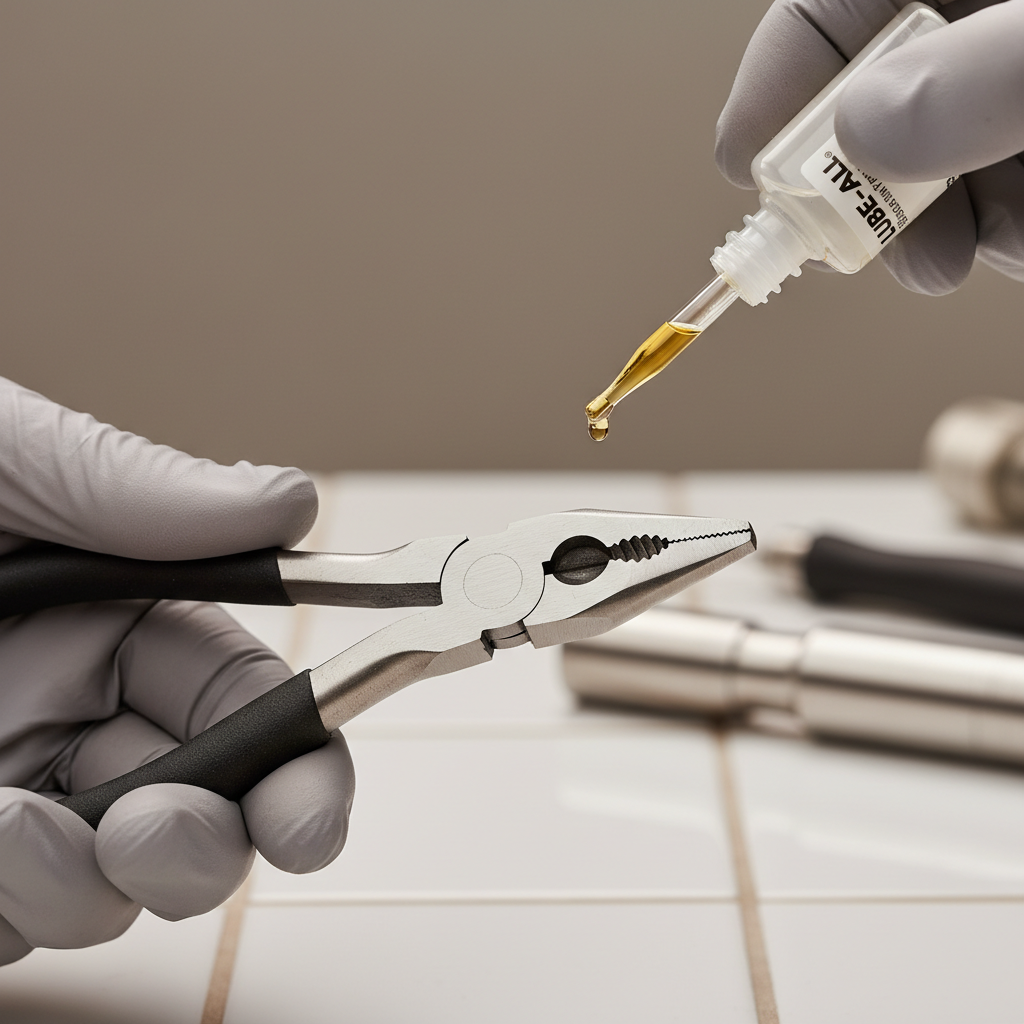
- Keep the pivot clean: a tiny drop of light oil helps if the joint feels stiff.
- Wipe after wet jobs: especially after plumbing leaks or outdoor work.
According to OSHA (Occupational Safety and Health Administration), hand tools should be maintained and kept in safe condition to reduce injury risk. For home use that translates to: if a tool slips, binds, or has damaged edges, treat it as a safety problem, not just an annoyance.
Common Mistakes When Picking a Household Pliers Set
These are the traps that make people think “pliers don’t work,” when the real issue is mismatch or low-quality fit.
- Buying the biggest kit: lots of near-duplicates, missing the one tool you need.
- Ignoring cutter quality: dull cutters make simple wire work feel impossible.
- Assuming insulated handles mean electrical safety: many grips are just comfort. If electrical work is involved, look for tools clearly rated for that use and consider asking a qualified electrician when unsure.
- Using pliers as a wrench: pliers can round nuts and bolts, then you’re stuck.
If your goal is the best plier set for general household use, you’re optimizing for everyday reliability, not edge-case strength.
When It’s Worth Getting Professional Help
Pliers can help you diagnose and stabilize small problems, but some situations carry real risk.
- Electrical concerns: sparking outlets, repeated breaker trips, damaged wiring, stop and consider a licensed electrician.
- Gas lines or gas appliances: even “just tightening” can be risky, contact a qualified technician if you suspect a leak.
- Major plumbing leaks: if water pressure or shutoff valves behave unpredictably, a plumber can prevent bigger damage.
In many cases you can still use your pliers set for safe prep work, like shutting off water, holding parts steady, or removing a clamp, but don’t force a fix when the downside is high.
Conclusion: A Small Set, Chosen Well, Beats a Drawer Full of Random Pliers
For most homes, you’ll get the best results by buying a focused set with solid jaw alignment, comfortable handles, and at least one reliable cutter. Start with three essentials, add a tongue-and-groove or locking pliers only when your projects prove you need them.
If you want one action step today, open your junk drawer and check what you already own, any plier that slips under light grip pressure is your first replacement target.