
Best spade bit set for quick drilling shopping usually starts after the same frustration, you need clean holes fast, but the bit burns, chatters, or tears up the wood right when the job needs to look decent.
If you drill cabinets, run electrical, build decks, or do weekend DIY, spade bits still earn a spot in the toolbox because they are simple, affordable, and quick when the geometry is right. The problem is many sets look similar on the shelf, yet behave very differently in real lumber.
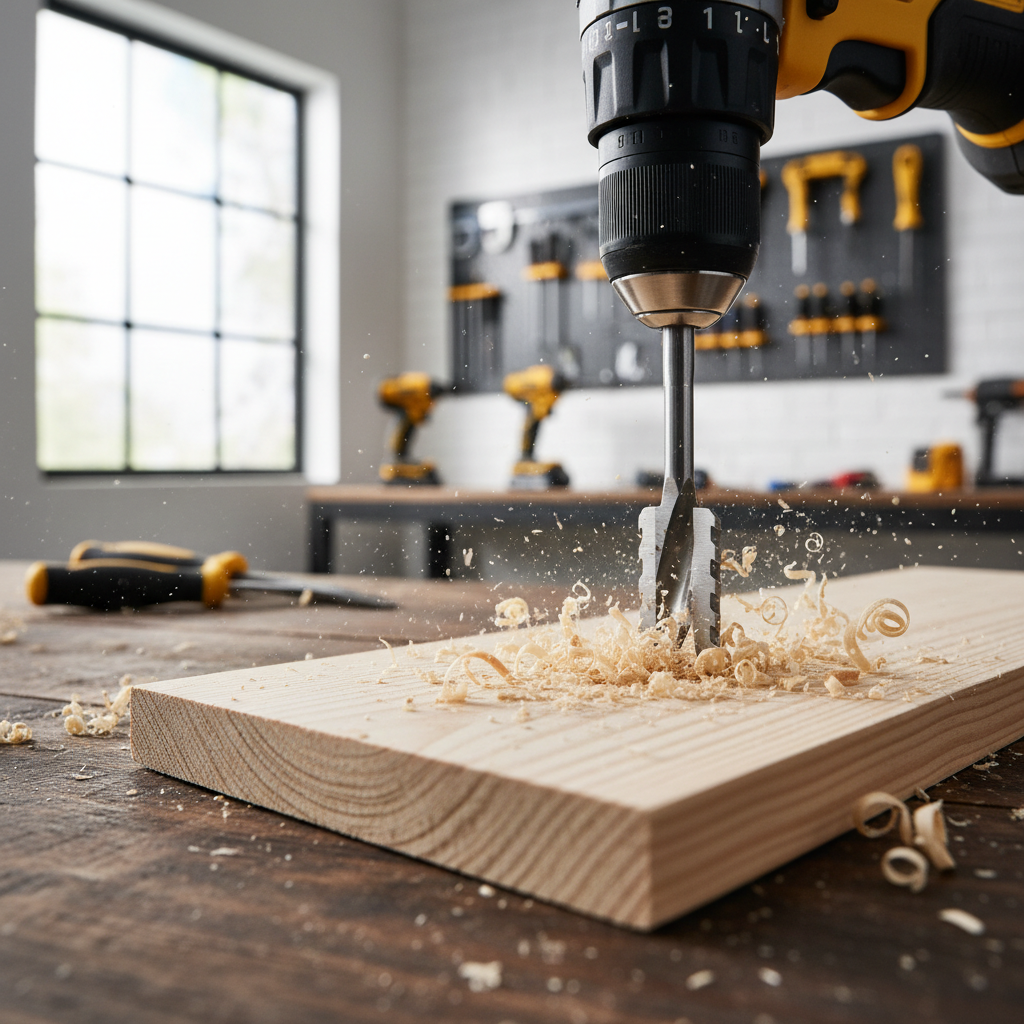
This guide focuses on what actually drives speed and hole quality, point design, cutting edges, steel, and how the bit fits your drill. You will also get a quick comparison table, a self-check list, and a few drilling habits that save time more than “upgrading” ever will.
What “quick drilling” really depends on
Speed is not only RPM. With spade bits, fast work comes from a bit that starts easily, clears chips, and stays stable so you do not have to stop, back out, and fight the hole.
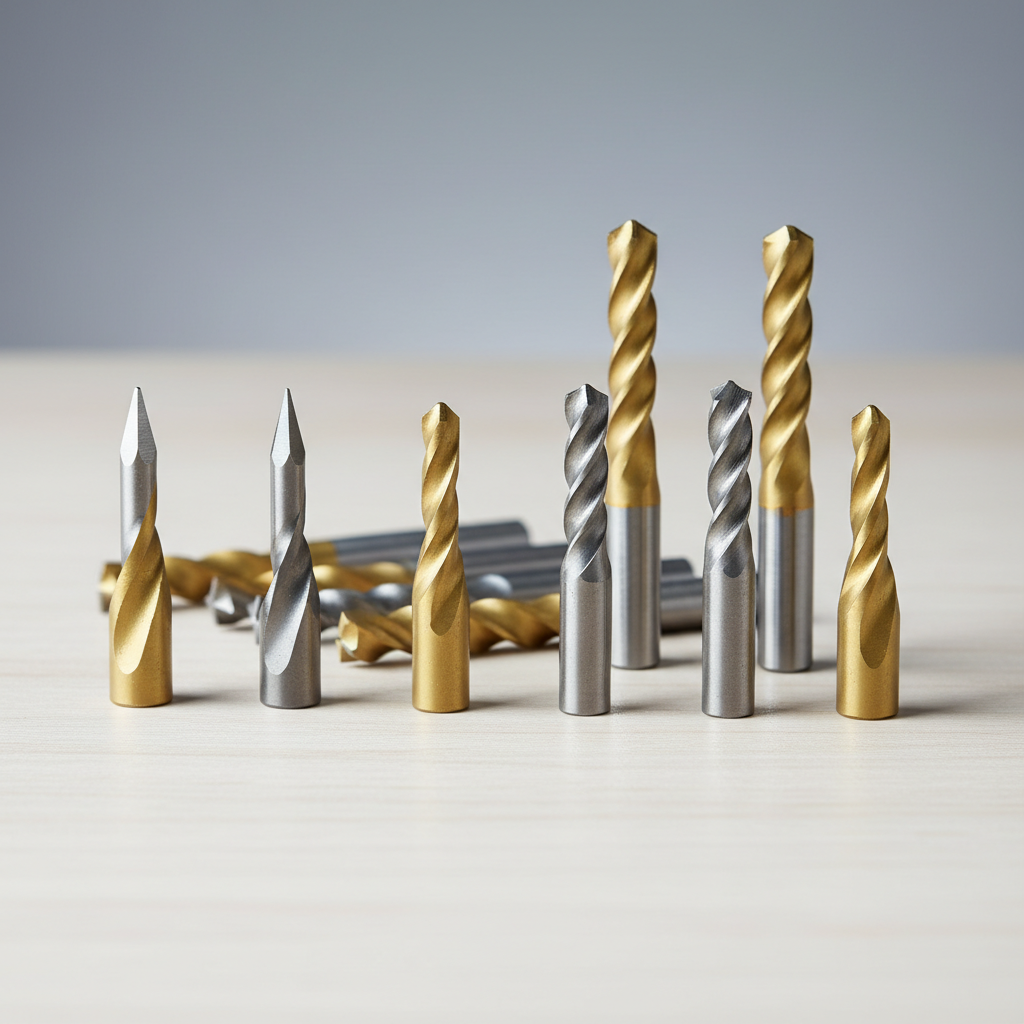
- Tip style: A sharp spur point or threaded tip centers fast and reduces wandering, especially on studs and joists.
- Cutting edge shape: Cleaner edges reduce tear-out, and they also reduce resistance, which helps a cordless drill maintain speed.
- Chip clearance: Larger gullets and polished surfaces clear shavings faster, which matters in deep holes.
- Shank fit: A secure fit reduces wobble, and less wobble means fewer restarts and less heat.
- Material match: Plywood, pressure-treated lumber, and hardwood all load a bit differently, so “fast” varies by job.
According to OSHA, safe drilling includes securing the workpiece and using proper PPE such as eye protection, which also helps you keep a steady feed rate without rushing when chips start flying.
Comparison table: what to look for in a spade bit set
If you want a fast filter, compare sets by geometry and usability, not just number of pieces. A big case looks impressive, but quick drilling comes from the few sizes you use constantly being good.
| Feature | Why it matters for speed | What “good” looks like |
|---|---|---|
| Center point | Starts clean, reduces walking | Sharp spur point, or threaded tip for aggressive bite |
| Edge style | Lower resistance, cleaner exit | Scoring spurs or refined cutting lips, consistent grinding |
| Steel / coating | Holds an edge, reduces friction | Quality tool steel, black oxide or similar anti-rust finish |
| Shank | Reduces slip and wobble | 1/4" hex quick-change, or 3/8" round for drill press |
| Size range | Covers common rough-in holes | At least 1/4" to 1-1/2", with common sizes not duplicated |
| Case + labeling | Saves time on the job | Readable size marks, bits lock in place, one-hand access |
Which spade bit set type fits your work
Most “best spade bit set for quick drilling” searches fall into three real use cases. Pick the set type first, then worry about brand.
For general DIY and home repair
- Look for a mid-size set with clear markings and a sturdy case.
- Choose spur-point tips for cleaner starts on mixed lumber.
- A 1/4" hex shank makes swapping fast on a ladder.
For electricians, plumbers, and rough-in work
- Threaded tips can pull the bit through quickly, but they need control, especially in softer studs.
- Prioritize chip clearance, because repeated deep holes create heat fast.
- Consider impact-rated options only if the manufacturer explicitly rates them for impact drivers.
For furniture, cabinetry, and finish carpentry
- Spade bits are not always the best choice for visible holes, but you can make them behave.
- Pick sets with scoring spurs or a refined edge profile to reduce tear-out.
- Plan to drill a backer board or drill from both sides for cleaner exits.
Quick self-check: is your current set the real bottleneck
Before you replace anything, run this quick checklist. Many slow holes come from setup or technique, not the bit set.
- The bit feels hot fast: often chip clogging, dull edge, or too much pressure without clearing.
- The hole starts off-center: tip is rounded, or you start at high speed without a stable pilot.
- Lots of tear-out on exit: no backer board, drilling too fast at breakthrough, or wrong edge geometry.
- Drill stalls in 2x lumber: battery weak, clutch set low, or bit diameter too large for the drill torque.
- The bit slips in the chuck: worn chuck jaws, smooth round shank, or oily shank surface.
If two or more are true, a better set may help, but you will also get a noticeable jump by adjusting feed rate and chip clearing.
How to drill faster and cleaner with spade bits (step-by-step)
These steps sound basic, but they are what separates a “pretty good” spade bit from the best spade bit set for quick drilling in day-to-day use.
1) Mark, brace, and start slow
- Mark the center with a pencil and, when accuracy matters, make a small dimple with an awl.
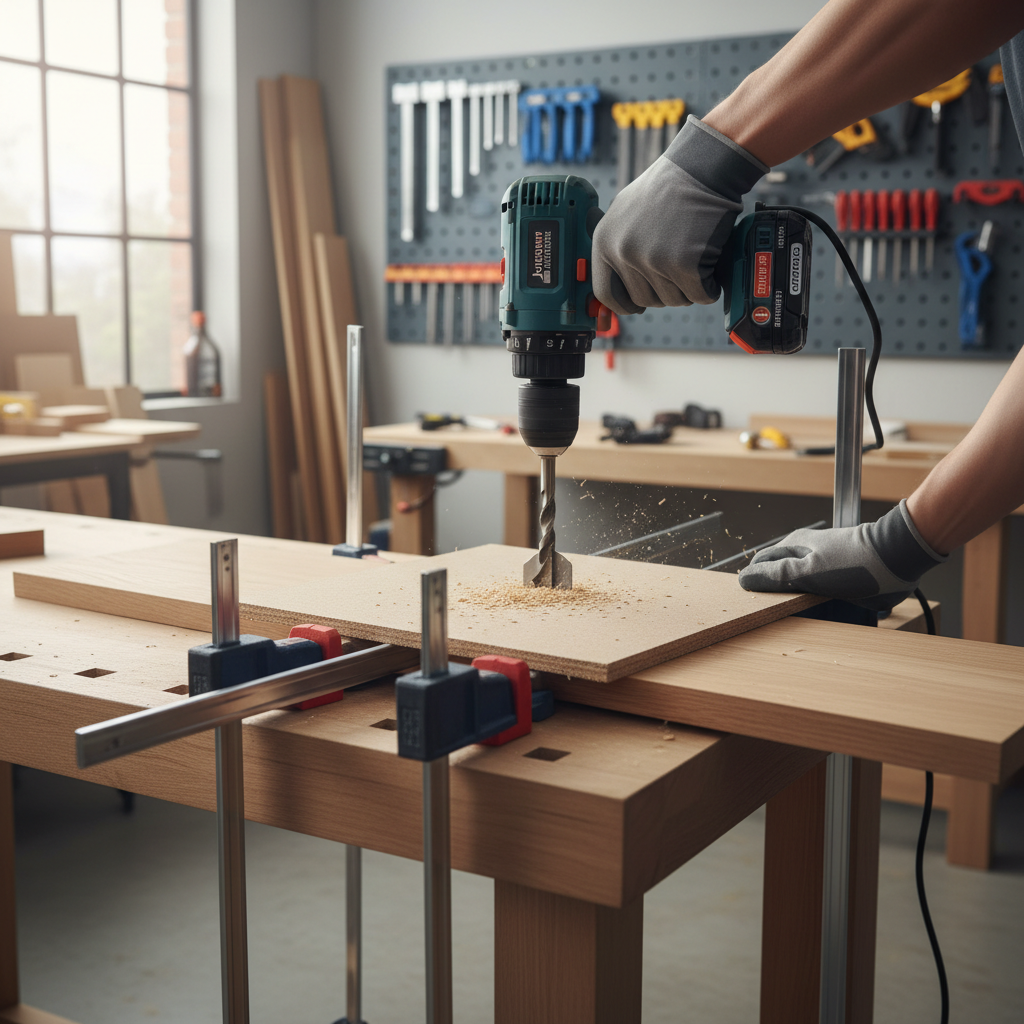
- Brace the workpiece, a moving board wastes time and chews edges.
- Start at a lower speed until the point seats, then ramp up.
2) Use the right speed for the diameter
Larger bits need lower RPM. If you run a 1-1/2" spade bit like a 3/8" bit, you get heat, smoke, and a stalled drill. Many cordless drills do better in low gear for larger sizes.
3) Peck-drill to clear chips
- Drill a short distance, back out to clear chips, then continue.
- This matters more in wet pressure-treated lumber, where chips pack and bind.
4) Control the exit
- As the point nears breakthrough, ease pressure, let the cutters finish.
- For clean exits, clamp a scrap backer board under the workpiece.
- On visible work, drilling from both sides can reduce blowout a lot.
5) Keep a “job sizes” mini-kit ready
Real productivity comes from not hunting. If you often drill 3/4", 1", and 1-1/4", keep those in a small pouch or the front of the case, and replace only those when they dull.
Mistakes that make any spade bit set feel slow
You can buy a premium set and still hate it if these habits sneak in.
- Using an impact driver by default: impact can work for some bits, but it also increases chatter and can fatigue edges, check ratings and test on scrap.
- Forcing the cut: too much pressure increases heat, and heat dulls, which then forces you to push even harder.
- Ignoring battery condition: a tired battery drops torque, so the bit “feels dull” even when it is not.
- Drilling through nails or knots blindly: spade bits hate surprises, slow down and reposition when possible.
- Assuming more pieces equals better value: if the common sizes are mediocre, the extras do not save time.
When it makes sense to upgrade (and what to buy in 2026)
If you drill frequently, upgrading usually makes sense when your bits do any of the following: the point no longer centers, the edges show rounding, or you see consistent burn marks even with proper chip clearing.
- Choose tip geometry based on control: threaded tips can be fast, but spur points often feel more predictable for mixed tasks.
- Buy for your drill: compact 12V drills struggle with large diameters, so a “fast” set for you may be one with sharper edges and smaller size focus.
- Prefer readable markings: size stamps that stay visible save more time than people expect.
- Consider replace-as-you-go: many pros treat spade bits as consumables, replacing the few that do heavy duty.
For safety and code-related work, especially drilling structural members, it can be smart to confirm hole locations and limits with a qualified professional or local building guidance, because rules vary by jurisdiction and application.
Key takeaways before you hit “buy”
- Quick drilling comes from stable starts, chip clearance, and sharp edges, not from the biggest kit.
- A good case and clear labels save time every day, even though they do not sound “performance related.”
- If tear-out is the pain, focus on edge geometry and your exit technique, not only the brand name.
- For the best spade bit set for quick drilling, match the set to your drill torque and the material you drill most.
Pick one set style that fits your work, then practice the small technique changes above on scrap wood, you will feel the difference quickly, and you will also know what “better” means before you spend more.
FAQ
What sizes should a spade bit set include for most home projects?
Many homeowners get the most use from 1/2", 3/4", 1", and 1-1/4" for running wires, pipe pass-throughs, and basic framing, plus smaller sizes for pilot or hardware work. A set spanning 1/4" to 1-1/2" usually covers common needs without feeling bloated.
Are threaded-tip spade bits always faster?
They can be faster in softwood because the threads pull the bit forward, but they also reduce “feel,” which can lead to sudden breakthrough and tear-out. If you want speed without surprises, a sharp spur-point can be a better balance.
How do I reduce tear-out when using spade bits in plywood?
Use a backer board, start slow, and reduce pressure as the point approaches the far face. For visible plywood, drilling from both sides after locating the exit point often gives a cleaner edge than trying to push through in one pass.
Can I use a spade bit set with an impact driver?
Sometimes, but it depends on the bit and the task. If the packaging does not state impact compatibility, treat it as drill-only, impact action can increase chatter and wear, and it is easier to lose control on larger diameters.
Why does my drill stall with a new spade bit?
Stalling is often torque or chip-related rather than sharpness. Try low gear, clear chips more often, and confirm the clutch is not limiting torque, especially on larger sizes or wet lumber.
Do coatings actually matter for speed?
Coatings typically help with corrosion resistance and can reduce friction a bit, but geometry and sharpness matter more. A well-ground uncoated bit can outperform a coated bit with sloppy edges.
What’s the difference between spade bits and auger bits for quick drilling?
Spade bits are simple and quick for many through-holes, while auger bits usually self-feed and clear chips well in deep holes, though they cost more and can be harder to control in tight spaces. If your work is mostly deep holes in framing, augers may feel faster overall.
Conclusion
If your priority is speed with fewer headaches, treat “quick” as a mix of bit geometry, chip clearing, and a drill setup that matches the diameter. Once you do that, picking the best spade bit set for quick drilling becomes much simpler, you are buying the right tip and shank for your work, not just a popular box.
If you want a practical next step, check which three sizes you use most, replace those with higher-quality bits first, then adjust your drilling routine to clear chips and control the exit, you will see results even before you build a full new kit.