
Fuel can nozzle flexible setups solve one problem better than almost anything else: getting fuel where it needs to go without the splash, glug, and panic wipe-down after.
If you fuel mowers, generators, outboards, snowblowers, or a truck from a portable can, you already know the pain points, awkward angles, tight filler necks, and fuel that wants to run down the tank instead of into it. A flexible spout can help, but only if you pick the right style and keep it in good shape.
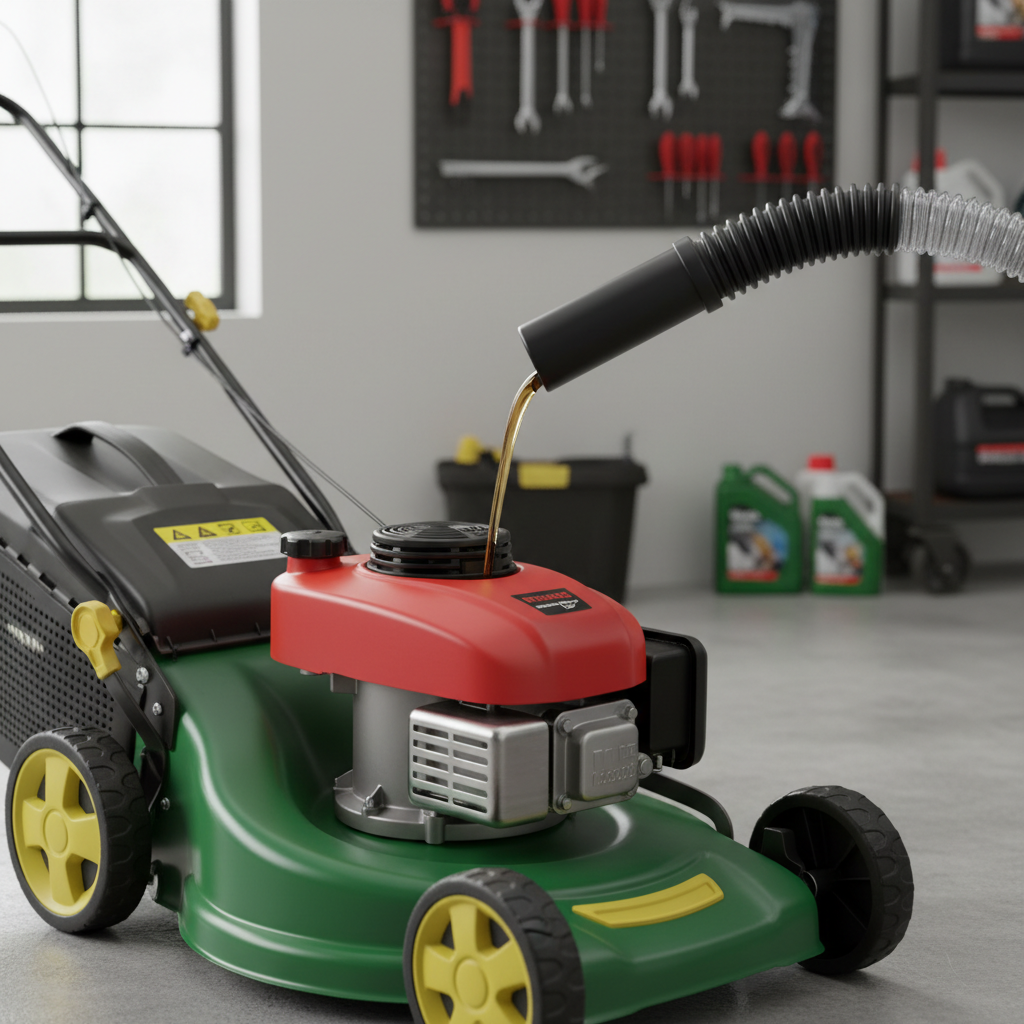
This guide breaks down why flexible nozzles work, how to tell which one fits your can and your use case, and what to watch for around safety and regulations. You will also get a quick comparison table and a practical checklist you can follow the next time you buy a replacement spout.
Why flexible fuel can nozzles spill less in real-world use
A rigid spout looks simple, but in daily use it often fights you, the can sits too high, the angle is wrong, and you end up tipping faster than you want. A flexible nozzle gives you control where it matters, right at the last few inches.
- Better alignment with tight filler necks, especially on small engines where the opening sits behind a shroud or under a handle.
- Smoother, slower starts, many flexible designs let you position first, then open the vent or valve, so the first surge is less dramatic.
- Less “glugging”, when air cannot replace fuel smoothly, flow pulses, a spout paired with a working vent often reduces that.
- Reduced wrist strain, you bend the spout instead of twisting the whole can into a weird posture.
One thing that trips people up: “flexible” does not automatically mean “safer” or “compliant.” Some flexible replacement spouts are built better than others, and some are marketed as universal even when they fit poorly.
Quick self-check: Do you actually need a flexible spout?
If you are unsure whether to switch, this quick list usually makes it obvious. If you answer yes to two or more, a flexible option tends to be worth it.
- You fuel equipment with small or recessed openings (chainsaw, mower, generator, pressure washer).
- You often pour in windy or low-light conditions, like a jobsite or storm outage.
- You have to hold the can above shoulder height for certain tanks.
- Your current spout is stiff, cracked, missing a seal, or takes two hands to operate.
- You routinely get drips down the side of the tank even when you pour slowly.
On the other hand, if you mostly fuel a wide, easy-to-reach automotive filler, a flexible nozzle may feel unnecessary, and a high-flow rigid spout can be simpler.
Types of flexible fuel can nozzles, and who each one suits
Most flexible spouts fall into a few common designs. The “best” choice depends on how your can vents, what you fuel, and how much you care about spill-proof features versus speed.
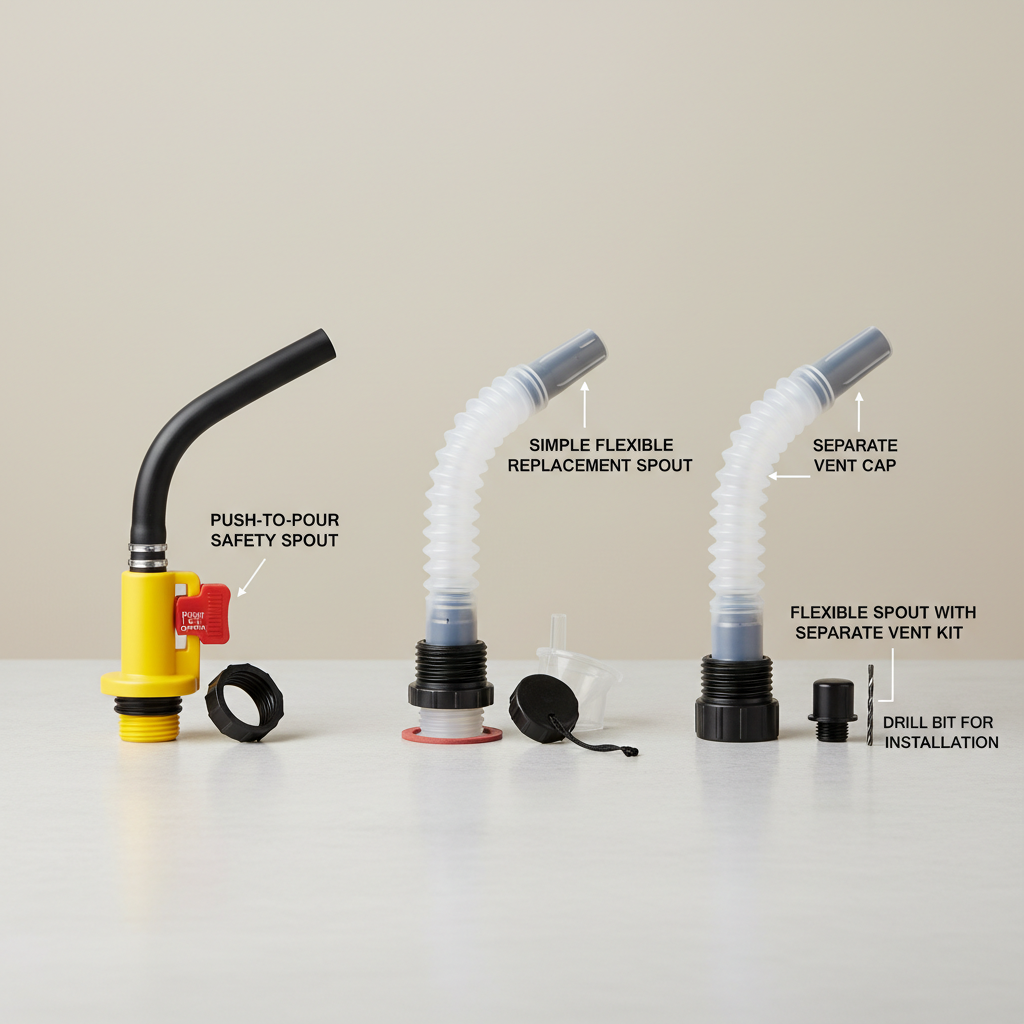
Flexible spout with push-to-pour safety valve
Common on newer consumer cans, you press a tab or collar to open flow. This reduces accidental pours, but it can be finicky when you are balancing a heavy can.
- Good for: occasional home use, garage storage, reducing accidental spills
- Watch for: stiff springs, poor seals, slow flow when venting is weak
Simple flexible replacement spout with cap and gasket
Usually a bendable tube with a threaded collar and a gasket. Flow control comes from how you tip and whether the can has a separate vent.
- Good for: users who want simplicity and easy parts replacement
- Watch for: compatibility with your can’s thread pattern and collar depth
Flexible spout plus separate vent kit
This combo often pours smoother because air enters as fuel leaves. Not every can supports vents, and adding a vent may affect compliance depending on product design and local rules.
- Good for: frequent fueling where smooth flow matters
- Watch for: installation quality, sealing, and storage leaks
Compatibility matters more than “universal”: what to check before buying
Most frustration comes from buying a “universal” spout that technically attaches but never seals quite right. Spend two minutes checking these points and you avoid 80% of returns.
- Thread size and pitch: gas can collars vary widely by brand and model year.
- Collar depth: some collars bottom out before compressing the gasket, which causes seepage.
- Gasket material: look for fuel-resistant rubber, a hard plastic washer often leaks over time.
- Spout diameter: too large for small-engine openings equals splashback, too small equals painfully slow flow.
- Vent strategy: no vent is not a deal-breaker, but you may need to pour slower and keep the spout seated.
According to the U.S. Environmental Protection Agency (EPA), portable fuel containers are subject to evaporative emission requirements, which is part of why modern spouts look more complex than older designs. If you are buying replacements, it is smart to confirm the spout is intended for your can’s style rather than assuming every flexible tube is interchangeable.
Flexible spout comparison table (what you gain, what you give up)
Use this as a quick decision filter. In practice, most people pick between “spill resistance” and “speed,” then work backward from there.
| Option | Pour control | Flow speed | Leak risk in storage | Best for |
|---|---|---|---|---|
| Push-to-pour flexible nozzle | High | Medium to slow | Low when seals are good | Home garages, occasional fueling |
| Simple flexible replacement spout | Medium | Medium | Medium (depends on gasket) | General equipment fueling, backups |
| Flexible spout + vent kit | High | Fast | Medium to high if installed poorly | Frequent fueling, smoother pours |
How to pour cleaner with a flexible nozzle (simple routine)
Even a good fuel can nozzle flexible spout can make a mess if the pour routine is chaotic. This is the low-drama way most pros do it.
- Set the spout angle first, seat it in the filler neck before tipping the can.
- Start slow, tip until you feel flow, then hold for a second to stabilize.
- Use the can’s vent correctly, if your model has a vent, open it before you pour, close it before you move the can back.
- Stop early, small tanks fill quickly, when you hear pitch change or see fuel rise, pause and reassess.
- Let the last drops drain, keep the spout in place for a beat before pulling away.
For small engines, it also helps to keep a small rag nearby, not because you expect a spill, but because a single drip on hot equipment is where odors and stains start.
Common mistakes that cause leaks, odor, and premature failure
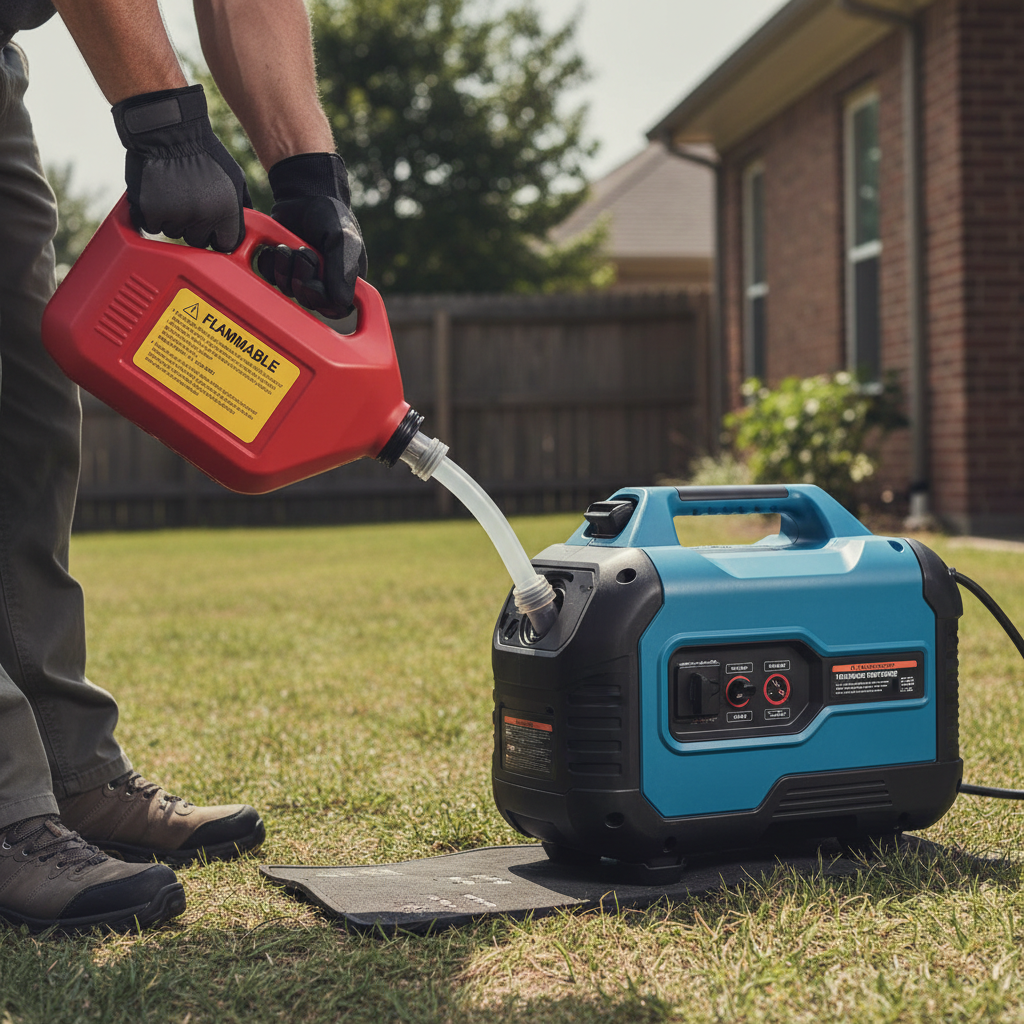
A flexible spout is still a wear item. Many problems show up because parts get forced or stored with fuel residue where it should not sit.
- Overtightening the collar, this can warp gaskets and create slow seepage that you only notice by smell.
- Skipping gasket inspection, a flattened or cracked seal is a leak waiting to happen.
- Storing the can with the spout under tension, leaving the spout bent for weeks can stress the joint and threads.
- Mixing parts across brands, collars and gaskets that almost fit tend to fail at the worst moment.
- Pouring too fast to “beat the glug”, that usually increases splashback, slow and steady works better.
If you smell fuel around stored cans, treat it as a real signal, not an annoyance. Move the can to a ventilated area and check seals, threads, and caps before using again.
When to replace parts, and when to ask for help
Some issues are simple maintenance, others are a sign the can or spout should leave rotation. If you are unsure, err on the cautious side.
- Replace the gasket if you see flattening, cracks, swelling, or a persistent sheen around the collar after wiping clean.
- Replace the spout if it no longer holds its shape, has stress marks near the base, or drips even with a good gasket.
- Replace the entire can if the neck threads strip, the body deforms, or you see damage that could compromise containment.
According to the National Fire Protection Association (NFPA), gasoline should be handled and stored in approved containers, and ignition sources should be controlled around fueling. If you deal with repeated leaks, strong fumes, or you are fueling in a commercial setting with specific compliance requirements, it may be worth checking with your safety manager, local fire authority, or a qualified professional for guidance that matches your environment.
Key takeaways before you buy your next flexible spout
- Fit and sealing matter more than “universal” marketing, verify threads, collar depth, and gasket quality.
- Match the design to your fueling habits, spill-proof valves help casual use, vented setups often help frequent fueling.
- Technique still matters, seat the spout, start slow, and let it drain before removing.
- Smell is a warning, persistent odor usually means a seal, cap, or storage issue worth fixing now.
Conclusion: a flexible nozzle is only “easy” when the details are right
A fuel can nozzle flexible spout can genuinely make fueling calmer and cleaner, but it is not magic, you need good compatibility, a healthy gasket, and a pour routine that avoids rushing. If you want a practical next step, inspect your current spout for sealing and stiffness, then measure your can collar and compare it to replacement specs before you click buy.
If you are shopping for multiple cans, consider standardizing brands or at least thread styles, it saves you from keeping a box of almost-right parts that never seal the same way twice.
FAQ
What makes a flexible fuel spout better than a rigid one?
Flexibility helps you align the tip with awkward filler necks, so you can control the last inches of the pour. In many setups that alone cuts splashback and drips.
Why does my flexible nozzle still “glug” and spit?
Glugging usually comes from poor venting, air cannot enter the can smoothly as fuel exits. Pouring slower helps, and some cans work better with a properly designed vent system, though compatibility and compliance vary.
Are flexible replacement spouts legal everywhere in the U.S.?
Rules and product designs can vary, and retailers often sell spouts intended for specific container types. It is smart to check your can’s requirements and local guidance, especially for workplace use.
How do I know which replacement spout fits my gas can?
Check the collar thread size and depth, then confirm the replacement kit lists your brand or thread style. If the gasket does not compress evenly, you may get odor or seepage even if it “fits.”
Should I add a vent to my gas can?
In many situations a vent improves flow and reduces pulsing, but adding or modifying vents can affect emissions features and may not be appropriate for every container. If you are unsure, follow the can manufacturer’s guidance or consult a professional.
Why does my can smell like gas even when it is closed?
A faint odor can happen around fuel, but a strong, persistent smell often points to a compromised seal, residue on the outside, or a cap that does not seat. Wipe down the can, inspect gaskets, and store it in a ventilated, approved area.
How often should I replace the gasket on a flexible spout?
There is no single schedule, it depends on use, fuel exposure, and storage conditions. Replace it when you see cracking, flattening, swelling, or when seepage appears after tightening correctly.
If you are trying to reduce spills fast, a good approach is choosing a flexible nozzle that clearly matches your can model and comes with a fuel-resistant gasket, then keeping one spare seal in your toolbox so a small leak never turns into a “whole-can” problem.