
Retractable utility knife blade choices seem simple until you’re halfway through a job and the knife starts dragging, skipping, or feeling unsafe in your hand. If you’ve ever swapped blades too late, snapped one at the worst moment, or bought “universal” refills that didn’t fit, you already know the frustration.
The good news is that most cutting problems come from a few predictable mismatches: blade type vs material, the wrong edge geometry, or a knife body that doesn’t lock confidently. Fix those, and you get cleaner cuts, fewer do-overs, and less temptation to push harder than you should.
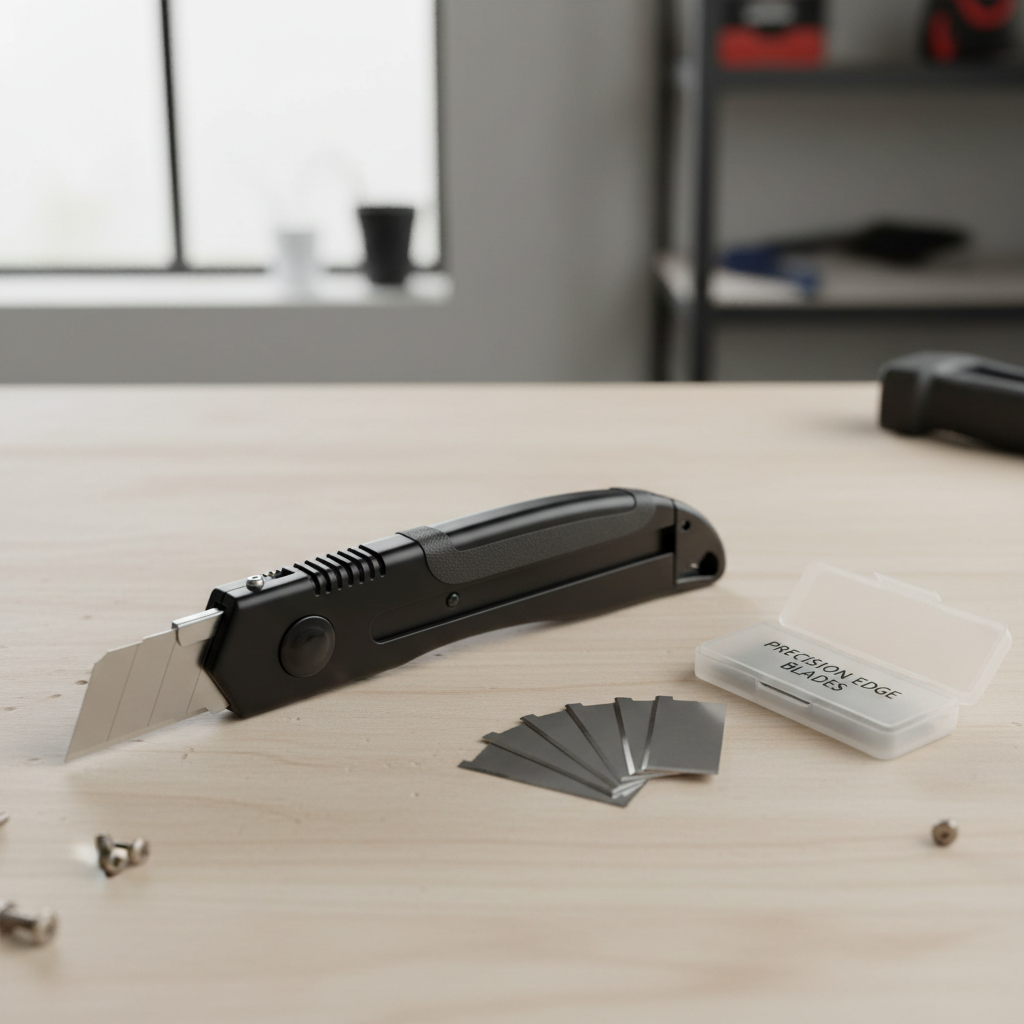
This guide breaks down what matters when buying a retractable knife and replacement blades, how to tell when a blade is truly “done,” and how to set up a safer workflow. You’ll also get a quick comparison table and practical tips that fit typical U.S. DIY, warehouse, and jobsite use.
What a Retractable Utility Knife Actually Solves (and What It Doesn’t)
A retractable knife is mainly about control: extending only as much edge as you need, then pulling it back when you move, climb a ladder, or reach into a pocket. That single habit prevents a lot of avoidable nicks and damaged materials.
Still, a retracting mechanism can’t compensate for a dull edge or a bad technique. If you’re forcing the cut, twisting the blade in the material, or using the wrong blade style for the job, the risk goes up even if the knife retracts perfectly.
- Great for: box cutting, drywall scoring, carpet and vinyl, foam board, shrink wrap, light scraping (with the right blade).
- Not ideal for: prying, heavy scraping with thin blades, cutting hardened materials, tasks where a fixed blade or specialty tool is safer.
Blade Types: Why “Utility Blade” Isn’t One Thing
Most people buy a pack labeled “utility blades” and call it a day. In practice, edge type and coating matter more than the packaging.
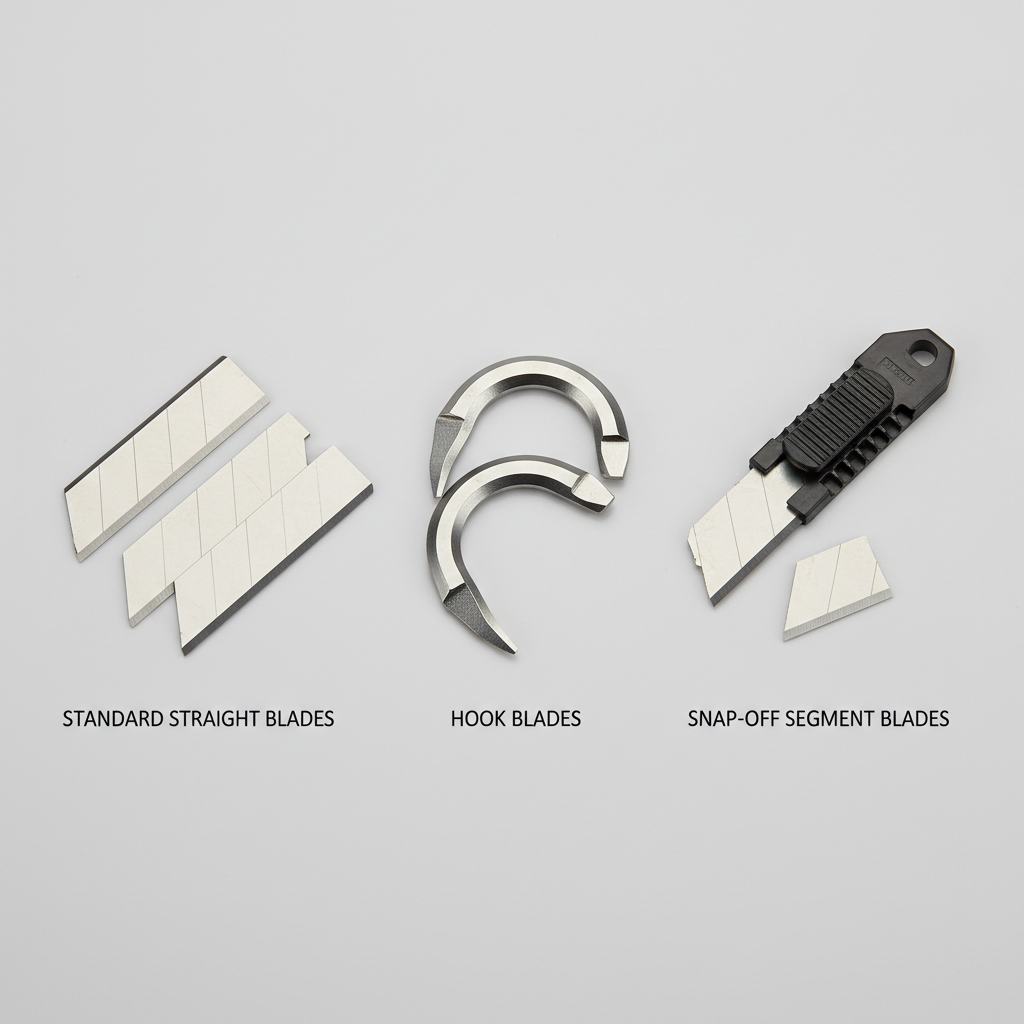
Straight (standard) blades
These are the everyday choice for cardboard, paperboard, foam, and general shop work. They’re inexpensive, widely compatible, and easy to find at any hardware store.
Hook blades
Hook shapes bite into material without digging deep, which helps with roofing felt, carpet backing, shrink wrap, and situations where you want to protect what’s underneath. They’re a good “damage control” option.
Snap-off segment blades
Often used for precision work like wallpaper, thin plastics, and craft tasks, where a fresh tip matters. They’re convenient but can be weaker for thick, tough cuts.
Coated or “premium” blades
Coatings (often intended to reduce friction and corrosion) can feel noticeably smoother on repetitive cuts. Whether they’re worth it depends on workload: a warehouse opener might love them, a casual DIYer might not notice.
Key point: If you frequently cut heavy corrugate and your blade dulls fast, you may need a tougher edge style or you may simply be extending too much blade. Those two issues look similar in real life.
How to Choose the Right Knife Body (Lock, Retraction, Handle)
When people complain about a retractable knife, they’re usually complaining about the lock, even if they don’t phrase it that way. A blade that creeps inward mid-cut causes ragged cuts and encourages extra pressure.
- Lock type: Look for a positive lock that resists back-pressure. A solid lock matters more than fancy styling.
- Retraction style: Auto-retract models can reduce accidents, but some users find them annoying for long scoring passes. Manual retract gives more control but demands better habits.
- Handle grip: Rubber overmold or textured metal helps when gloves, dust, or humidity show up.
- Blade change design: Tool-free changes are convenient, but only if the mechanism holds tight after repeated swaps.
- Storage: On-board blade storage is useful for job sites, less important if you already run a blade dispenser system.
Quick Comparison Table: Match Blade + Knife to the Job
Use this as a starting point, then adjust based on what you cut most often and how often you can realistically change blades.
| Use case | Recommended blade style | Knife features to prioritize | Common mistake |
|---|---|---|---|
| Opening lots of boxes (warehouse) | Straight, coated/premium optional | Strong lock, fast blade change | Running a dull edge too long |
| Cutting shrink wrap / strapping | Hook blade | Auto-retract or short extension stops | Using straight blade and slicing products |
| Drywall scoring | Straight (sharp, frequent changes) | Rigid handle, stable lock | Extending too far, snapping tips |
| Carpet / vinyl flooring | Hook or heavy-duty straight | Comfort grip, easy swaps | Trying to “power through” in one pass |
| Detail trimming / light craft work | Snap-off segment blade | Fine control, slim body | Using snap-off blades for thick corrugate |
Self-Check: Signs You’re Using the Wrong Blade (or a Dull One)
Before you buy a new tool, check whether the issue is the edge, the blade type, or how far you extend it. This short list usually reveals the real culprit.
- You need multiple passes on cardboard that used to cut cleanly in one pass.
- The blade snags and tears fibers instead of slicing, especially on corrugate.
- You’re pressing harder and your wrist starts compensating to keep the cut moving.
- The blade tip chips or breaks when turning corners, common when too much edge is exposed.
- The blade slides back during the cut, often a lock problem rather than blade quality.
If two or more show up at once, swapping in a fresh retractable utility knife blade is usually the fastest “test.” If the problem remains with a new edge, look at blade style or the knife lock.
Practical Cutting Setup: Safer, Cleaner Cuts in 5 Minutes
Most accidents happen when the work surface shifts, the cut line isn’t supported, or the user tries to “save” a blade for one more box. Small setup changes do more than people expect.
1) Extend less blade than you think
A good rule is to expose just enough edge to clear the material thickness. Less exposure reduces flex, reduces tip breakage, and helps the lock stay stable under load.
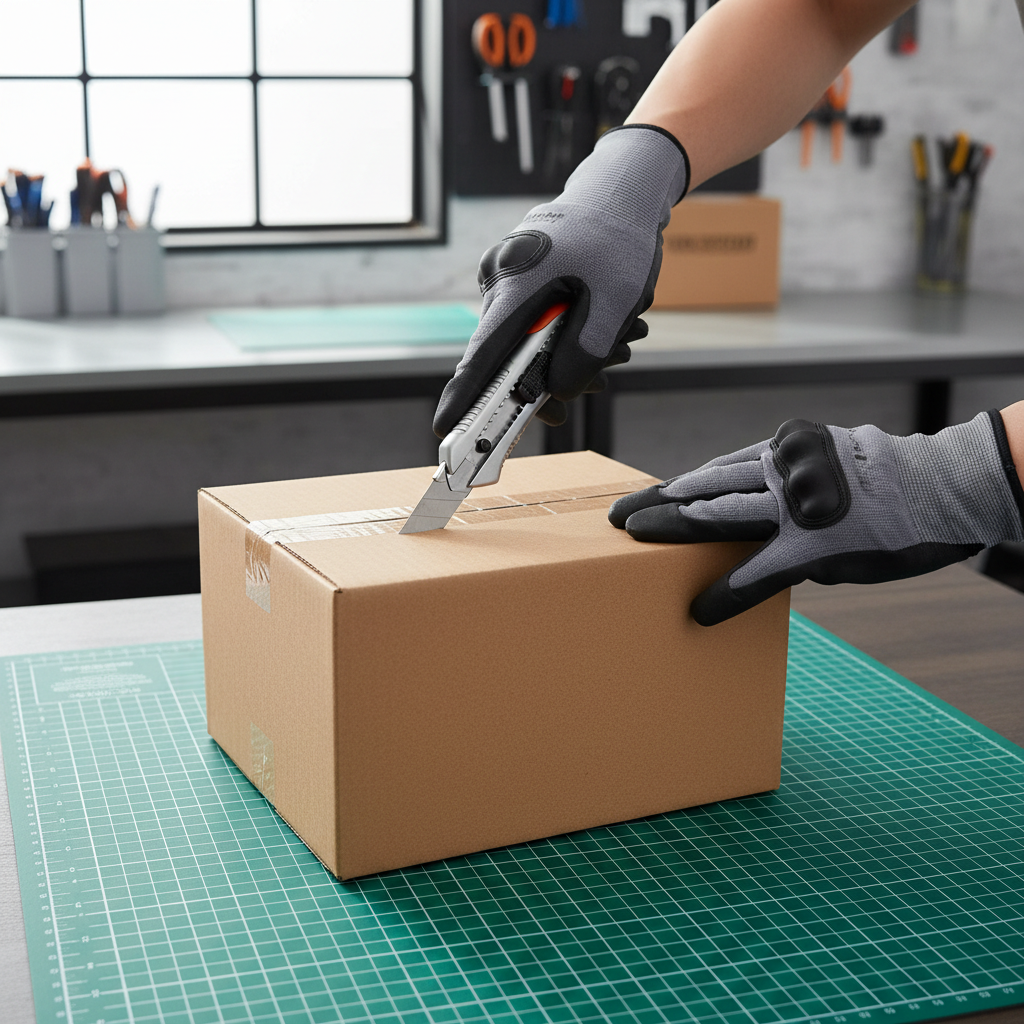
2) Use a sacrificial surface
Cutting directly on concrete, metal, or finished wood dulls edges quickly and can cause the blade to skip. A scrap board, cutting mat, or even a thick piece of cardboard often improves control.
3) Change blades earlier, not later
Dull blades invite extra force. That’s where slips happen. Keep replacements close so changing a blade feels like a normal step, not an interruption.
4) Cut away from your body, but also away from “bounce zones”
In real jobs, “away from your body” is not always the full story. Think about what happens if the blade exits the cut suddenly. Don’t aim at your off-hand, your thigh, or a surface that might cause a rebound.
5) Dispose of used blades responsibly
Used blades can puncture trash bags and injure someone later. A blade bank or a rigid container with a secure lid is a simple fix.
Safety Notes and Common Misconceptions
Utility knives are “simple,” which is exactly why people get casual with them. Keep these in mind when you’re working fast.
- Misconception: “A sharper blade is more dangerous.” In many situations, a dull edge causes more slips because it needs more force. Safety still depends on technique.
- Misconception: “All blades fit all knives.” Many standard utility blades are interchangeable, but not all. Some knives use proprietary shapes or thicker stock.
- Don’t pry: Thin blades can snap. If you need leverage, use a pry tool.
- Watch the lock: If the blade retracts under pressure, stop using that knife until you fix or replace it.
According to OSHA, employers are expected to address cutting hazards through training, safe tools, and proper work practices. If you’re buying for a team, choosing a safer retracting design and setting a blade-change routine can reduce preventable incidents.
When It Makes Sense to Ask for Help (Workplace and Injury Situations)
If a facility has frequent cut injuries, the answer is rarely “buy a tougher blade” alone. It may be a process issue, the wrong tool for the task, or missing PPE. A safety manager or a qualified professional can help evaluate controls, especially in high-volume cutting environments.
If someone gets cut and bleeding won’t stop, or if the wound looks deep, seeking medical care is usually the safer move. This article can’t diagnose injuries, and workplace protocols may require reporting and evaluation.
Key Takeaways Before You Buy
- Match blade style to material (hook blades prevent many product-damage mistakes).
- Prioritize a solid lock over extra features; blade creep ruins cuts and increases risk.
- Change blades early and keep replacements within reach so you don’t “push through.”
- Extend minimal blade for cleaner cuts and fewer snapped tips.
If you want one practical next step, pick the top two materials you cut each week, then buy blades specifically for those tasks and test them for a few days. That small experiment usually clears up the confusion fast.
FAQ
What is a retractable utility knife blade used for most often?
It’s commonly used for opening boxes, trimming materials like foam board, scoring drywall, and general shop or jobsite cutting. The retractable feature helps reduce exposed-edge time between cuts.
How often should I replace utility knife blades?
It depends on what you cut and how abrasive it is. Cardboard dulls edges faster than many people expect, so frequent light users may replace weekly, while high-volume users may swap multiple times per shift.
Are hook blades safer than straight blades?
In many packaging and wrap-cutting tasks, hook blades can reduce accidental deep cuts into the product because the cutting point is more controlled. They’re not “risk-free,” but they often fit the job better.
Why does my blade keep retracting while I’m cutting?
Usually it’s a lock that isn’t holding under load, or the blade is extended too far and flexing. Try minimal extension and a fresh blade first; if it still creeps, consider a knife with a stronger locking mechanism.
Do all utility knife blades fit all retractable knives?
No. Many standard blades are compatible, but some knives use proprietary blade shapes or thicknesses. It’s worth checking the knife manual or packaging before buying refills in bulk.
Is it okay to snap a blade to “refresh” the edge?
That applies mainly to snap-off segment blades, and even then you should snap using the designed tool or a safe method to control the fragment. For standard utility blades, replace rather than snap.
What’s the safest way to store used blades?
A blade bank or a rigid, puncture-resistant container with a secure lid works well. Avoid tossing loose blades into general trash where they can cut someone later.
If you’re trying to standardize a retractable knife setup for a team, or you just want a more hassle-free kit for your garage, focus on a reliable knife body and two blade types you actually use, that small pairing usually beats buying the biggest variety pack and hoping for the best.