
Knee pads for flooring work can be the difference between finishing a full install feeling fine or limping to the truck with hot, irritated knees. If your pads slide, pinch behind the knee, or leave you sore after an hour, it’s not just annoying, it can slow you down and make your kneeling technique worse.
Flooring is repetitive by nature, kneel, stand, shuffle, reach, repeat, and your body notices every shortcut. The right pads help spread pressure, protect your kneecap, and keep you stable on slick surfaces, but only if they match the kind of work you actually do.
This guide breaks down what matters most, fit, padding types, strap setups, and when to switch styles. I’ll also call out common buying mistakes and give a quick setup checklist you can run through before your next job.
Why flooring work beats up your knees (and what good pads really do)
Kneeling on subfloor, concrete, thin underlayment, or finished hardwood creates high point pressure on the kneecap and the tissue around it. Over time, that can mean bruising, numbness, swelling, or a sharp ache when you stand up, even if you consider yourself in good shape.
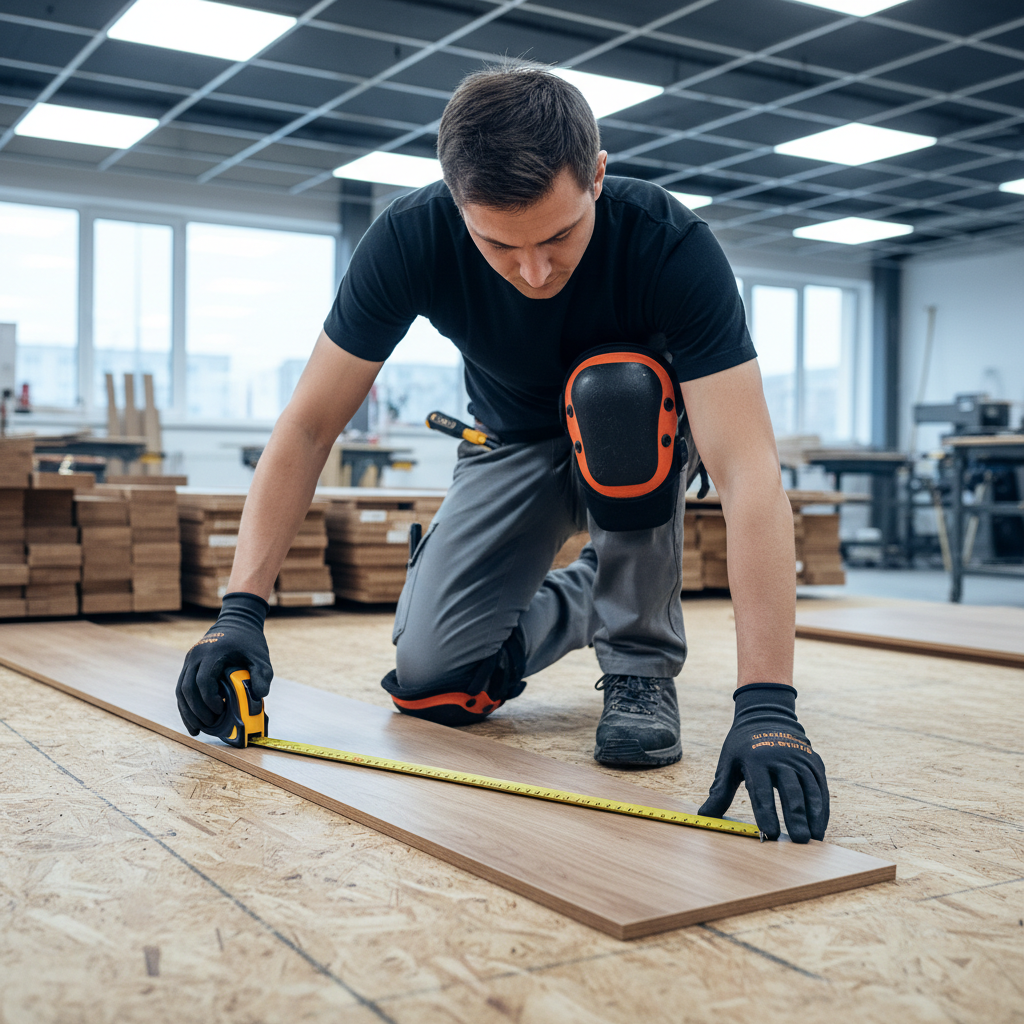
Good knee protection is less about “thick padding” and more about pressure distribution and stability. The best setups typically do three jobs at once:
- Spread load across a wider area so you’re not kneeling on one painful spot.
- Stay planted so you don’t micro-slide and tense your hips and back all day.
- Move with you when you shuffle, pivot, and stand, without cutting circulation.
According to NIOSH, reducing physical strain and using protective equipment can help lower risk from repetitive, awkward postures. Knee pads won’t solve every issue, but they’re a practical lever you control daily.
Quick self-check: what kind of kneeler are you on the job?
Before you shop, get honest about how you work. A pad that feels great standing in the aisle might fail fast once you start sliding down a hallway on your knees.
Use this 60-second checklist
- Surface: Mostly concrete/subfloor, or mostly finished flooring?
- Movement: Do you shuffle on knees a lot, or kneel in place and stand often?
- Duration: Short bursts, or hours at a time?
- Sensitivity: Do straps irritate behind the knee, or do you get kneecap tenderness?
- Finish risk: Are you working on prefinished hardwood or delicate tile edges?
- Heat: Do you sweat under pads and get skin irritation?
If you’re on finished surfaces all day, you usually want a softer, non-marring cap. If you’re on rough subfloor or concrete, you may prioritize durability and load spreading, even if it’s bulkier.
Choosing knee pads for flooring work: what to look for (without overthinking it)
The shopping page will throw a lot of terms at you, gel, foam, EVA, hard cap, swivel cap. The trick is linking features to your day-to-day movement.
Padding: gel vs foam vs layered designs
- Gel: Often feels plush at first and can reduce sharp pressure, but some gel designs bottom out over time depending on build quality and your weight.
- Foam (EVA/PU): Lighter and stable, good for long wear, but can feel too firm on concrete if it’s thin or low density.
- Layered padding: Many pros prefer a layered stack (firm support plus softer comfort layer) because it resists bottoming out and still feels forgiving.
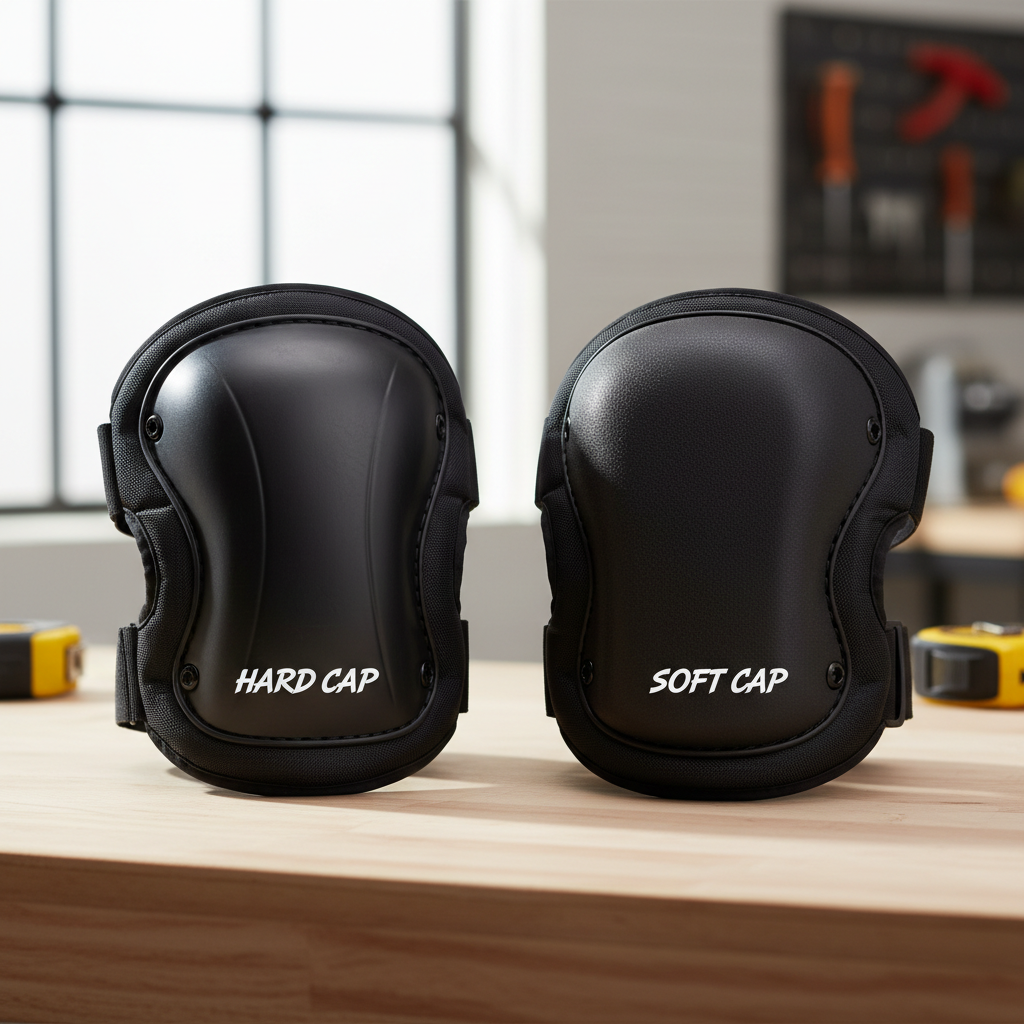
Cap style: hard cap, soft cap, swivel cap
- Hard cap: Durable and slides well on rough surfaces, but can scuff finished flooring unless it’s non-marring and clean.
- Soft cap: Better on finished hardwood and tile, usually quieter and less likely to scratch, but wears faster on abrasive subfloor.
- Swivel/rolling cap: Helps you pivot while staying planted, useful for installers who twist a lot, but it can feel unstable for some people.
Straps and sleeves: comfort is usually won or lost here
A lot of discomfort comes from strap placement, not padding. For many people, a single tight strap behind the knee causes rubbing or a burning sensation after an hour.
- Wide neoprene straps often spread pressure better than thin webbing.
- Two-strap systems can stabilize better, but you’ll want them positioned above and below the bend, not right in the crease.
- Sleeve-style pads reduce strap bite and keep dust out, but can run hot in summer or tight spaces.
If you already own decent pads and still hate them, consider that your fix might be straps or sizing, not a whole new model.
Fit and setup: small adjustments that change everything
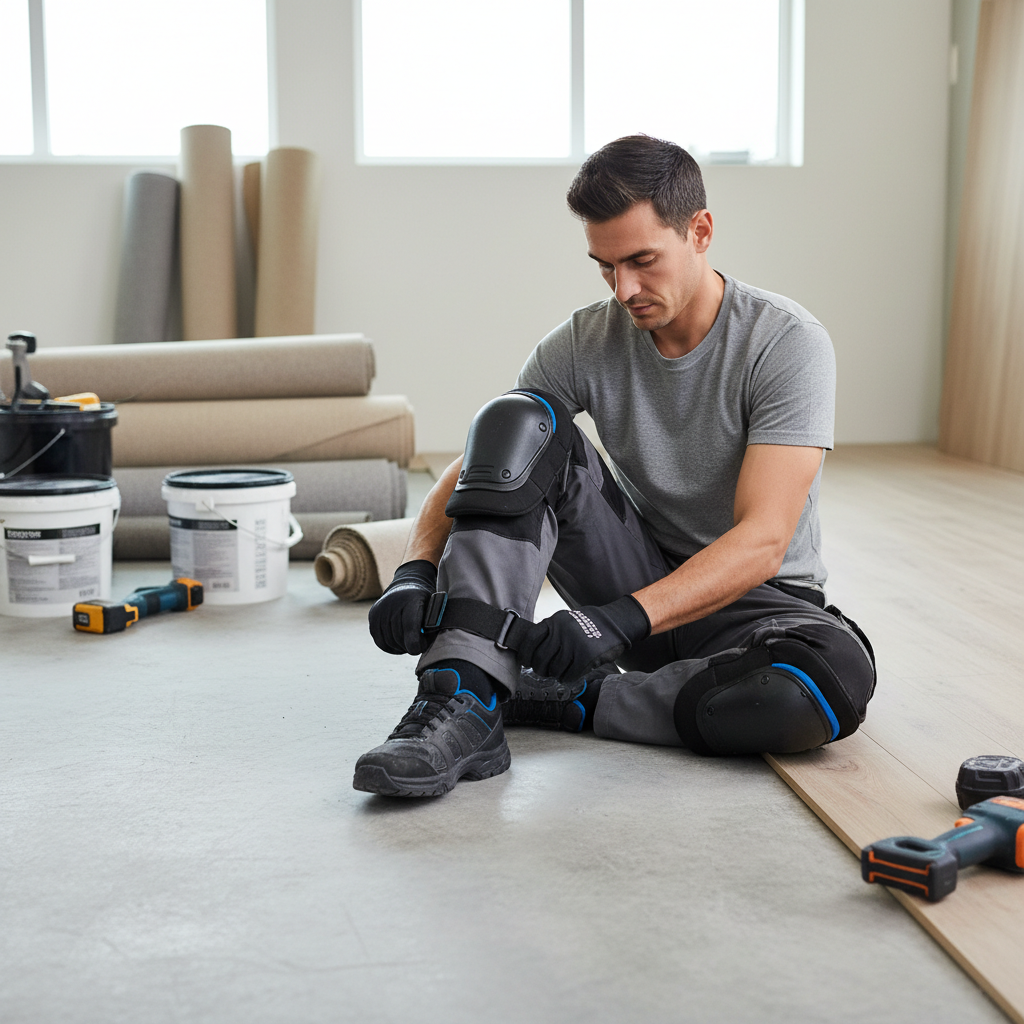
Even high-end knee pads for flooring work can feel terrible if they sit too low, or if you tighten them like a tourniquet to stop slipping. You want secure, not restrictive.
Dial-in steps you can do in 3 minutes
- Position: Start slightly higher than you think, then kneel and let them settle. The cap should center under the kneecap when loaded.
- Strap tension: Tighten until sliding stops, then back off a touch. If your foot tingles later, it’s too tight.
- Strap placement: Avoid sitting a strap directly in the knee crease. Move it up or down so it contacts flatter tissue.
- Clothing: Try pads over a thin base layer if you’re getting chafing, but keep the fabric smooth to avoid bunching.
- Keep caps clean: Dust and grit trapped on the cap can scratch floors and also cause micro-slips.
If your pads still drift, the issue is often shape mismatch, some pads fit narrow legs poorly, others don’t hug the shin well. That’s a design mismatch, not a “you problem.”
Best match by scenario: a practical comparison table
This isn’t about brand names, it’s about picking a style that fits your surfaces and your movement pattern.
| Flooring scenario | What usually works well | Watch-outs |
|---|---|---|
| Concrete or rough subfloor all day | Thicker layered padding, durable cap, wide straps | Bulky pads can snag when you stand or climb |
| Prefinished hardwood installs | Non-marring soft cap or clean non-marking hard cap | Grit on caps can still scratch, clean often |
| Tile work with lots of pivoting | Stable padding with controlled pivot cap | Too much swivel can feel unstable on grout lines |
| Frequent stand-kneel cycles (trim, transitions) | Lighter pads, easy on/off, flexible straps | Ultra-light pads may bottom out on hard surfaces |
| Hot environments, long wear | Breathable sleeve or ventilated design | Sleeves can trap sweat, wash regularly to avoid irritation |
Common mistakes that make knee pads feel worse
A few habits turn decent pads into a daily headache. These come up a lot on crews, especially when people buy once and just “make it work” for years.
- Over-tightening straps to stop sliding, which creates numbness and skin irritation.
- Ignoring pad height, too low means you kneel on the lower edge, not the cushion.
- Using one pad for every job, soft cap on subfloor gets shredded, hard cap on finished floors risks scuffs.
- Not cleaning caps, grit turns into sandpaper on hardwood and also reduces traction.
- Waiting too long to replace, compressed padding stops protecting even if the exterior looks fine.
According to OSHA, employers and workers should address recognized hazards and use appropriate protective gear. If you’re consistently sore, treat it like a signal, not just “part of the job.”
When knee pain means you should pause and get help
Most discomfort is fit, padding, or workload, but some symptoms should push you to slow down and consider professional advice. This isn’t medical guidance, just a practical safety line.
- Swelling that persists after rest, or warmth around the joint
- Sharp pain when kneeling or standing that doesn’t improve with better support
- Locking, instability, or feeling like the knee may give out
- Numbness or tingling down the leg, especially if straps are not overly tight
If any of these show up, it may be worth talking with a clinician or physical therapist, especially if your workload stays heavy. In many cases, earlier input prevents months of “pushing through” something that needs a different plan.
Key takeaways you can use on your next job
- Comfort comes from fit and stability, not just thicker padding.
- Match cap style to the surface, soft for finished floors, tougher for rough substrate.
- Strap placement matters, avoid the knee crease and don’t over-tighten to stop slipping.
- Clean caps and replace pads when cushioning compresses, even if they look okay.
If you want one next step, do this: kneel for two minutes with your current setup, then stand, if you feel a sharp pressure point or strap bite, adjust height and straps before you buy anything new.
FAQ
What are the best knee pads for flooring work on hardwood?
Many installers prefer a soft, non-marring cap or a hard cap specifically marketed as non-marking. The bigger deal is keeping the contact surface clean, grit causes scratches even with “safe” materials.
Are gel knee pads better than foam for installers?
Gel can feel more comfortable at first, especially on concrete, but durability varies. If you kneel for long stretches, a layered design often holds support longer than very soft gel that may compress.
Why do my knee pads keep sliding down?
It’s usually pad shape or strap placement, not just loose straps. Try positioning the pad slightly higher and moving straps away from the knee crease, if it still slides, you may need a different contour or a sleeve-style fit.
Can knee pads cause numbness behind the knee?
Yes, especially with narrow straps tightened too much. Loosen slightly, switch to wider straps or a sleeve system, and if numbness continues, consider checking with a professional since circulation and nerve irritation can be more complex.
How tight should flooring knee pads be?
Tight enough that they don’t drift when you shuffle, loose enough that you can flex the knee without pressure in the crease. A good test is to kneel, stand, and walk a few steps, then reassess tension.
How often should I replace knee pads used for flooring?
When padding stays compressed, you feel hard contact sooner, or straps lose elasticity, protection drops even if the exterior looks intact. Heavy daily use tends to shorten replacement cycles compared with occasional weekend projects.
Do I need different knee pads for tile vs vinyl plank?
Often, yes. Tile work may involve more pivoting and kneeling on harder surfaces, while vinyl plank on finished areas may prioritize non-marring contact. Some people keep two pairs and swap based on the room.
If you’re dialing in a setup for long installs and want less trial-and-error, it helps to list your surfaces, kneeling time, and finish sensitivity, then choose a pad style around that reality rather than a generic “pro” label.