
how to choose safety glasses for woodworking comes down to three things that matter in a real shop: impact rating, coverage, and comfort you can tolerate for hours.
If your glasses fog up, slide down your nose, or leave gaps at the sides, they tend to end up on the bench instead of on your face. That’s when a “quick cut” turns into a chip in the eye, and it’s a miserable way to learn what matters.
This guide walks through safety ratings, lens materials, fit choices, and a few practical “buy once, cry less” tips, plus a quick checklist you can use before you click Add to Cart or walk into the hardware aisle.

What hazards your eyewear needs to handle in a wood shop
Woodworking eye injuries usually aren’t dramatic, they’re annoying and sudden: a dust blast when you pull a board off the jointer, a small chip ricocheting off a blade, a wire-brush fragment, even a snapped-off brad.
Different tasks push different requirements, so it helps to match the glasses to what you actually do.
- High-velocity chips: table saw, miter saw, router, planer, jointer, lathe.
- Fine dust and irritation: sanding, MDF cutting, drywall-adjacent shop work.
- Chemical splash risk: finishes, solvents, epoxy, cleaners (often better handled by goggles).
- Secondary hazards: glare, low light, fogging from respirators, earmuff pressure.
According to OSHA, employers must ensure appropriate eye and face protection when hazards from flying particles or harmful liquids are present, and that protective eyewear meets relevant standards.
Start with the ratings: Z87.1, Z87+, and why they matter
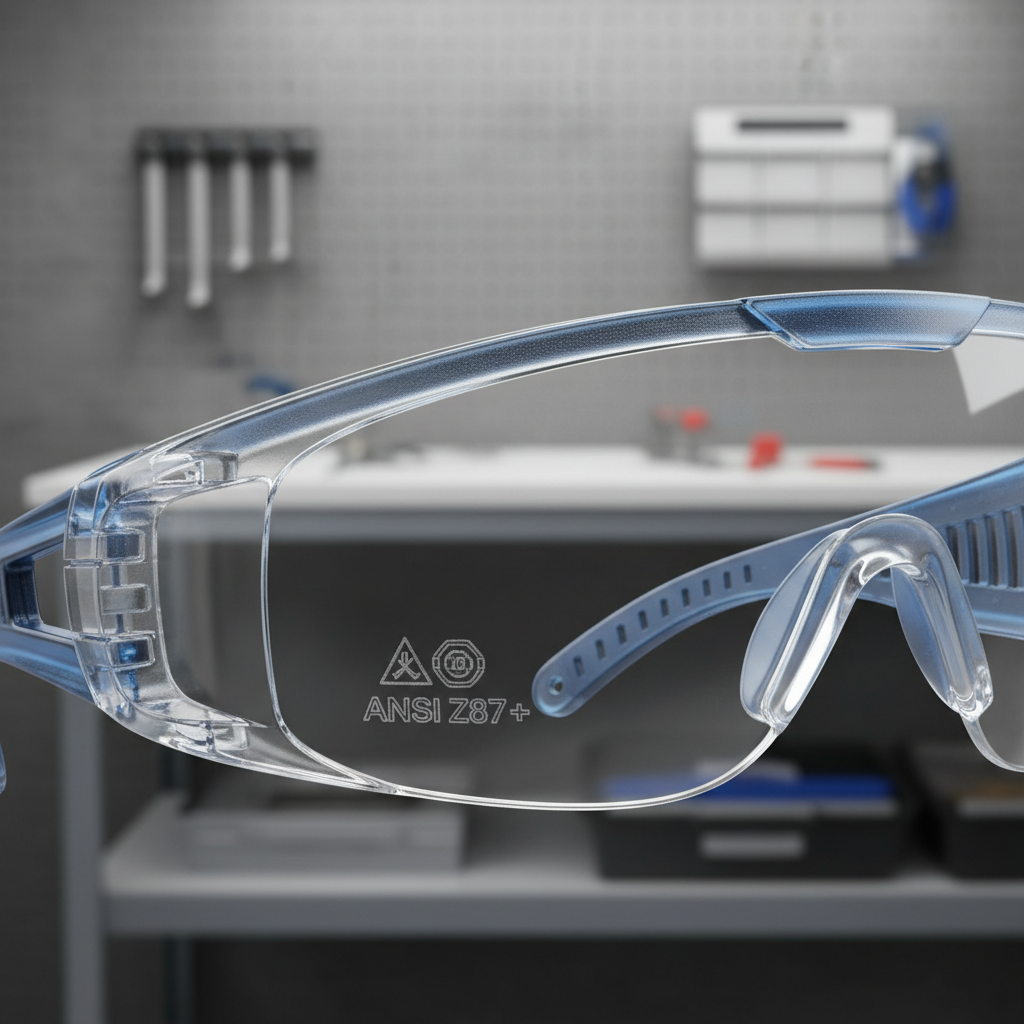
When people ask how to choose safety glasses for woodworking, the most useful shortcut is: look for ANSI/ISEA Z87.1 markings, not just “impact resistant” marketing text.
Quick decoding
- Z87: meets basic impact requirements for eye protection under ANSI/ISEA Z87.1 testing.
- Z87+: marked for high impact protection, typically the safer default for power tools that throw chips.
- Marking location: often on the lens or frame. If you can’t find it anywhere, treat that as a red flag.
Also watch out for confusion between fashion “polycarbonate lenses” and true safety eyewear. Polycarbonate helps, but the standard and the design coverage are what make it real protection.
Lens and frame choices that actually change comfort (and whether you’ll wear them)
Once you’ve got the safety rating handled, comfort is the make-or-break. In many home shops, the “best” glasses are the ones you keep on through setup, test cuts, and cleanup.
Lens material (what you feel day to day)
- Polycarbonate: common for safety eyewear, usually lightweight and impact resistant; can scratch if coating is weak.
- Trivex: often clear with good optical quality and toughness; sometimes pricier, but many people find it more pleasant for long sessions.
Coatings that matter in a shop
- Anti-fog: valuable if you wear a dust mask or respirator; not all anti-fog is equal, and some needs occasional reapplication.
- Anti-scratch: helps if you’re tossing glasses on a bench, in a drawer, or into a tool bag.
- UV protection: nice if you move between shop and outdoor cutting, though it’s not the core woodworking risk.
Frame style (coverage beats style points)
- Wraparound: reduces side gaps where chips love to sneak in.
- Removable side shields: decent compromise if you prefer a flatter front lens.
- Foam gasket “sealed” glasses: helpful for heavy sanding or allergy-prone users; can run warmer and fog more without good ventilation.
Fit is safety: a fast self-check before you commit
You can buy the right rating and still end up under-protected if the fit leaves openings or encourages you to take them off. Here’s a quick way to tell if a pair will work.
- No obvious gaps: look in a mirror from the side; big openings near the temples usually mean more chips and dust in the eye.
- Stable when you talk: if they slide when you speak or look down, they’ll slide when you’re carrying stock.
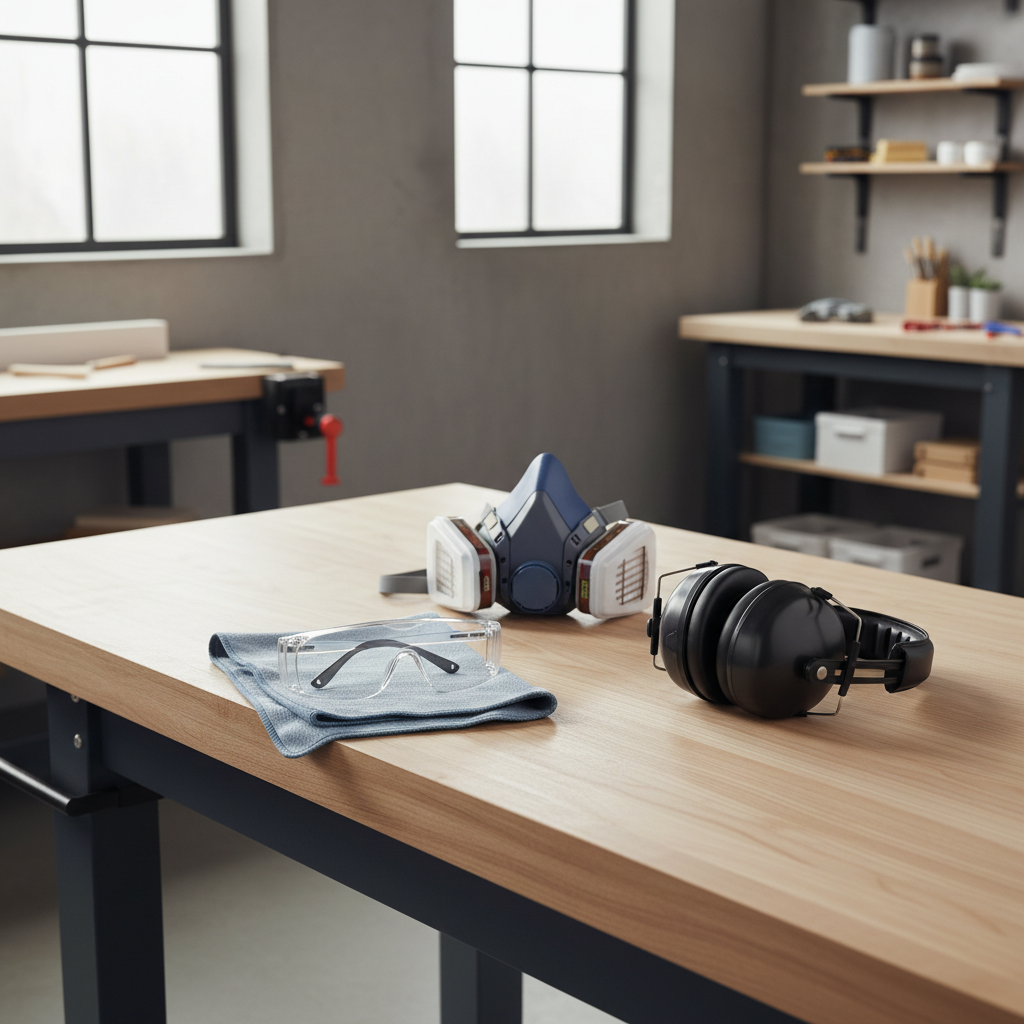
- Compatible with hearing protection: earmuffs can push temples outward and create side gaps; thinner temples often seal better.
- Plays well with respirators: if you get instant fog, consider better anti-fog, a different nose bridge, or a more vented frame.
- No pressure hotspots: pain behind ears or at the bridge turns into “I’ll just take them off for a second.”
Key point: if you wear prescription glasses, don’t assume your everyday frames qualify as protection. Many people end up happier with either prescription safety glasses or a comfortable over-glasses design.
Choosing the right type for your situation (table included)
Not everyone needs the same setup. A weekend DIYer building shelves has different demands than someone turning bowls on a lathe for hours.
| Scenario | What to prioritize | Suggested eyewear type |
|---|---|---|
| General power tools (saw, router, planer) | Z87+ impact, wrap coverage, comfort | Wraparound Z87+ safety glasses |
| Heavy sanding / MDF dust sensitivity | Dust sealing, anti-fog, ventilation balance | Gasketed safety glasses or vented goggles |
| Finishing with solvents / splash risk | Splash protection, seal, chemical compatibility | Chemical-rated goggles (often better than glasses) |
| Wearing prescription lenses | Clear optics, full coverage, stable fit | Prescription safety glasses or OTG safety glasses |
| Bright shop lighting / glare | Visual comfort without reducing visibility too much | Clear or light-tinted safety glasses (task-dependent) |
According to NIOSH, eye protection should be selected based on the hazard and should fit properly to be effective, which is obvious on paper and easy to ignore when you’re rushing a project.
Practical buying tips (so you don’t waste money)
There are plenty of “good enough” options, but a few details tend to separate glasses you keep from glasses you regret.
- Buy two pairs: one stays in the shop, one in the tool bag or near the garage door, so you’re not tempted to skip.
- Pick clear as your default: most woodworking benefits from maximum visibility; tint can be useful, but it’s easier to add later.
- Don’t cheap out on anti-fog if you mask up: fogging is the fastest route to “I can’t see, I’m taking these off.”
- Check return policy: fit is personal, and you often can’t tell from photos.
- Store them like you care: a microfiber bag or hard case reduces scratches, and scratched lenses cause eye strain fast.
Common mistakes that quietly reduce protection
A lot of eye injuries come from “mostly” wearing protection. These are the patterns that show up again and again.
- Using regular eyeglasses as safety eyewear: even if the lens is tough, coverage and impact rating may be missing.
- Ignoring side exposure: front impact gets attention, side entry is what sneaks up on people.
- Wearing scratched lenses too long: you compensate without noticing, especially around spinning cutters.
- Taking glasses off to see better: fog, glare, or poor optical clarity is a gear problem, not a “tough it out” problem.
- Assuming “one pair fits all”: finishing, grinding, and sanding often call for different protection.
If you’re unsure whether your eyewear is appropriate for a specific tool or chemical, it’s reasonable to check the product documentation and, in higher-risk workplaces, consult a safety professional.
Key takeaways and a simple next step
Choosing eyewear is less about chasing the fanciest model and more about picking something you’ll wear every time. If you remember only a few points, keep these close.
- Look for ANSI/ISEA Z87.1 marking, and in many woodworking cases Z87+ is the safer bet.
- Prioritize coverage, especially wraparound or strong side shields.
- Fit and anti-fog make compliance real, particularly with respirators and earmuffs.
- Match the task; sanding and finishing may justify goggles or gasketed options.
Your next step is simple: grab your current pair, find the marking, then do the side-gap and “look down” fit check. If either fails, upgrade before the next project, not after a close call.
FAQ
- Do I really need Z87+ for woodworking?
Many hobbyists do fine with Z87.1-rated eyewear, but for tools that throw chips at speed, Z87+ often provides extra confidence. If you’re doing routing, planing, or turning, it’s a reasonable default. - What’s better for woodworking: safety glasses or goggles?
For general cutting and drilling, safety glasses with good side coverage usually feel easier to wear. Goggles make more sense for heavy dust, overhead work, or splash-prone finishing, though they can fog if ventilation is poor. - How do I stop safety glasses from fogging with a respirator?
Start with anti-fog rated lenses and a frame that sits well on the nose. If fog persists, check respirator seal and exhalation direction, then consider more vented eyewear or a gasketed design designed to manage airflow. - Can I wear contact lenses while woodworking?
Many people do, but contacts don’t replace impact protection and can feel irritating in dusty environments. If dust bothers you, sealed eyewear or better dust collection can help, and an eye care professional can advise if you have sensitivity. - Are tinted safety glasses a good idea in the shop?
Sometimes. Light tint can reduce glare under harsh LEDs or bright doors/windows, but darker tints can hide layout lines and blade position in low light. Clear is the safest all-around choice for many shops. - What should I look for if I need prescription safety eyewear?
Look for ANSI-rated prescription safety options and a frame that provides side protection. Many users find dedicated prescription safety glasses more comfortable than wearing bulky over-glasses all day.
If you’re trying to standardize a small shop setup, or you want a quick shortlist that fits respirators and hearing protection without the usual trial-and-error, it may help to compare a few ANSI-rated models side-by-side and choose one “daily driver” pair plus a dust-focused backup.