
A spark plug socket set is one of those “small” purchases that can make routine tune-ups feel either smooth and controlled, or like a knuckle-busting guessing game.
If you’ve ever rounded a plug hex, cracked the ceramic, or fought a plug that sits deep under a coil pack, you already know the problem: normal sockets don’t always fit right, and the wrong fit turns a simple job into avoidable risk.
This guide breaks down what to look for in a set, how to match it to your engine, and how to use it safely so you can get reliable installs without over-torquing or cross-threading.
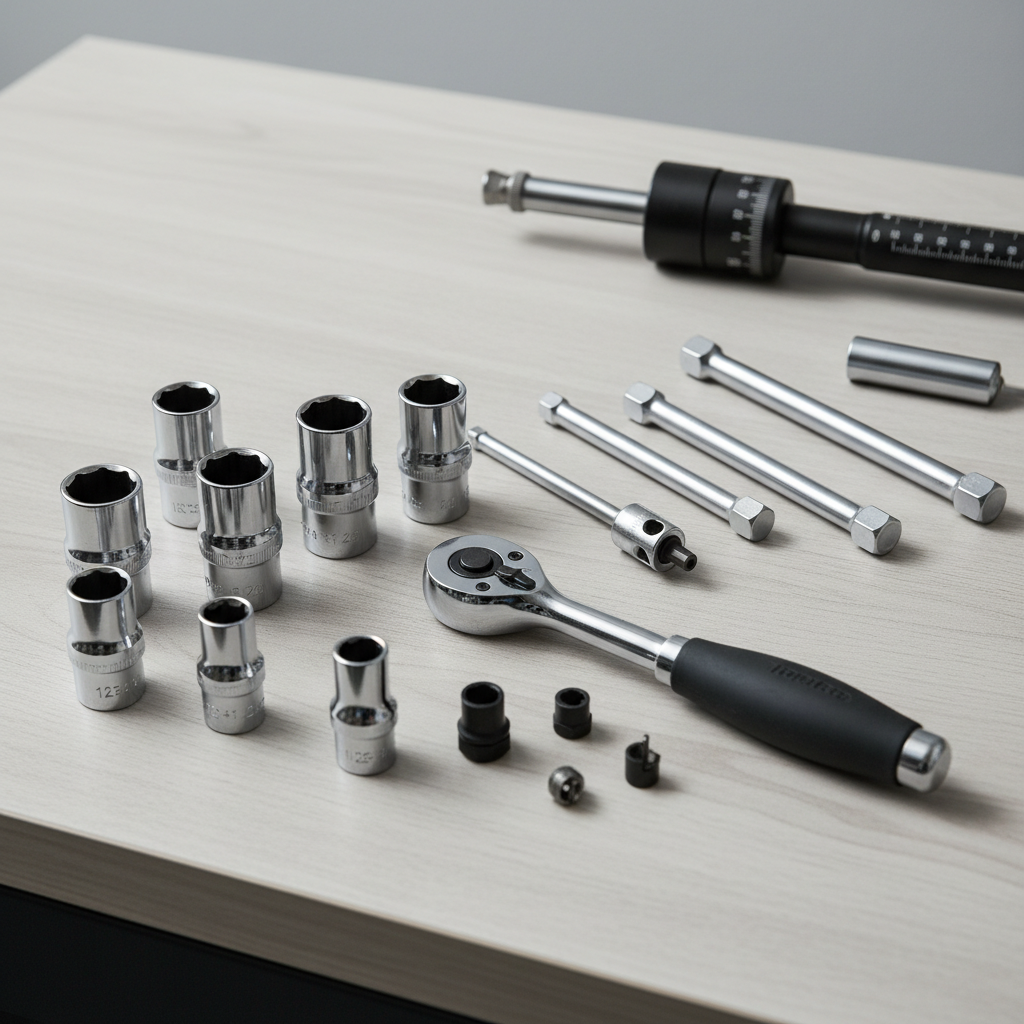
What a Spark Plug Socket Set Actually Does (and Why It Matters)
A spark plug socket looks similar to a standard deep socket, but it’s built to grip the plug securely and protect the porcelain insulator during removal and installation.
- Retention insert: Often rubber or foam, helps “hold” the plug so it doesn’t drop into the plug well.
- Thinner walls: Many modern engines have tight access, especially around coil-on-plug setups.
- Consistent engagement: A better match reduces wobble, lowering the chance of rounding the hex.
According to SAE International..., correct tool fit and proper torque practices help reduce fastener and thread damage during service. In real life, that translates to fewer expensive mistakes on aluminum cylinder heads.
Common Reasons People Buy the Wrong Set
Most frustration comes from assuming “a socket is a socket.” Spark plugs are a little pickier than that, and access varies wildly by vehicle.
- Wrong drive size: Buying 3/8-inch drive tools when your tight access really wants a 1/4-inch setup, or vice versa.
- Missing the common plug size: Many vehicles use 5/8" or 13/16", but some late-model engines use thinner 14 mm or 12 mm spark plug hex sizes that need specialty sockets.
- Insert type mismatch: Rubber inserts hold well but can wear; magnetic sockets can be great but sometimes struggle if the plug sits at an angle or clearance is tight.
- No extension strategy: A set without usable extensions and a wobble option can stall the job even if the socket fits.

Quick Self-Check: What Set Do You Need?
Before you buy, do a fast reality check based on your engine layout and what you actually plan to service.
Answer these before checkout
- Is your plug access open (older engines) or deep in a plug tube (many newer engines)?
- Do you know your plug hex size, or are you guessing? If you’re guessing, plan for a broader kit.
- Do you have a torque wrench that matches the drive size you’ll use?
- Will you work on more than one vehicle (family cars, small fleet, side jobs)?
A simple fit guide (typical, not universal)
| Situation | What to prioritize | Why it helps |
|---|---|---|
| Deep plug wells, coil-on-plug | Thin-wall sockets, 6-point, extensions + wobble | Better access, less rounding risk |
| Older engines, easy access | Standard spark plug sockets + basic extension | Cost-effective, fewer clearance issues |
| Mixed vehicles in the garage | Multi-size kit (incl. 5/8", 13/16", and specialty) | Covers more plug types without re-buying |
| DIY tune-ups a few times per year | Quality socket + one good extension | Reliability matters more than “huge” counts |
What to Look for in a Good Spark Plug Socket Set
If you want to keep it simple, aim for a set that solves fit, access, and control. Everything else is bonus.
- 6-point sockets over 12-point: more contact area on the plug hex, often safer on stuck plugs.
- Thin-wall design: especially helpful on late-model engines with tight plug tubes.
- Retention style you trust: rubber/foam insert for gentle holding, magnetic for quick in-and-out; both can work, but clearance can decide.
- Clear size markings: you don’t want to “eyeball” sockets mid-job.
- Useful accessories: 3" and 6" extensions, a wobble extension, and a universal joint can save the day.
Key point: A smaller, higher-quality spark plug socket set often beats a giant kit where the one socket you need has thick walls or sloppy tolerances.
How to Use a Spark Plug Socket Set Without Breaking Anything
A careful process matters more than muscle. Many plug issues happen during the first turn, or the last turn.
Removal steps (DIY-friendly)
- Work on a cool engine in most cases, especially with aluminum heads, unless your service manual specifies otherwise.
- Blow out debris around the plug well if you can, dirt falling into the cylinder is the kind of “small” mistake that becomes a big one.
- Use the spark plug socket with an extension so the socket sits square, then apply steady force.
- If it feels stuck, stop and reassess rather than forcing it. A penetrating oil approach may help in some situations, but follow product guidance and use caution around ignition components.
Install steps (where threads get damaged)
- Start by hand using the extension only, no ratchet at first. You’re checking for smooth threading.
- Tighten to spec with a torque wrench when possible. According to NGK Spark Plugs..., correct tightening methods help ensure proper heat transfer and reduce the risk of plug damage.
- If you don’t have torque specs, don’t “guess hard.” Many plugs use crush washers and have turn-angle guidance, but this is vehicle- and plug-specific, so confirm with the plug maker or service info.

Mistakes That Cost More Than the Tool
You can do everything “almost right” and still create a headache. These are the repeat offenders.
- Using a standard deep socket: it can slip, crack the insulator, or drop the plug into the well.
- Over-torquing: can strip threads in aluminum heads or distort the plug seat, repairs can get expensive fast.
- Cross-threading: usually happens when the plug doesn’t start smoothly by hand.
- Ignoring coil boot condition: torn boots or missing dielectric grease (when recommended) can cause misfires later.
- Chasing “universal” fit: some engines require thin-wall or specialty sizes; forcing a thick socket is a dead end.
When to Stop DIY and Get Help
There’s no shame in tapping out early. In some cases it’s the cheaper decision.
- The plug feels seized and you’re worried about it snapping, broken plugs can require specialized extraction tools.
- You see damaged threads, or the plug won’t tighten to a normal feel, a professional may suggest thread repair options.
- Misfire continues after replacement, diagnosis might involve ignition coils, injectors, compression, or sensors.
- Your engine layout makes access extreme, some vehicles require intake removal or additional disassembly, and mistakes can snowball.
If you’re uncertain about torque specs or plug type, it’s reasonable to consult a service manual or a qualified technician, especially on high-mileage engines.
Conclusion: Picking a Set You’ll Actually Use
A spark plug socket set earns its keep when it matches your engine’s access and gives you control, not when it simply has the most pieces. If you do one thing today, confirm your plug size and check whether your engine needs thin-wall sockets, that single detail drives most “it doesn’t fit” frustration.
If you’re planning a tune-up soon, lay out the socket, extension, and torque approach before you pull the first coil, it keeps the job calm and reduces the chance of thread damage.
FAQ
What sizes should a spark plug socket set include for most cars?
Many vehicles commonly use 5/8" and 13/16", but plenty of newer engines use specialty hex sizes. If you maintain more than one vehicle, a broader kit reduces guesswork.
Is a magnetic spark plug socket better than a rubber insert?
It depends on access and preference. Magnetic retention can feel quick and clean, while rubber inserts tend to protect the ceramic well, but inserts can wear over time.
Do I really need a thin-wall spark plug socket?
If your plugs sit deep in narrow tubes, thin-wall matters a lot. If access is open and roomy, you may not notice a difference, but tight modern engine bays often do.
Can I remove spark plugs with a regular deep socket?
Sometimes you can, but it’s a common way to crack porcelain or lose control of the plug in a deep well. A purpose-built socket is usually the safer, less frustrating tool choice.
Should I use a torque wrench when installing spark plugs?
In many cases, yes, especially with aluminum heads where thread damage is a real risk. If you can’t torque, follow the plug manufacturer’s guidance closely and avoid “tight as possible.”
Why does my socket get stuck on the spark plug?
It can happen if the insert grips too hard, or if the plug well is tight and the socket rubs. Pulling straight and using a different retention style often solves it.
What drive size is best: 3/8" or 1/4"?
3/8" is common for general DIY work, while 1/4" can feel easier in tight spaces with smaller torque ranges. Your access, extensions, and torque wrench compatibility usually decide.
If you’re shopping because your last plug job felt cramped, inconsistent, or risky, choosing a spark plug socket set with thin-wall sockets and a couple of well-chosen extensions is often the most “no drama” upgrade, and it’s still simple enough to justify for a home garage.