
Tape measure self locking models solve a pretty specific frustration, you extend the blade to your mark, glance away for one second, and the tape creeps back before you can read it cleanly. If you measure alone, work overhead, or bounce between quick repeat cuts, that small slip turns into real errors and wasted time.
The appeal is simple: a self-locking mechanism holds the blade in place automatically, so your reading stays stable while you square up a pencil, align a hook, or confirm fractions. It sounds minor, but in trim work, cabinetry, HVAC layouts, even hanging shelves, it can be the difference between “close enough” and “why doesn’t this fit.”
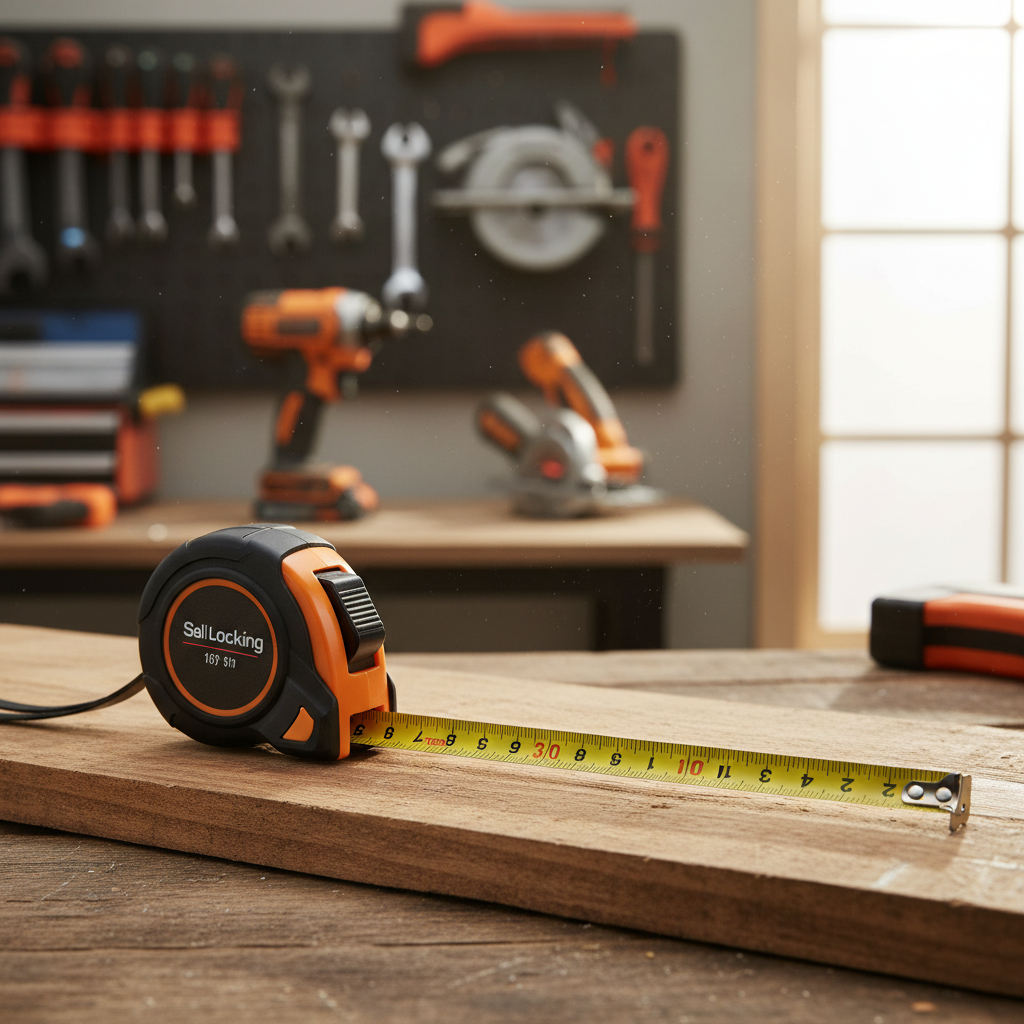
One quick misconception: “self-locking” doesn’t mean you never retract the tape yourself. It usually means the tape locks by default and you press a button or lever to retract smoothly. The best ones feel predictable, the frustrating ones either creep anyway or retract too aggressively when you release.
What “self-locking” really means (and why it reads easier)
A self-locking tape typically uses an internal brake that grips the blade as it extends. In practice, that gives you two benefits: the blade stops where you leave it, and the printed graduations stay in the same place long enough to confirm your mark.
- Automatic hold: you don’t have to keep a thumb on a lock switch the entire time.
- Less “micro-slide”: those tiny rollbacks that turn 15 7/8 into “maybe 15 13/16” happen less often.
- Better one-person measuring: especially when your other hand is holding stock, a level, or a pencil.
According to OSHA, measuring and layout tasks fall under general jobsite safety concerns, and any tool behavior that reduces sudden snap-back can lower the chance of minor hand injuries. It’s not a guarantee, but controlled retraction usually feels safer and calmer.
Why tapes slip back: the real-world causes
Even if you already own a lockable tape, slip-back is common. Most cases come down to a few predictable issues, not user error.
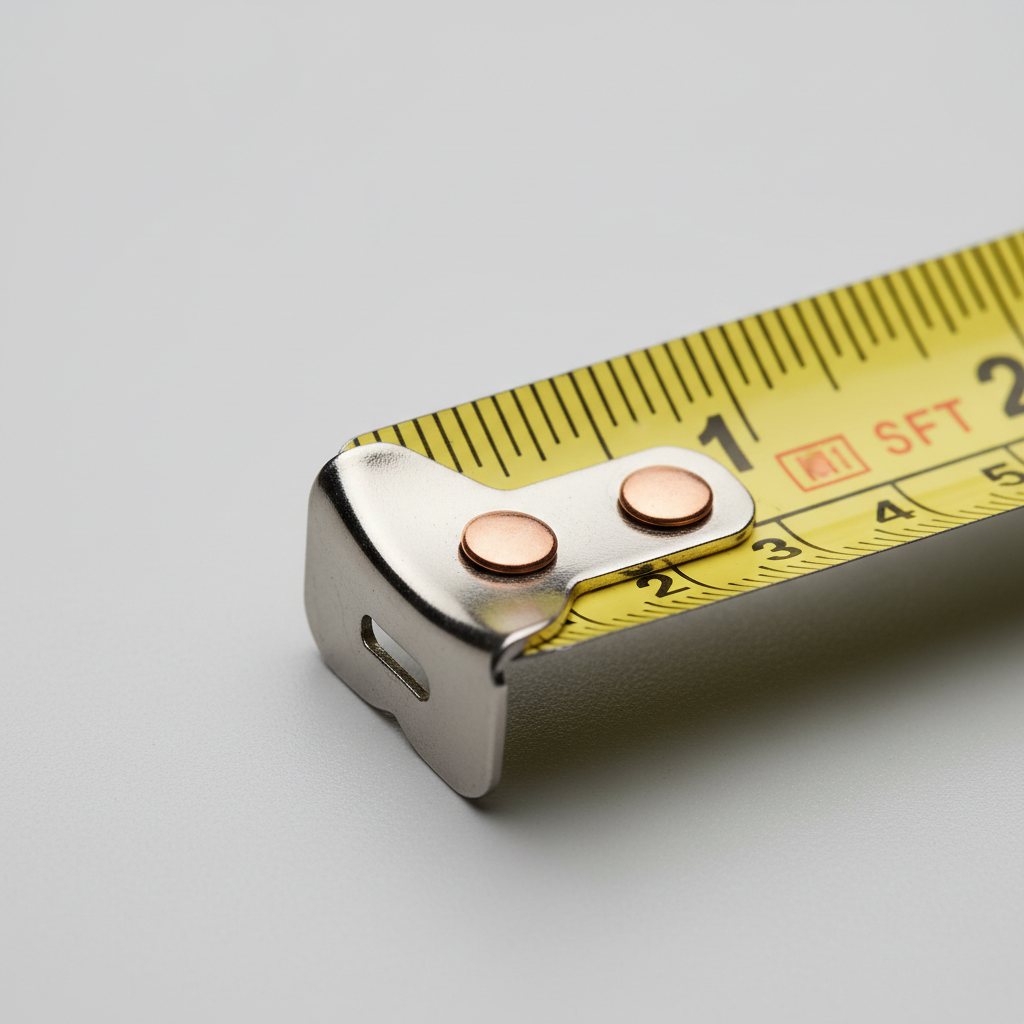
Worn hook or loose rivets
The end hook is designed with a bit of play to account for inside and outside measurements, but excessive wobble can shift your reading. If the hook rattles like it’s tired, it probably is.
Weak or inconsistent lock mechanism
Traditional locks depend on you engaging them firmly. If the lock is halfway or the internal pad is worn, the blade can creep while you read.
Blade “memory” and curvature
Wide blades with strong standout curve tend to behave better. Narrower, softer blades can flex, twist, or sag, which makes you re-check the number.
Fast retraction habits
Letting a tape whip back trains the spring, chews up the hook, and can bend the blade edge. Lots of “my tape won’t lock well” complaints start here.
Quick self-check: do you actually need a self-locking tape?
If you’re on the fence, run through this short checklist. If you tick two or more, a tape measure self locking design usually feels like an upgrade, not a gimmick.
- You measure solo more than half the time, especially long spans.
- You do repeated transfer marks and want the number to stay visible.
- You work on ladders or overhead, where repositioning hands is awkward.
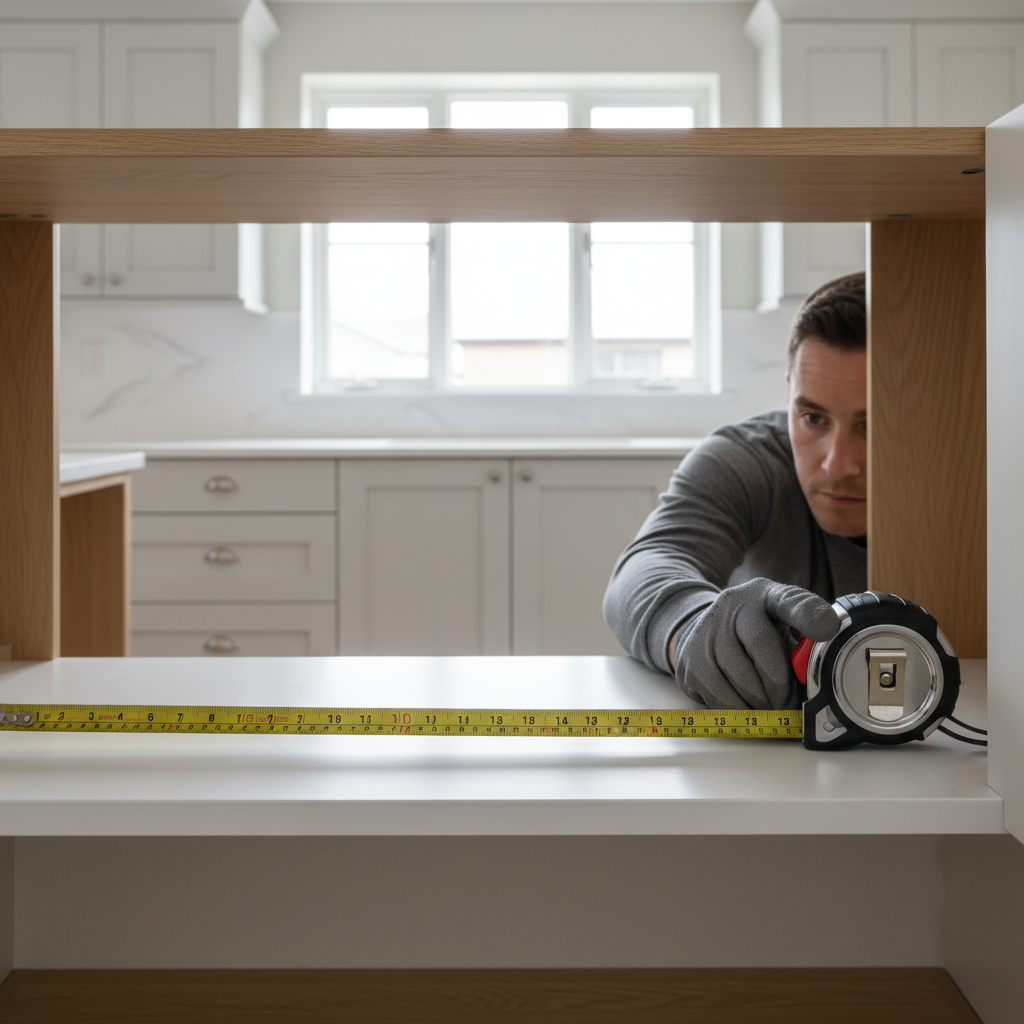
- You frequently measure inside corners (cabinets, alcoves, studs) and need stability.
- You’ve replaced tapes mainly due to broken return springs or bent blades.
If you mostly do quick “rough carpentry” cuts with plenty of tolerance, a standard lockable tape can still be fine. The self-locking advantage shows up when precision and repeatability matter.
Choosing the right self-locking tape: what matters most
Not all self-locking tapes feel the same. The mechanism is only part of the story, the blade and readability features matter just as much.
Key buying factors (practical, not marketing)
- Readability: high-contrast printing, clear fraction marks, and a matte blade finish help under harsh shop lights.
- Blade width and standout: wider blades tend to stand farther without collapsing, which reduces re-measuring.
- Retraction control: look for smooth, controllable return, not a spring that “slams.”
- Hook quality: solid rivets, clean edges, and predictable movement.
- Case ergonomics: a shape that sits well in your palm matters if you measure all day.
- Length choice: 16–25 ft fits many DIY and light pro jobs, longer tapes add bulk and can be harder to control.
Comparison table: self-locking vs traditional lock vs auto-retract
| Type | How it holds position | Best for | Common downside |
|---|---|---|---|
| Self-locking | Locks by default when extended | Solo measuring, repeat marks, easy reading | Some models retract abruptly when released |
| Traditional lock | You slide/press a lock to clamp blade | General use, occasional precision | Easy to forget to lock, blade can creep |
| Auto-retract (trigger return) | Held until you trigger retraction | Fast paced measuring in tight spaces | More moving parts, can feel “twitchy” |
How to measure faster (and cleaner) with a self-locking tape
A self-locking tape is easiest to love when you pair it with a consistent measuring routine. This is where the “easy reading” promise becomes real.
A simple workflow for repeatable marks
- Extend past your target by an inch or two, then ease back to the exact mark so the blade tension stays consistent.
- Keep the blade flat against the surface, if it twists, your eye reads the wrong line.
- For repeated cuts, call out the fraction to yourself and write it down, memory is where accuracy goes to die.
- When measuring inside corners, use the case length feature if your tape has it, but verify the case length once and note it.
Key point: self-locking helps the blade stay put, but your eyes still need a square view. If you read at an angle, parallax can create small but annoying mistakes.
Common mistakes that cancel out the benefits
People buy a nicer tape and still get inconsistent results, usually for a few very fixable reasons.
- Letting it snap back: even with controlled retraction, forcing the return stresses the spring and hook.
- Ignoring hook damage: a bent hook can throw off both inside and outside measurements, even if the lock feels great.
- Measuring off a rough edge: drywall corners, chipped studs, and warped boards can “move” your reference point.
- Assuming the print is perfect: most reputable brands are consistent, but if your work is high-precision, cross-check with a known standard rule.
- Using one tape across a team: mixing tapes on the same project can cause tiny differences that stack up, many crews standardize for a reason.
When to repair, replace, or ask for help
If your tape measure self locking tool starts slipping or the blade won’t stay stable, you can troubleshoot a bit, but there’s a limit.
- Replace if the blade kinks, the hook bends, or the return spring feels rough, those issues tend to get worse.
- Clean if the lock area feels gritty, dust and adhesive residue can interfere with the brake.
- Ask a pro if measurements impact safety or code, for example, structural framing, stair layout, or gas appliance clearances. In those cases, it’s smart to consult a qualified contractor or inspector rather than “tape-and-hope.”
According to NIST, measurement traceability matters when accuracy is critical. For everyday construction, you don’t need lab-grade calibration, but you do want consistent tools and a method you trust.
Conclusion: the upgrade is small, the payoff can be real
If your tape keeps drifting while you read, a self-locking mechanism is one of those quality-of-life upgrades that quickly becomes your default. Pick a model with clear markings, controlled retraction, and a solid hook, then use it gently so it stays accurate longer.
If you want a practical next step, bring your current tape to the store, compare hook play, readability, and how stable the blade feels at 6–8 feet, that quick test usually tells you more than packaging claims.
FAQ
What is a tape measure self locking mechanism?
It’s a design where the blade tends to hold position automatically when you extend it, so you can read the mark without manually engaging a separate lock each time.
Are self-locking tape measures more accurate?
They’re not automatically “more accurate” by themselves, but they can be easier to read consistently because the blade doesn’t creep back while you’re checking the number.
Why does my self-locking tape still slide sometimes?
Common causes include dust in the brake area, a worn internal pad, or a hook that’s loose enough to feel like slip. If it’s new and still slips, it may be a weaker mechanism by design.
Is self-locking safer than a standard tape?
Often it feels safer because retraction can be more controlled, but any tape can still snap back if you let it. If you’ve had hand injuries or work around others, slower retraction habits help.
What length should I buy for home projects?
Many DIYers do well with 16 ft or 25 ft. If you rarely measure long spans, shorter can be lighter and easier to control, especially with a self-locking brake.
Do self-locking tapes work well for inside measurements?
Yes, especially when you’re bracing against a cabinet wall or stud bay and want the reading to stay visible. Just confirm the hook sits flat and the case isn’t skewed.
How do I keep the lock mechanism working longer?
Avoid snap-back, keep the blade reasonably clean, and don’t store it wet. If it gets gritty, a careful wipe-down helps, forcing the lock usually makes it worse.
If you’re measuring alone a lot, doing repeat cuts, or you’re simply tired of numbers drifting right before you mark, a self-locking tape is worth trying. If you’d rather skip guesswork, shortlist two or three with strong readability and controlled retraction, then pick the one that feels stable in your hand at mid-extension.